Maize Protection
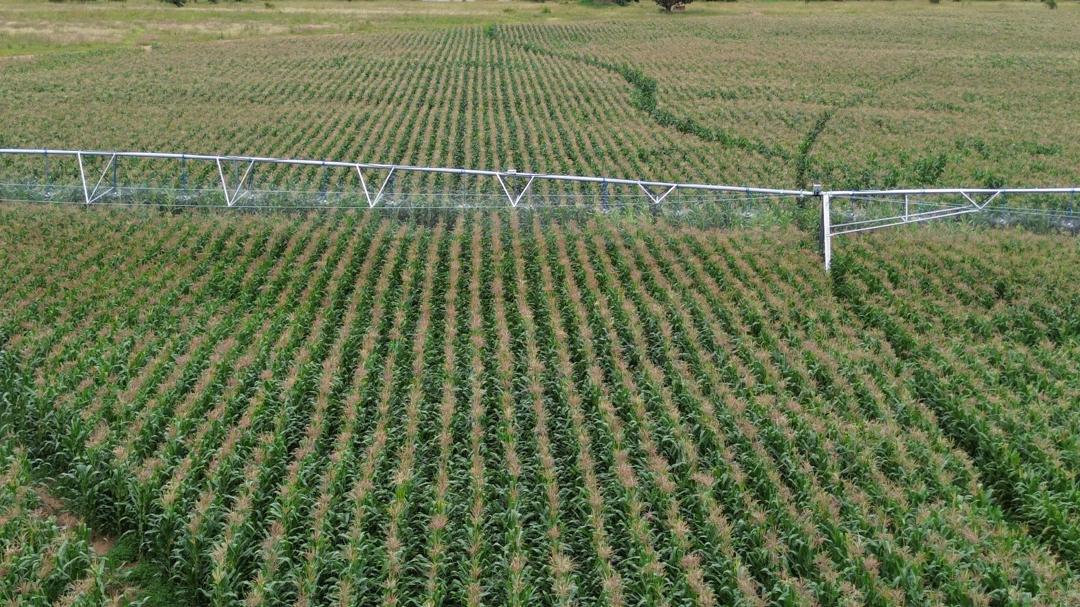
It is the time of season now in January when maize is close to or has reached reproductive stage. Now as the plant changes from vegetative to reproductive it becomes vulnerable to Fungal and Bacterial diseases. There this a lot that we need to be concerned about, for example: Northern Corn Leaf Blight, Grey Leaf Spot, Phaesosphaeria Leaf Spot, Northern Corn Leaf Spot, Physoderma brown spot, Common rust, Eyespot and Southern rust.
Most fungal and bacterial diseases overwinter in crop residues and spores form when exposed to moisture and warm weather. But others are wind borne carried in with Northern winds. Disease outbreaks are often well distributed throughout the field and leaf Necrosis of the leaf tissue can lead to yield loss and can be severe if not remedied.
Check for early signs on the leaves and monitor more frequently once the crop canopy has closed over.
It is always a good practice to take a curative action, and the application of a good broad-spectrum fungicide that contains Azoxystrobin and Propiconazole, and good insecticide that contains Chlorantraniliprole or Cyantraniliprole plus add to this a Neonicotinoid (Imidacloprid), it will give some residual control of Aphids. If the current wet conditions continue, it will be money well spent. Try to apply just before or at tasseling stage. Never forget that adding a little Boron in the mix (pre flowering) helps the pollen tube formation for improved Pollination.
Watch for FAW even on the silks, despite the damage to the silks they will chew their way down into the cob eating the young seed as they go. Other secondary infections will follow where they have been feeding.
Always keep your fields weed, disease and insect free to ensure your crop has the best chance to give you back its best yield potential.