Priming Your Late Crop
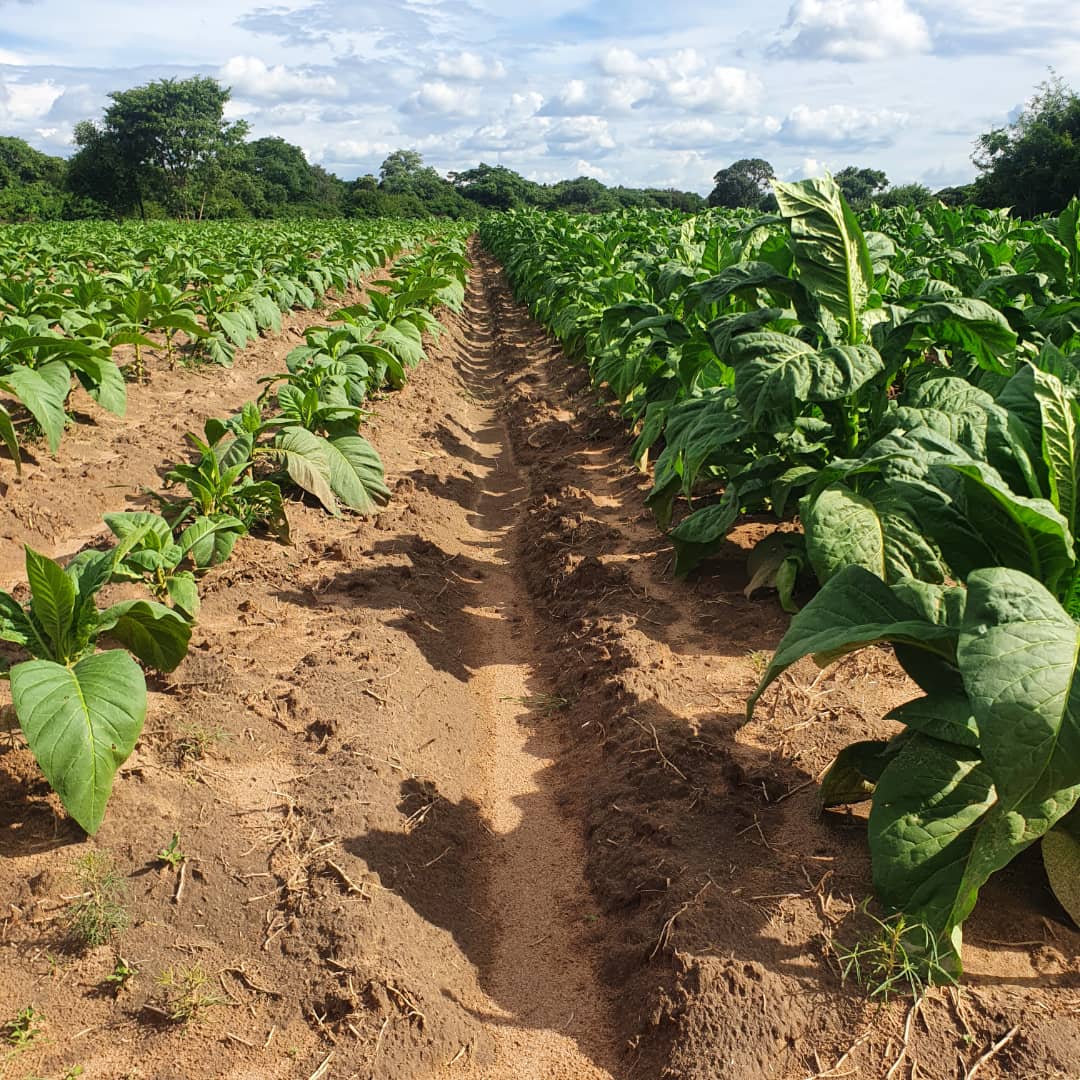
Priming your late crop is a useful tool to slow your late crop down to avoid a clash with your early crop.
- Priming significantly slows down the growth of the crop and will delay the need to reap your late planting giving more time to finish reaping the early crop.
- It will also reduce the chance of early fungi spreading from the bottom leaves that have been removed to the upper leaves reducing disease.
- Priming early has little effect on leaf grades as you will find the leaves left end up looking like a priming or lug.
Avoid priming when there is rain around as this will increase the chance of disease getting into the wounds of the primed leaves.
When priming always leave the same number of leaves on the plant (i.e. the heart plus 2) as this will slow the bigger plants down giving the smaller plants a chance to catch up helping evening off the crop.
Prime when most of the crop is at 8 to 10 leaves.
Do not prime a crop later than first week of December as this will reduce the crops potential yield.
It is normal practice to give a small additional amount of fertilizer to the primed crop to make up for the fertilizer already taken up by the leaves removed, normally a 2 cup of Ammonium Nitrate or 5 cup of Calcium Nitrate or Kyno Top Dress (20.10.10)
Spray with a bactericide like Kasugamycin after priming to reduce the chances of bacterial infection on the wounds from priming.
The picture is of a crop where a farmer stopped pruning his crop due to early rain. You can see the difference in size of the crop, which was planted at the same time, where he had pruned and where he hadn’t pruned.