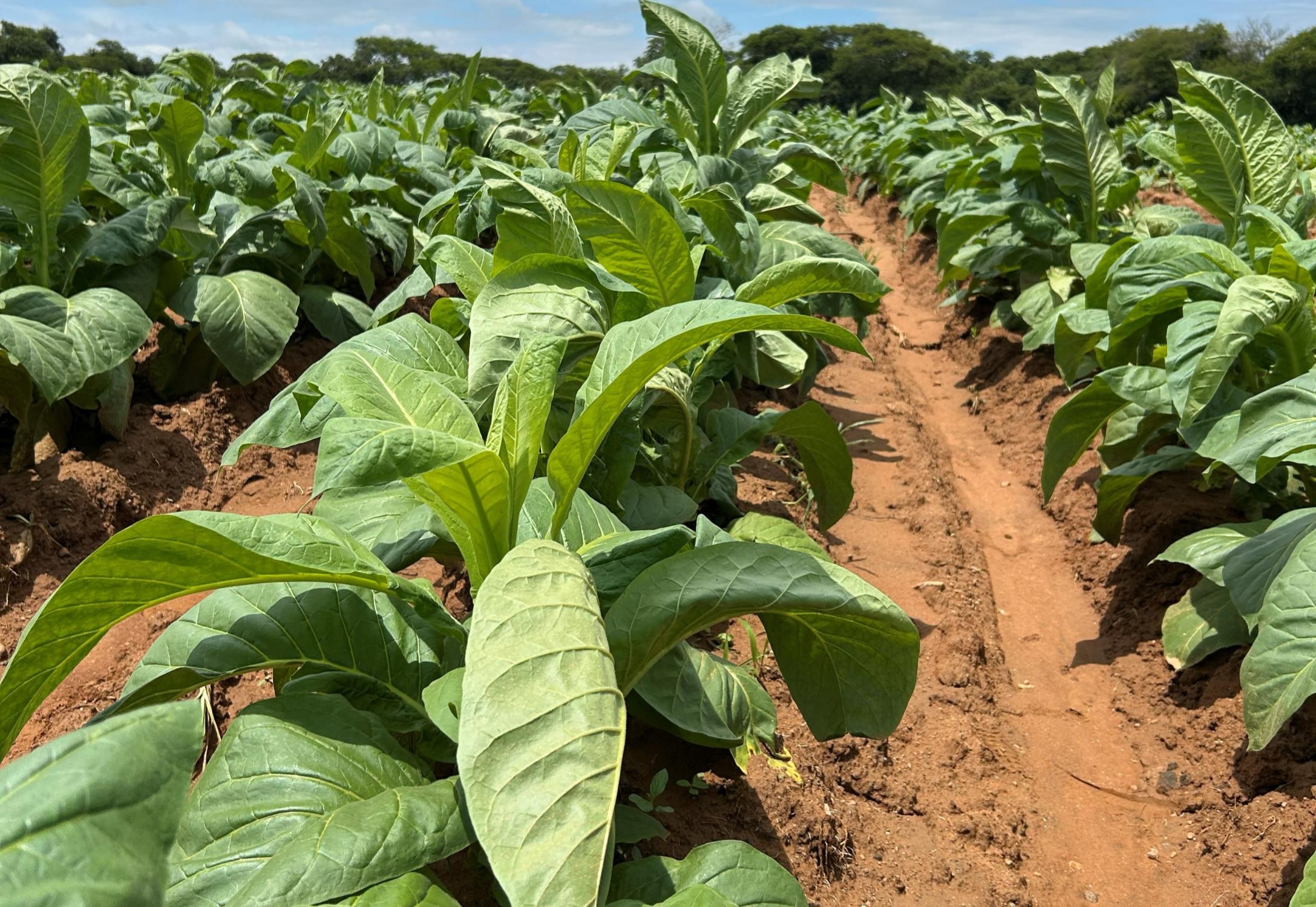
Trial at a Glance
- Farmer
- Mr Bvundura
- Location
- Karoi
- Planted
- 19 November 2025
- Trial Rows
- 3 treatment rows + control
Trial Overview
The Mashonaland Tobacco Company packs were used throughout this farmer’s fields. The trial set three rows against the standard programme to answer three questions — how the crop’s roots develop, whether nematodes and insects take hold, and how the treated rows compare with the control.
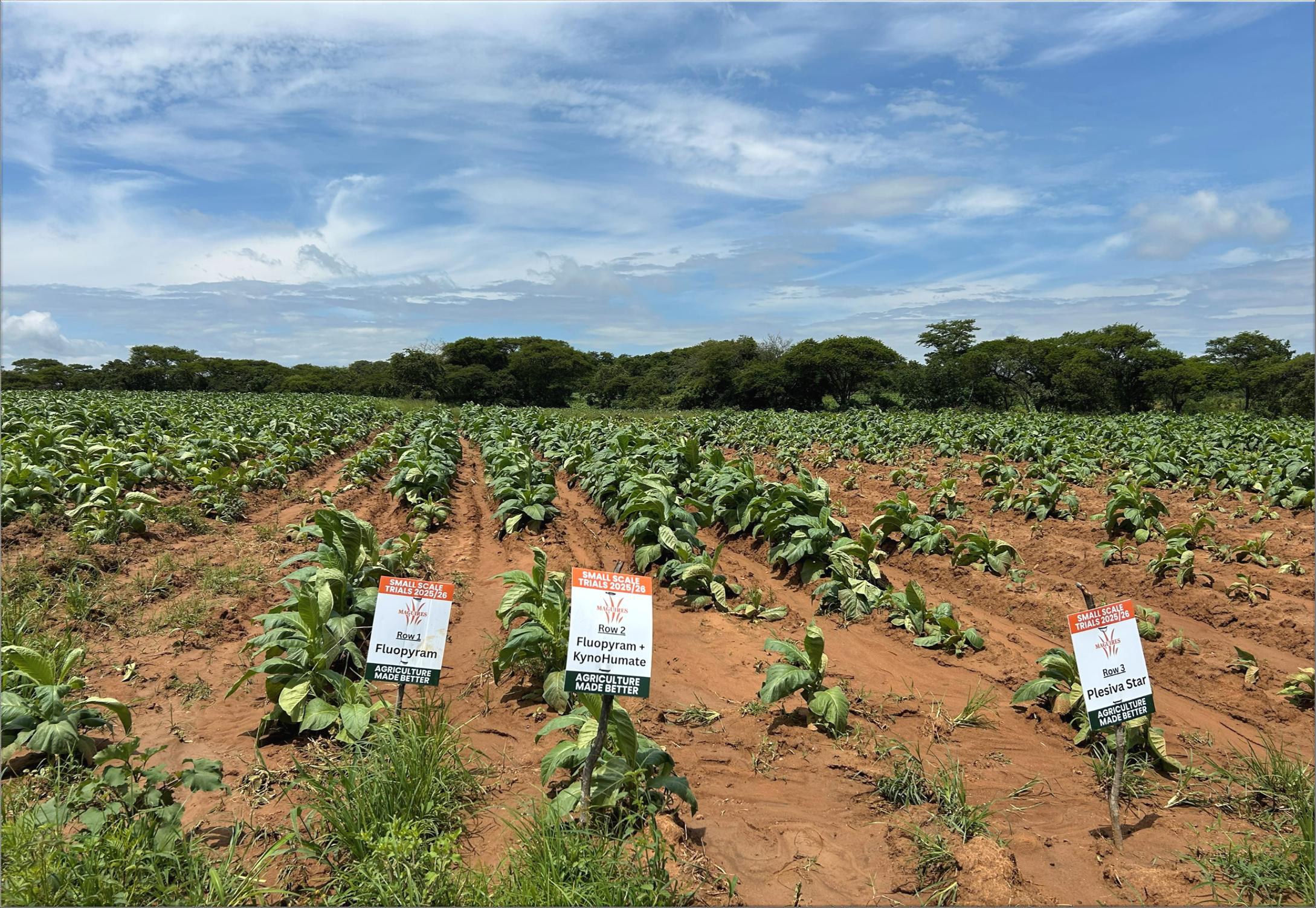
- Row 1 — Fluopyram (23 mL) + Kyno-Humate (125 mL) in 10 L of water; the primary nematicide paired with our root bio-stimulant
- Row 2 — Fluopyram (23 mL) in 10 L of water; the primary nematicide on its own, understudy
- Row 3 — Plesiva Star (0.6 g) in 10 L of water, substituting the primary insecticide Imidacloprid
Each row carried 80 plants, with a 30 mL cup of the relevant solution added to every planting hole.
The Season, Step by Step
The rows were followed from planting in November 2025 through root sampling and on to harvest.
19 November 2025
Planting day
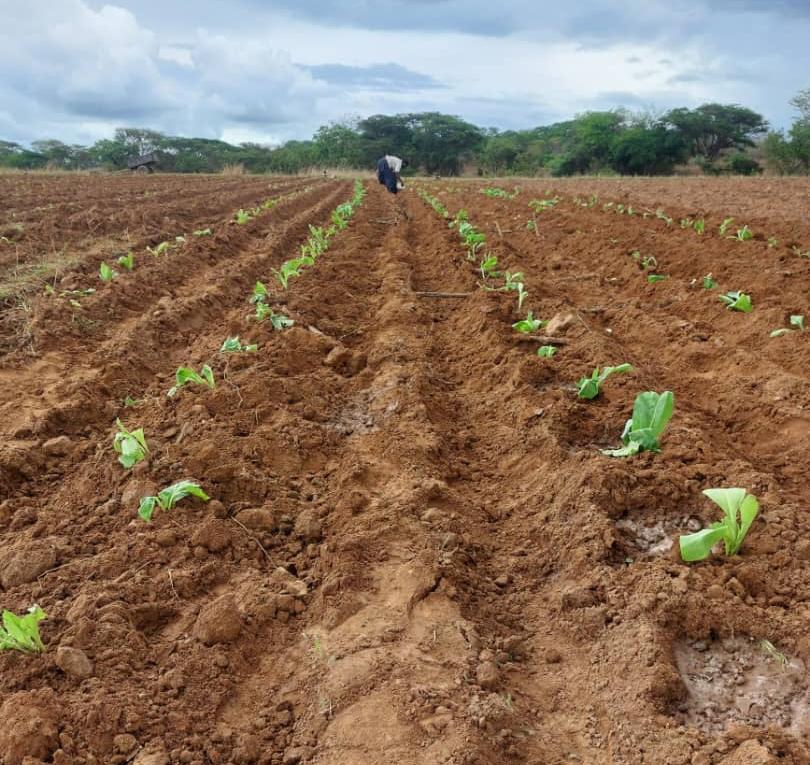
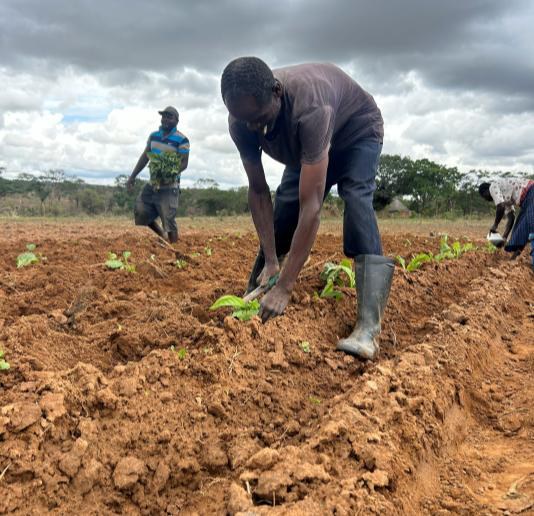
It rained on planting day. Old maize stalks were left in the lands, but insect presence was low. Soil moisture was low, so moisture-enhancing practices were implemented at planting. A 30 mL cup of each row’s solution was added to every planting hole, with 80 plants per row.
12 December 2025
First visit — trial versus control
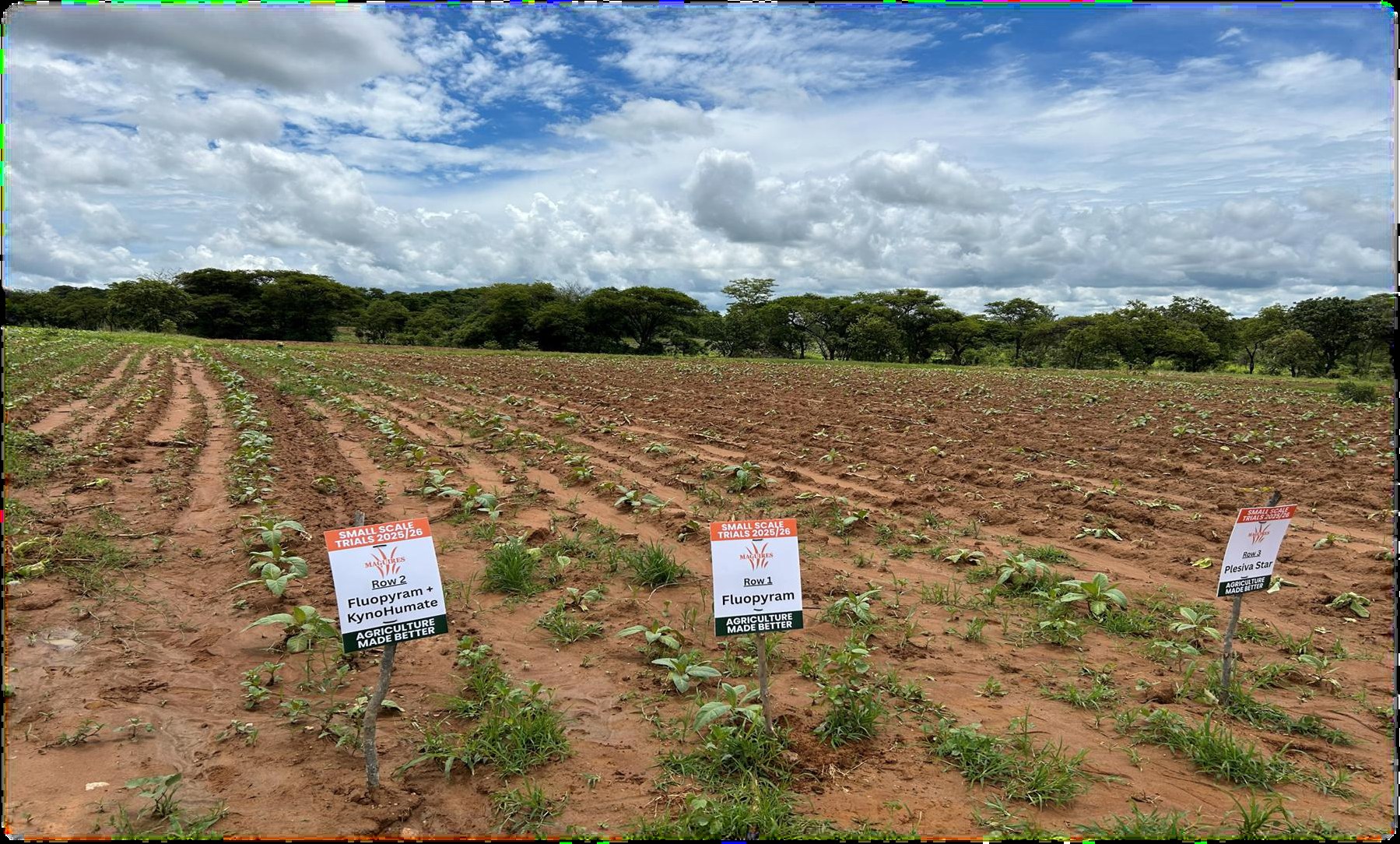
There is a visible difference between the control row on the right of the image and the trial rows on the left. All the plants in the trial rows have taken and are looking healthy, while there have been plant deaths in the control area, where the plants appear stressed and less established. Weeds were visible in both the trial and control areas.
18 December 2025
The treatments side by side
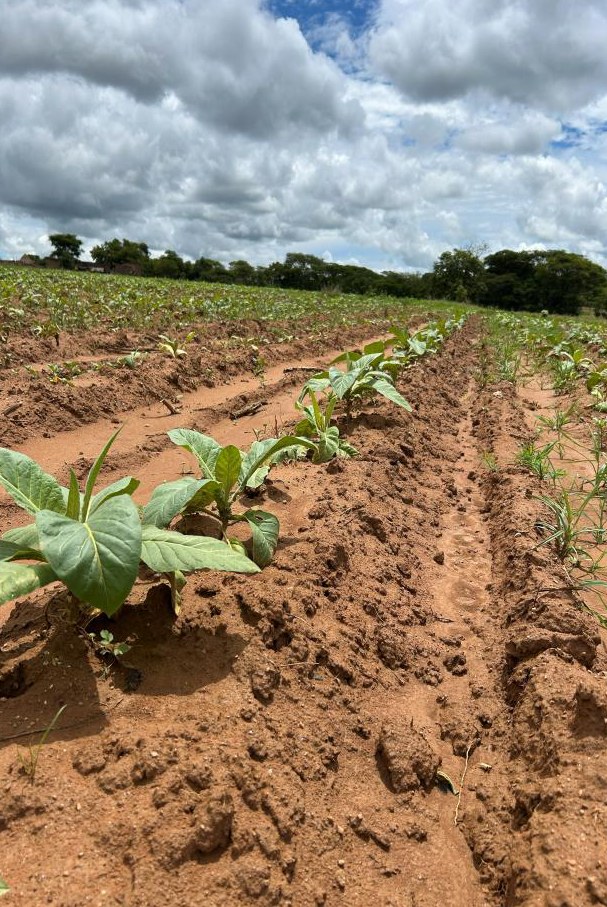
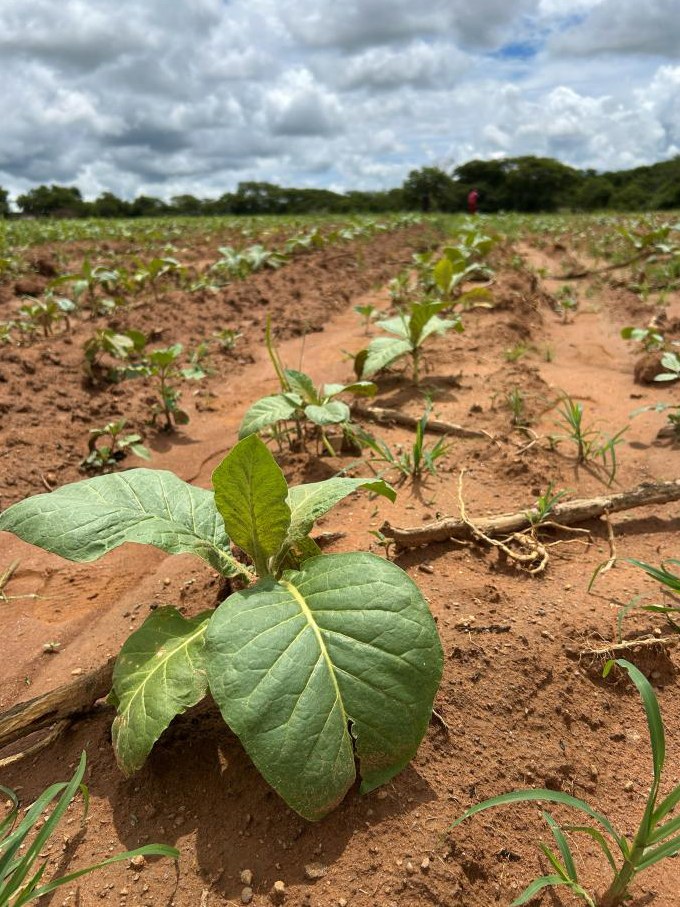
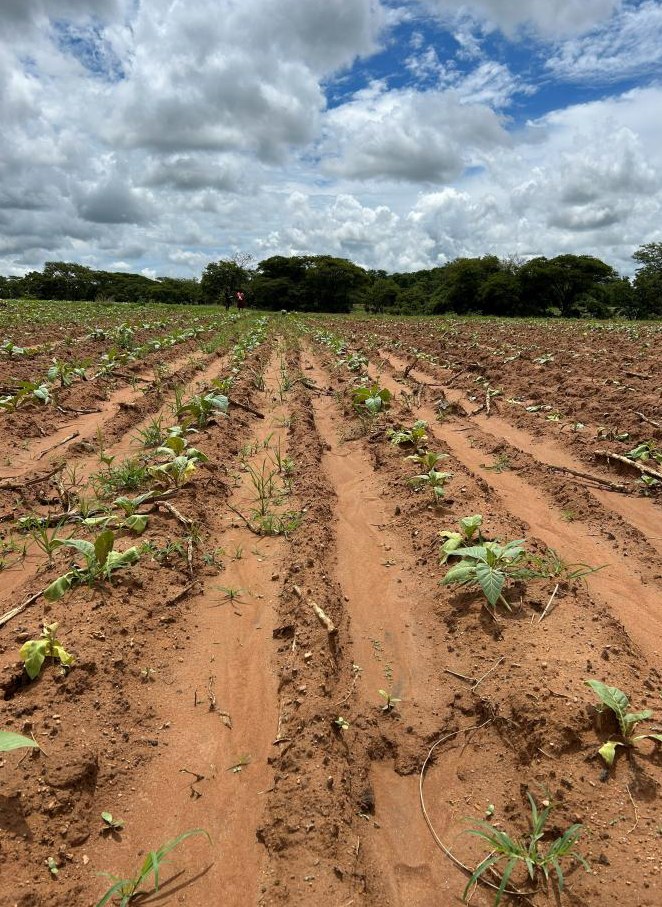
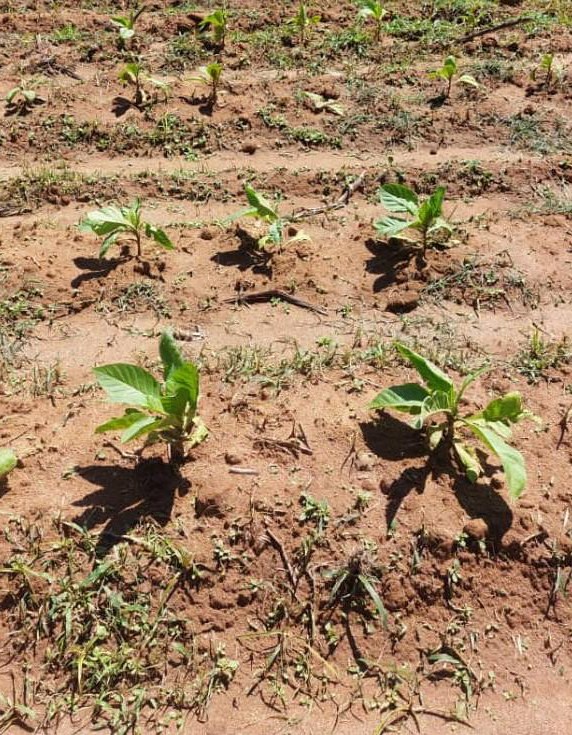
The four rows compared, left to right: Fluopyram + Kyno-Humate, Fluopyram alone, Plesiva Star, and the control. The treated rows are noticeably more even and better established than the control.
8 January 2026
Second visit — the trial area
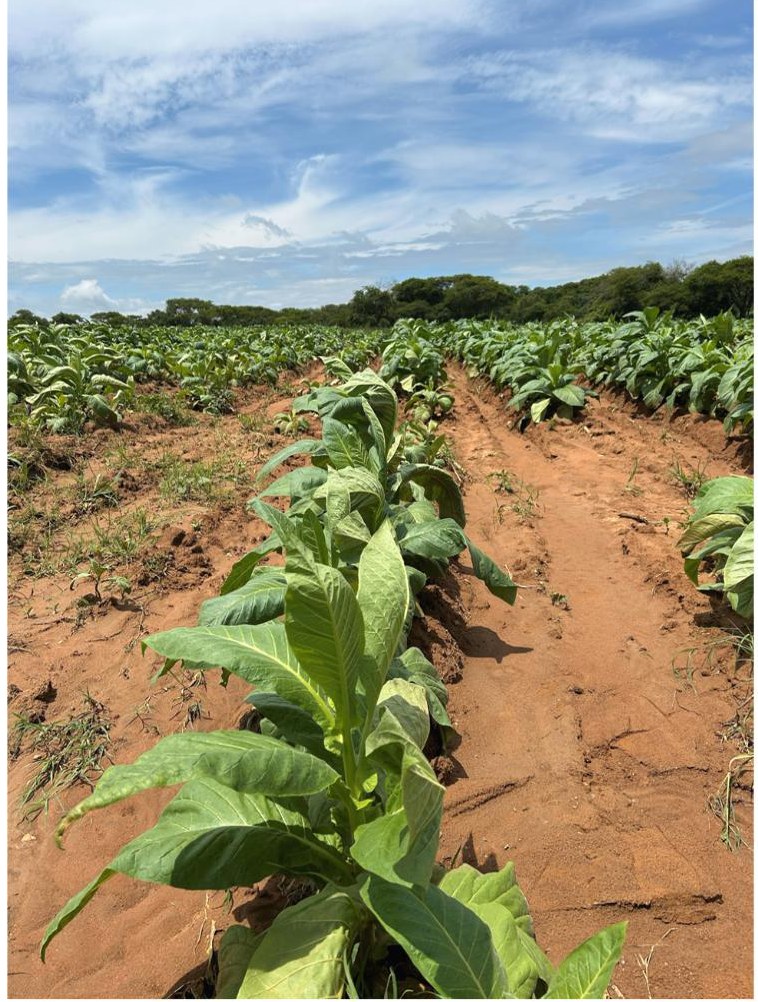
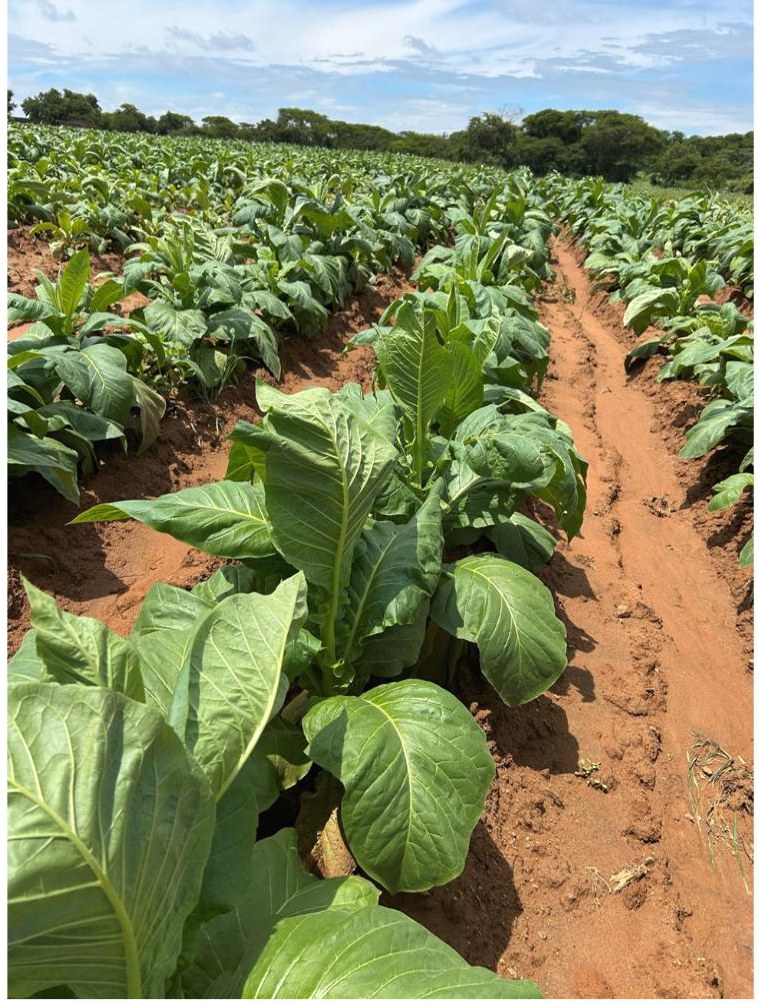
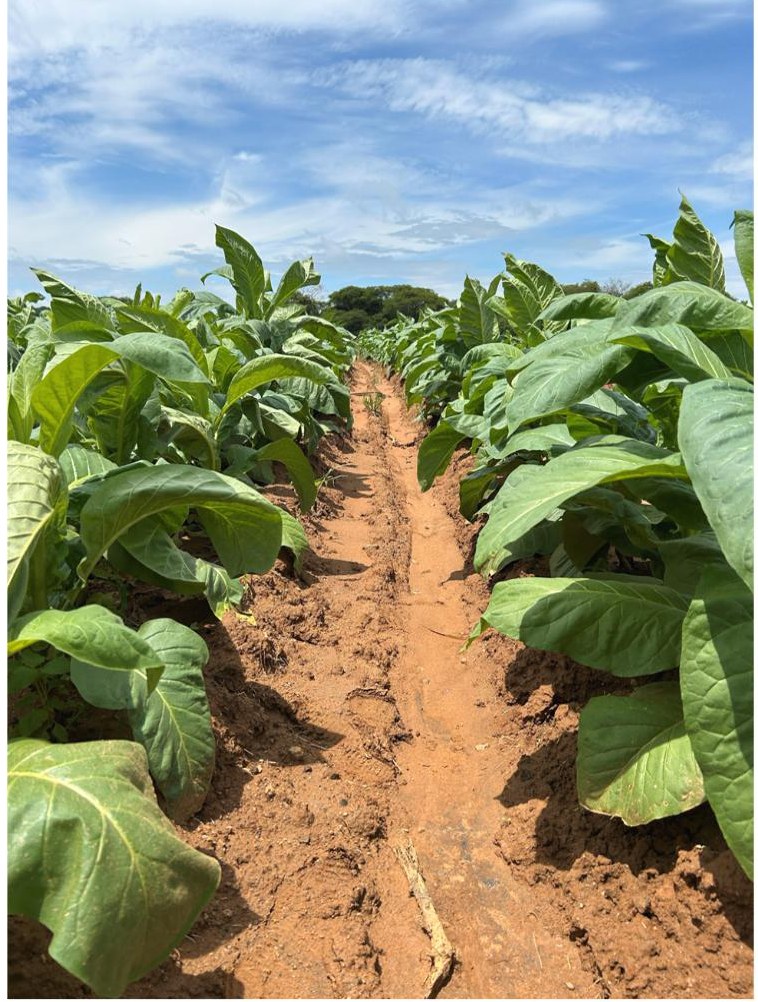
The trial rows through early January: Fluopyram + Kyno-Humate, Plesiva Star and Fluopyram alone. All are looking healthy and well established.
14 January 2026
Established and measured
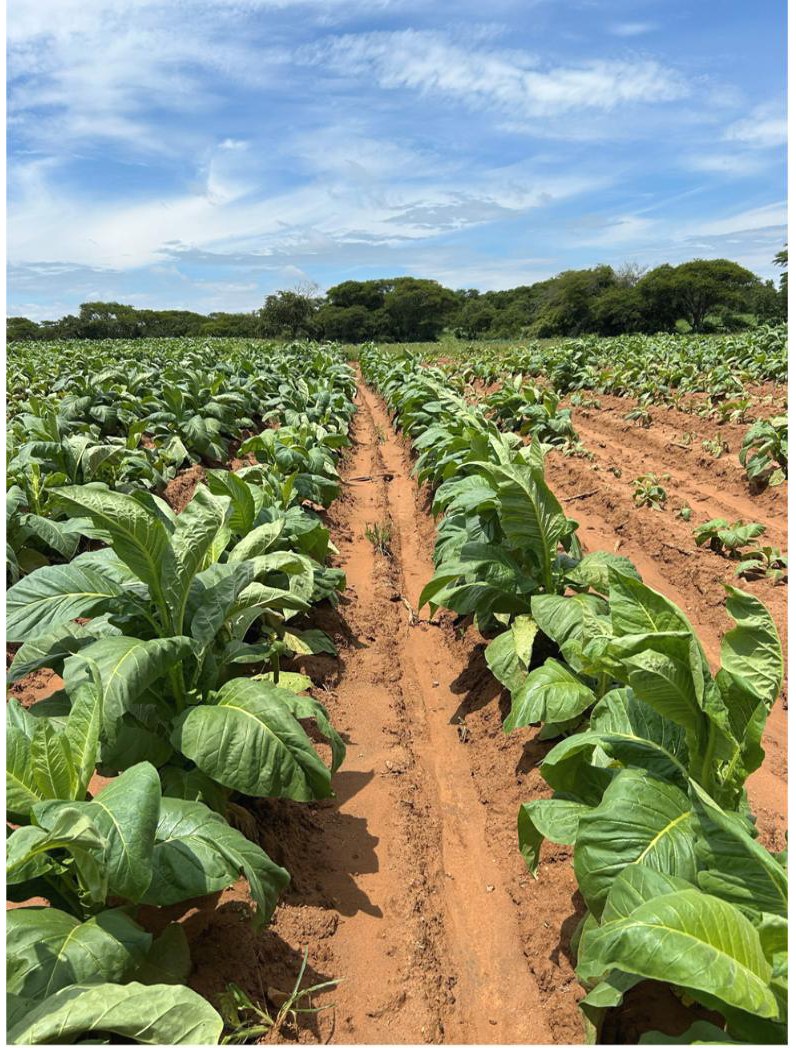
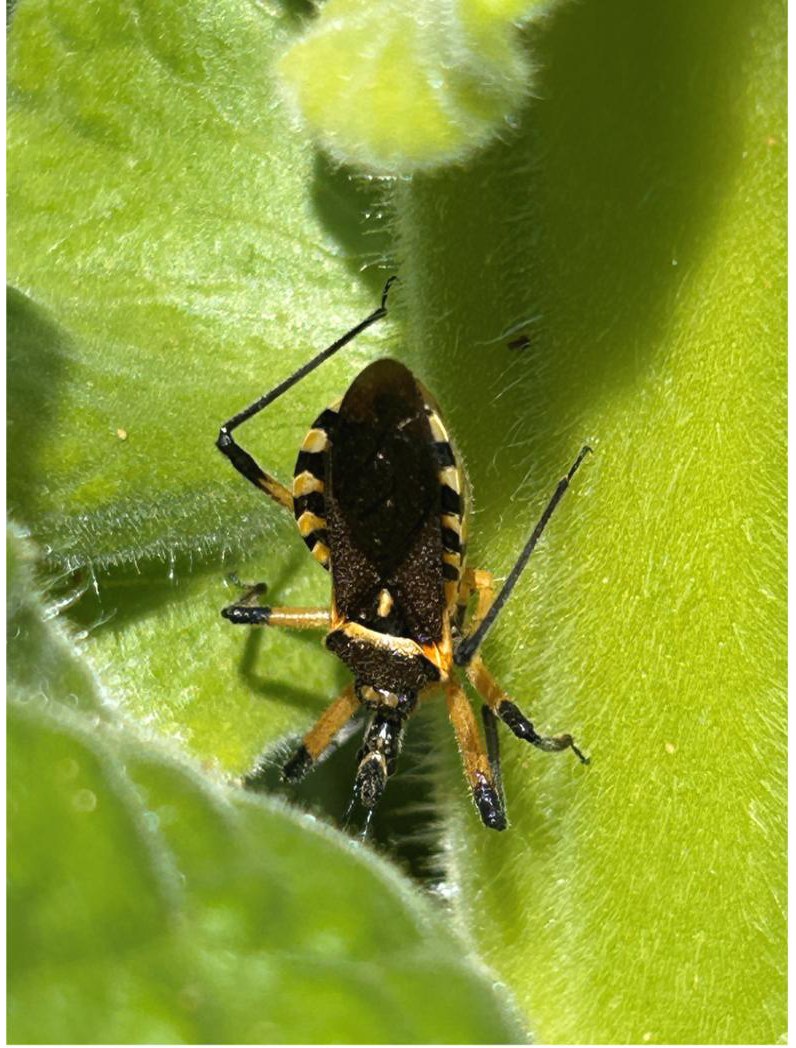
The plants in the trial area are healthy and well established, with fewer weeds noticed — an average of 8 leaves and an average length of 45 cm. The control plants have improved but are less established and uniform, with signs of sun scorching. A field scout of the control area also turned up visible insects.
Root sampling
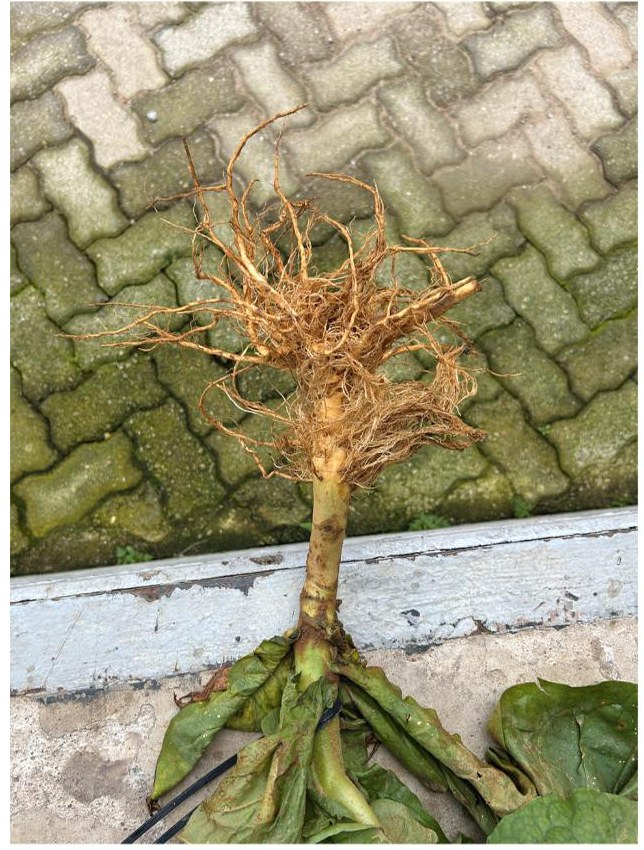
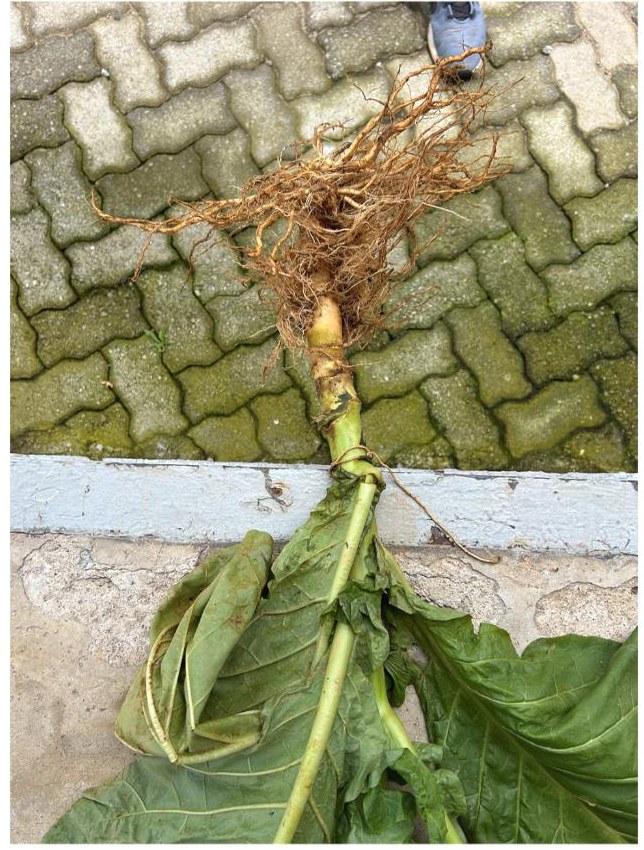
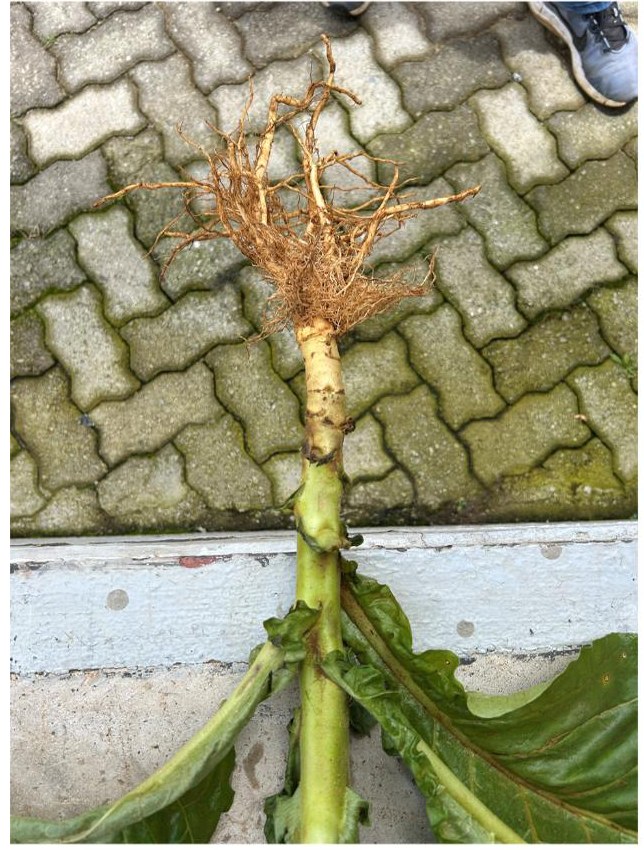
Digging up the difference in the roots
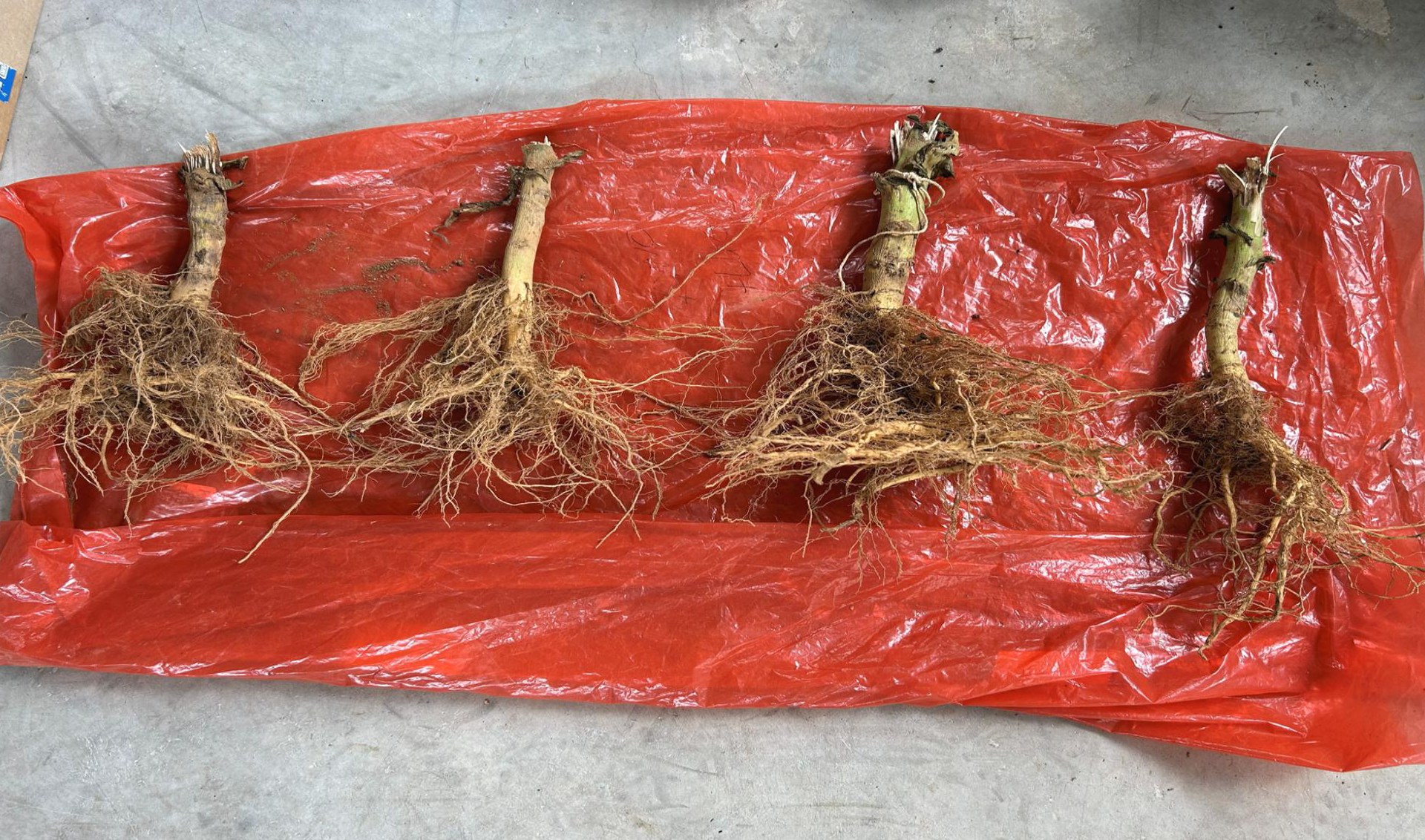
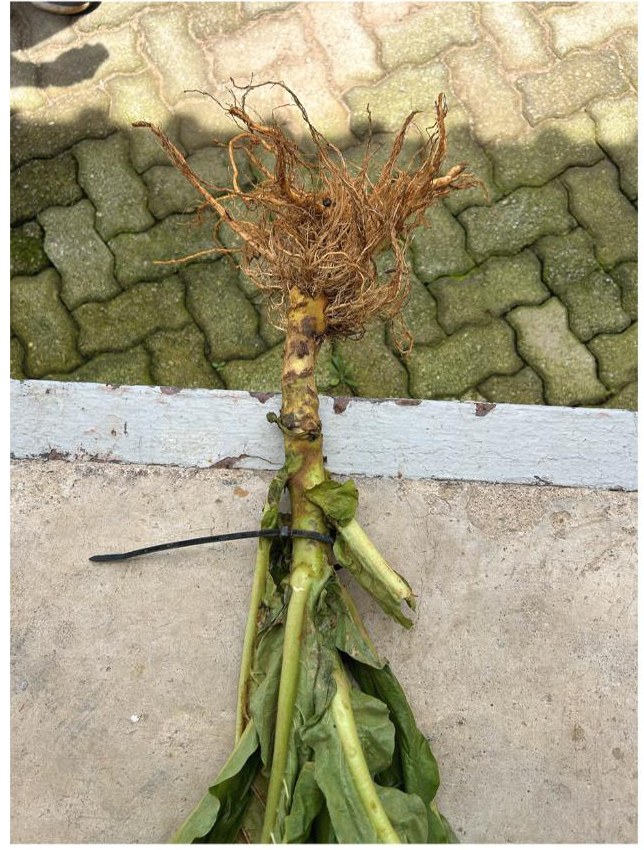
To answer the trial’s central question — root development — whole plants were lifted from each treatment and the control. Laid side by side, the root mass tells the story that the canopy only hints at.
Root sampling
The roots up close
Up close, from left to right: Fluopyram, Fluopyram + Kyno-Humate, Plesiva Star and the control. The Fluopyram and Kyno-Humate combination shows the fullest, most fibrous root development of the four.
20 February 2026
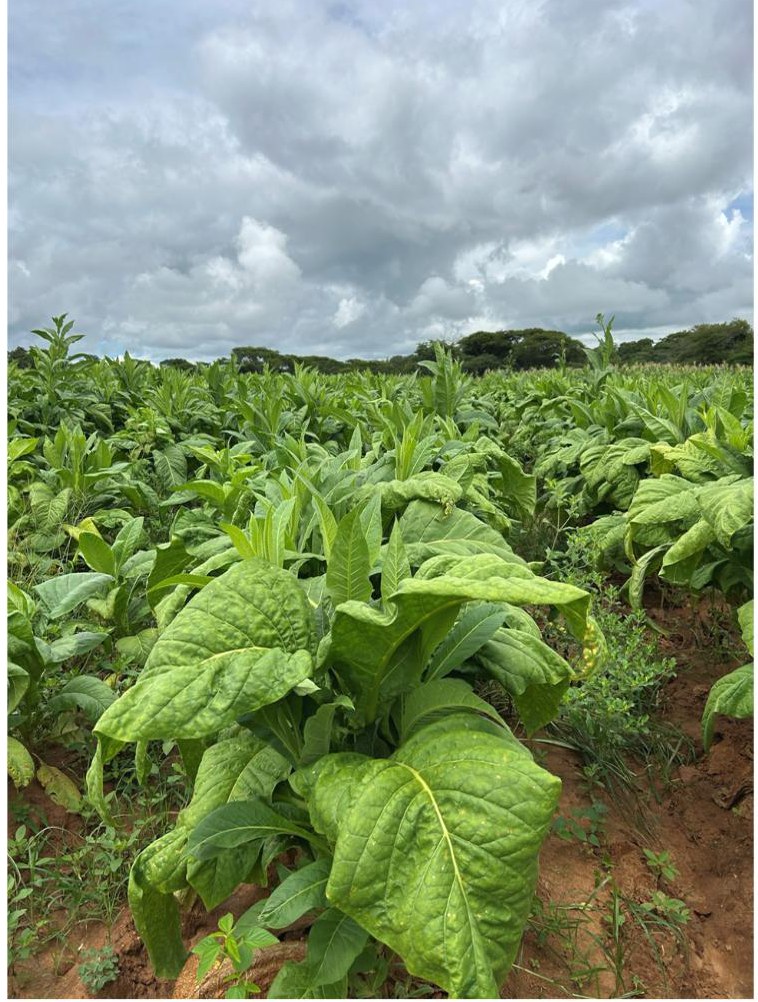
Third visit — the crop grows out
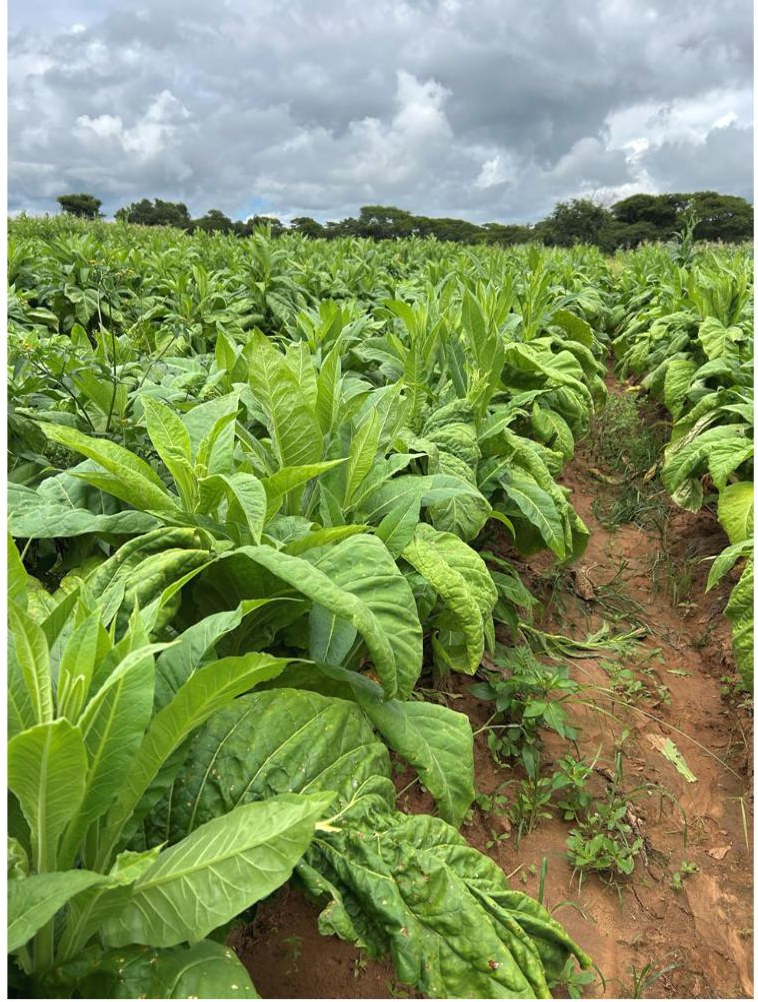
By late February the trial area has grown out into a full, even crop across the treated rows, holding its colour and vigour towards the end of the season.
Harvest
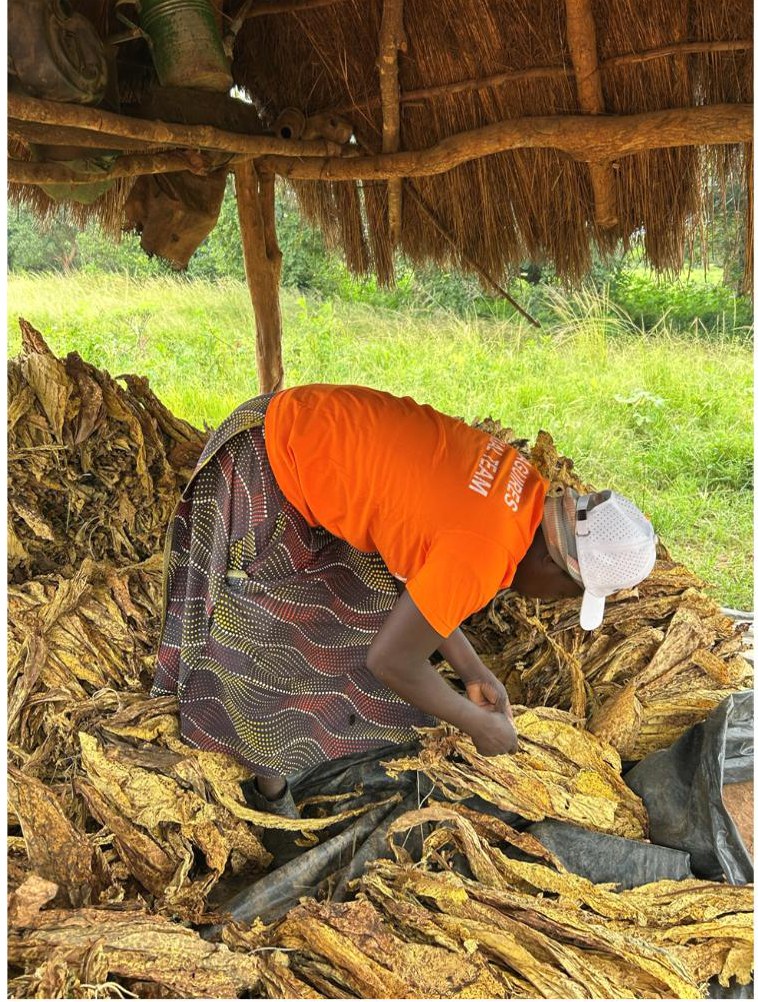
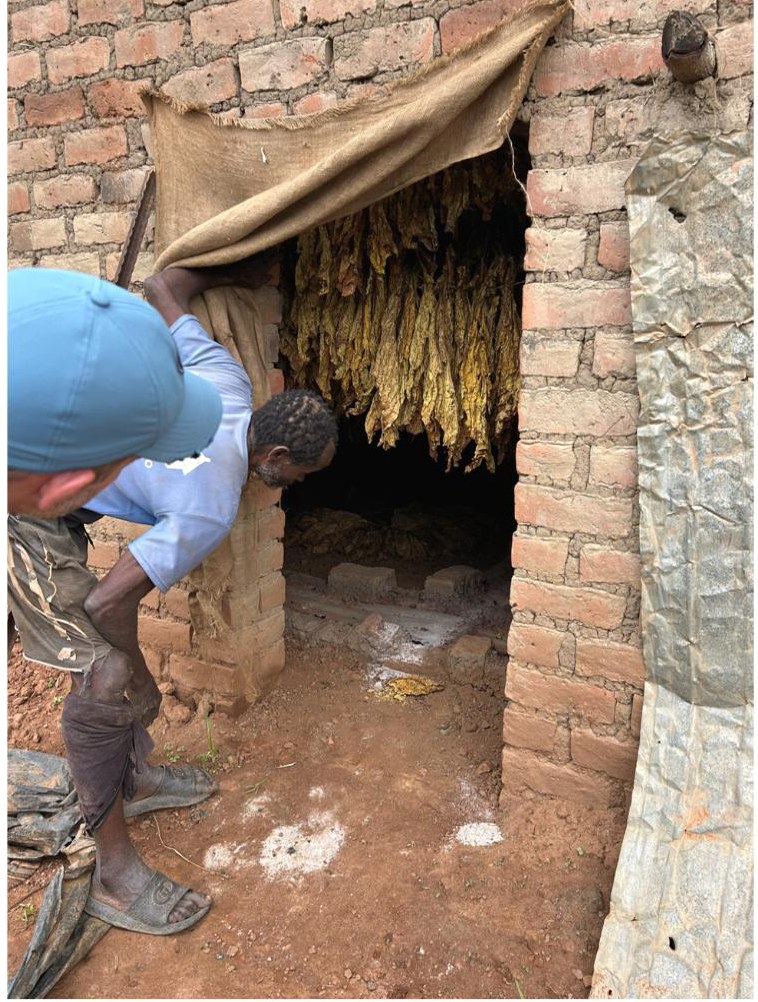
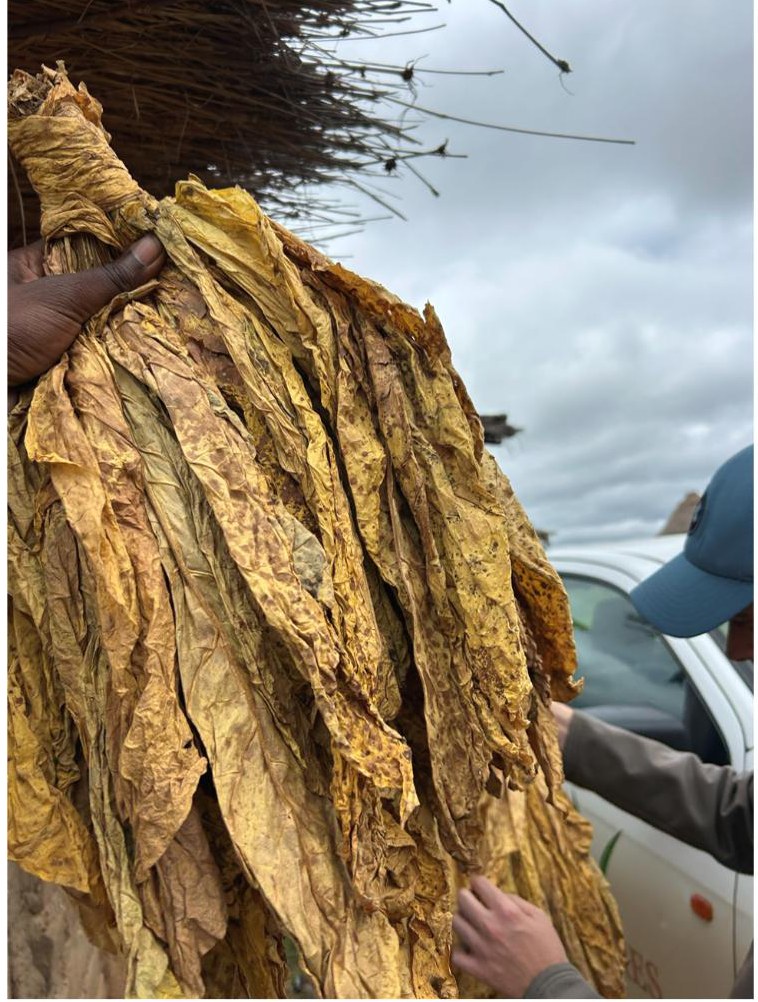
The harvested crop
The reaped leaf coming out of the trial and into the barn to cure — the end point of the season’s work.
Conclusion
The chemical combinations — especially the treatments involving Fluopyram and Kyno-Humate — showed clear early benefits:
- Improved early crop growth
- Stronger plant establishment
- Healthy foliage
- Some plants washed away by heavy rains
These results indicate positive early trial performance and justify continued monitoring. Samples have been taken and submitted to Kutsaga for root and soil nematode analysis.
Key Finding
Fluopyram paired with Kyno-Humate gave the strongest early establishment and the fullest root development of all the rows — standing clearly apart from the control from the very first visit.