Trial at a Glance
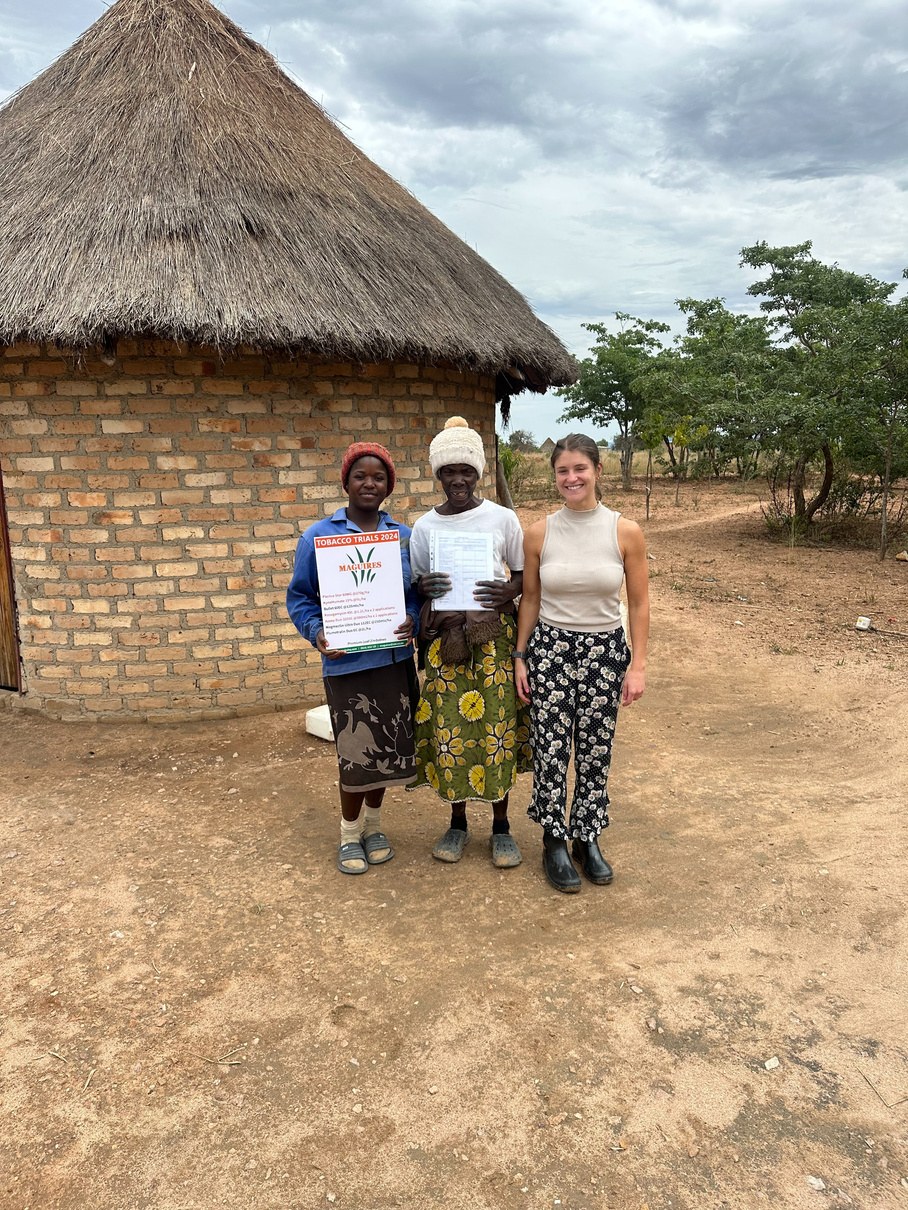
- Grower
- Chenai Nyamudzadza · Premium Grower 1
- Area
- Macheke
- Planted
- 12 November 2024
- Trial Plots
- 4 treatment plots + control
Trial Overview
The Premium Leaf Zimbabwe Growers Packs were used throughout this farmer’s fields. In trial plots 1–4 the primary insecticide, Imidacloprid, was substituted with Plesiva Star — with additions of Kynohumate, Azoxy Duo and Kasugamycin in their relevant plots.
- Plot 1 — Plesiva Star (270 g/ha) + Kynohumate (5 L/ha) + Azoxy Duo (500 mL/ha ×2)
- Plot 2 — Plesiva Star (270 g/ha) + Kynohumate (5 L/ha) + Kasugamycin (1.2 L/ha ×2)
- Plot 3 — Plesiva Star (270 g/ha) + Azoxy Duo (500 mL/ha ×2)
- Plot 4 — Plesiva Star (270 g/ha) + Kasugamycin (1.2 L/ha ×2)
- Plot 5 — Imidacloprid (1 L/ha) control; all surrounding areas had the standard Premium set of treatments
A large, noticeable portion of the trial area showed deficiencies and the effects of nematodes running across the lines — due to rotational constraints and a lack of nematicide. Even there, the Kynohumate section fared the best of all the plots, including the control, holding healthy, filled-out plants even where chlorophyll was lacking.
The Season, Step by Step
The plots were inspected and photographed from planting in November 2024 through to the final reaping in late March 2025.
12 November 2024
Planting day
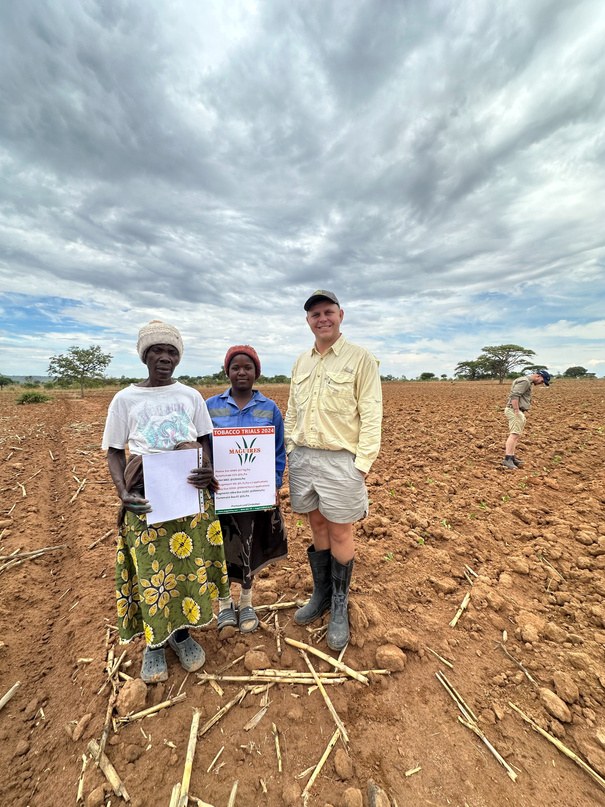
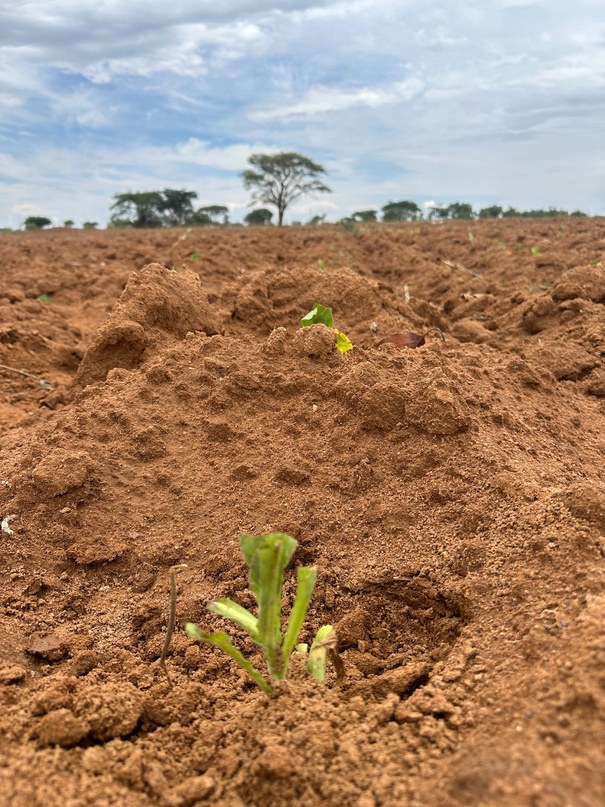
The first rainfall fell on 6 November, and the crop was planted on 12 November with the Plesiva Star application following on 14 November.
12 December 2024
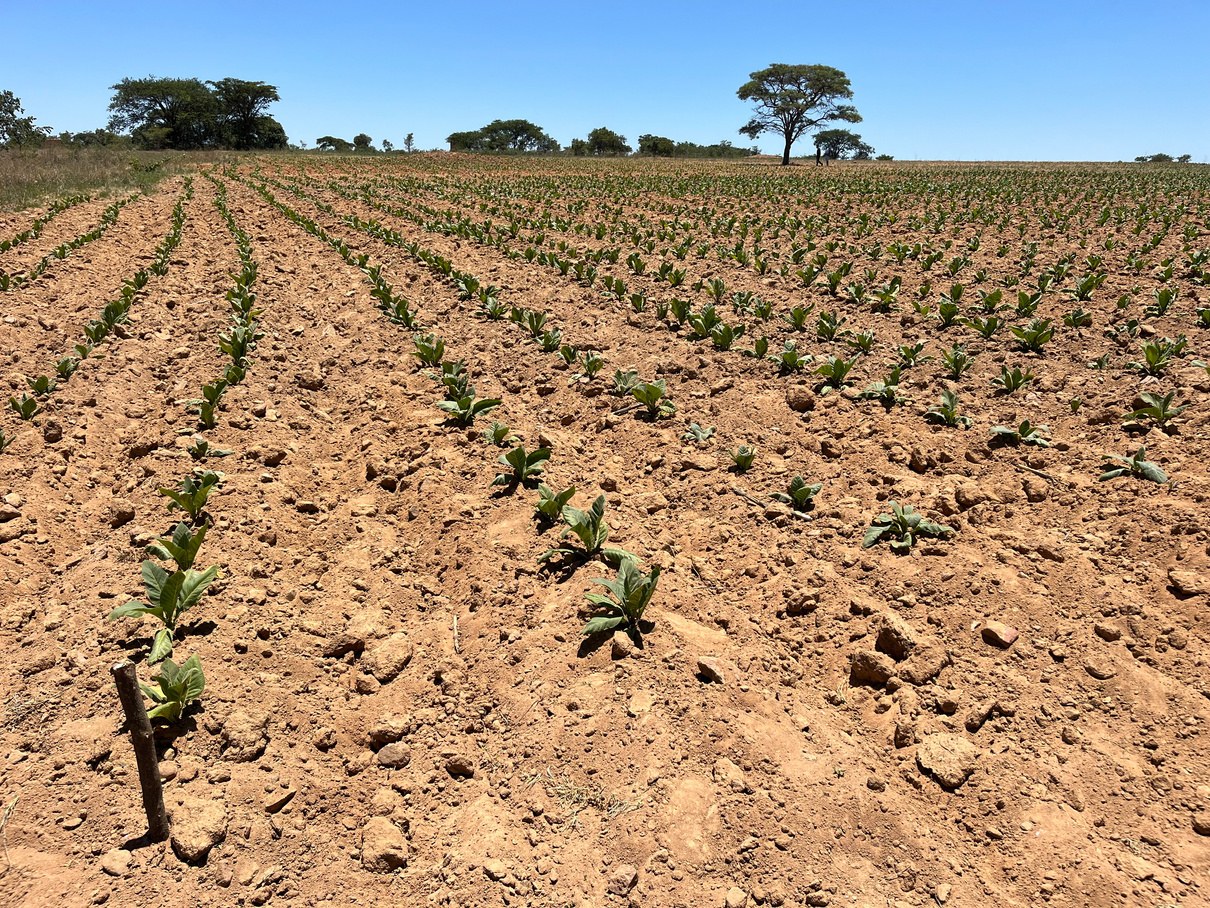
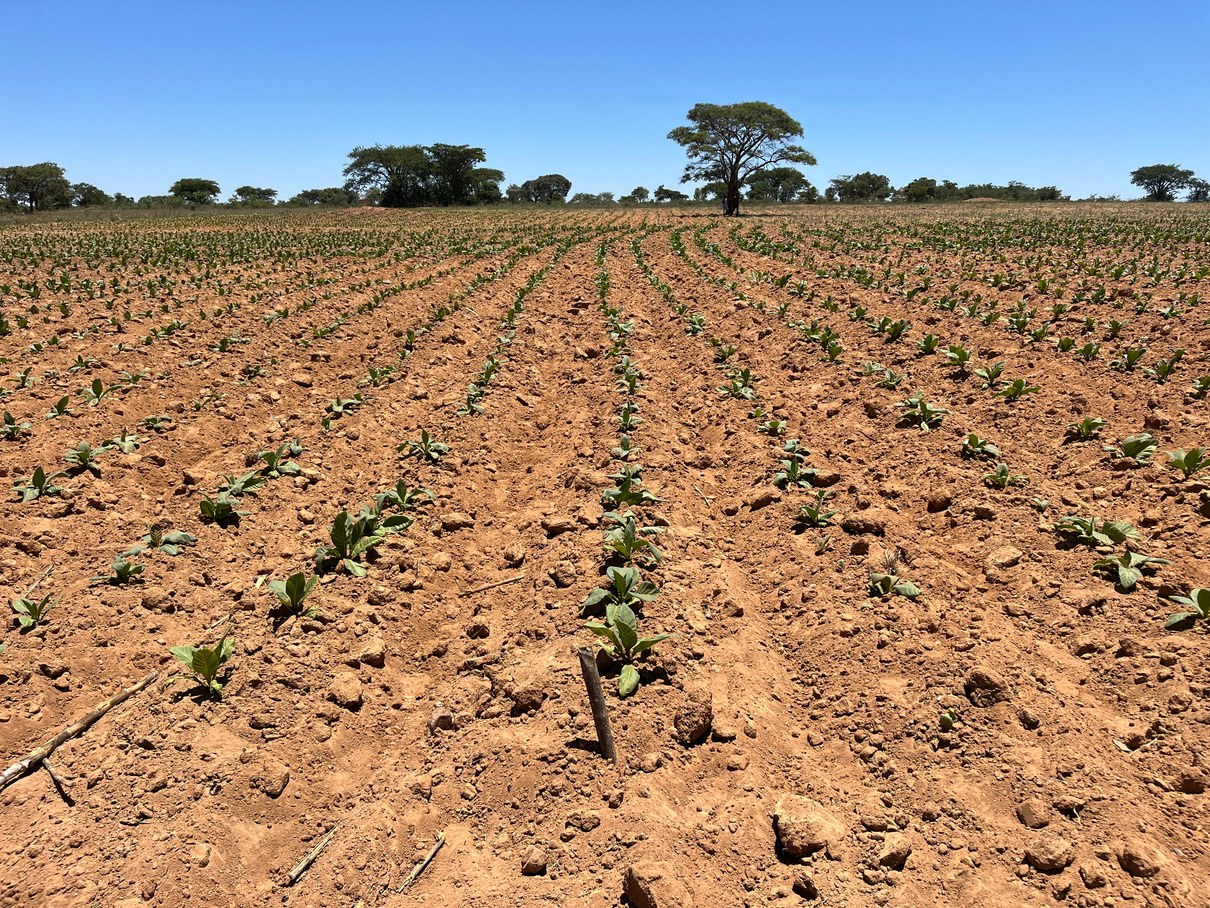
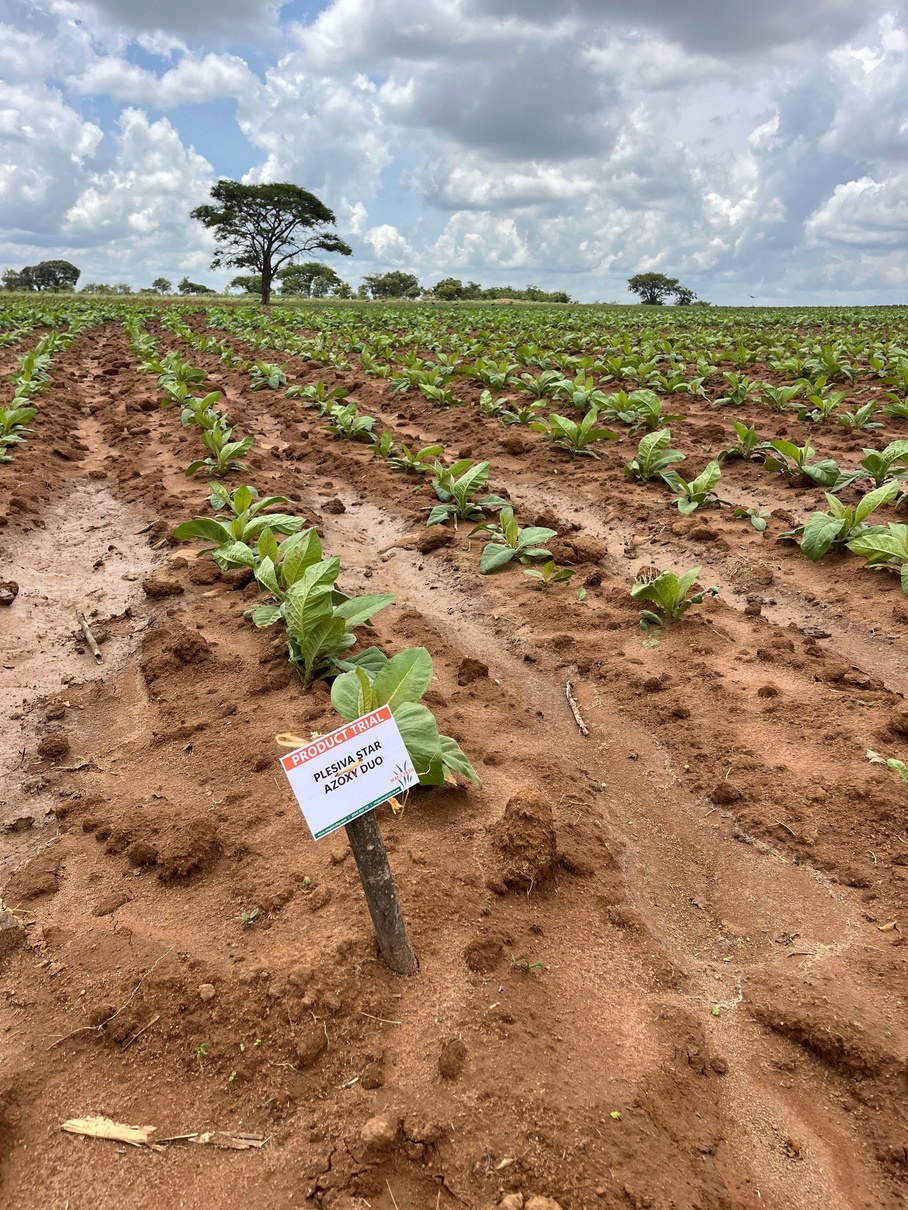
Azoxy Duo plots — no rain since planting
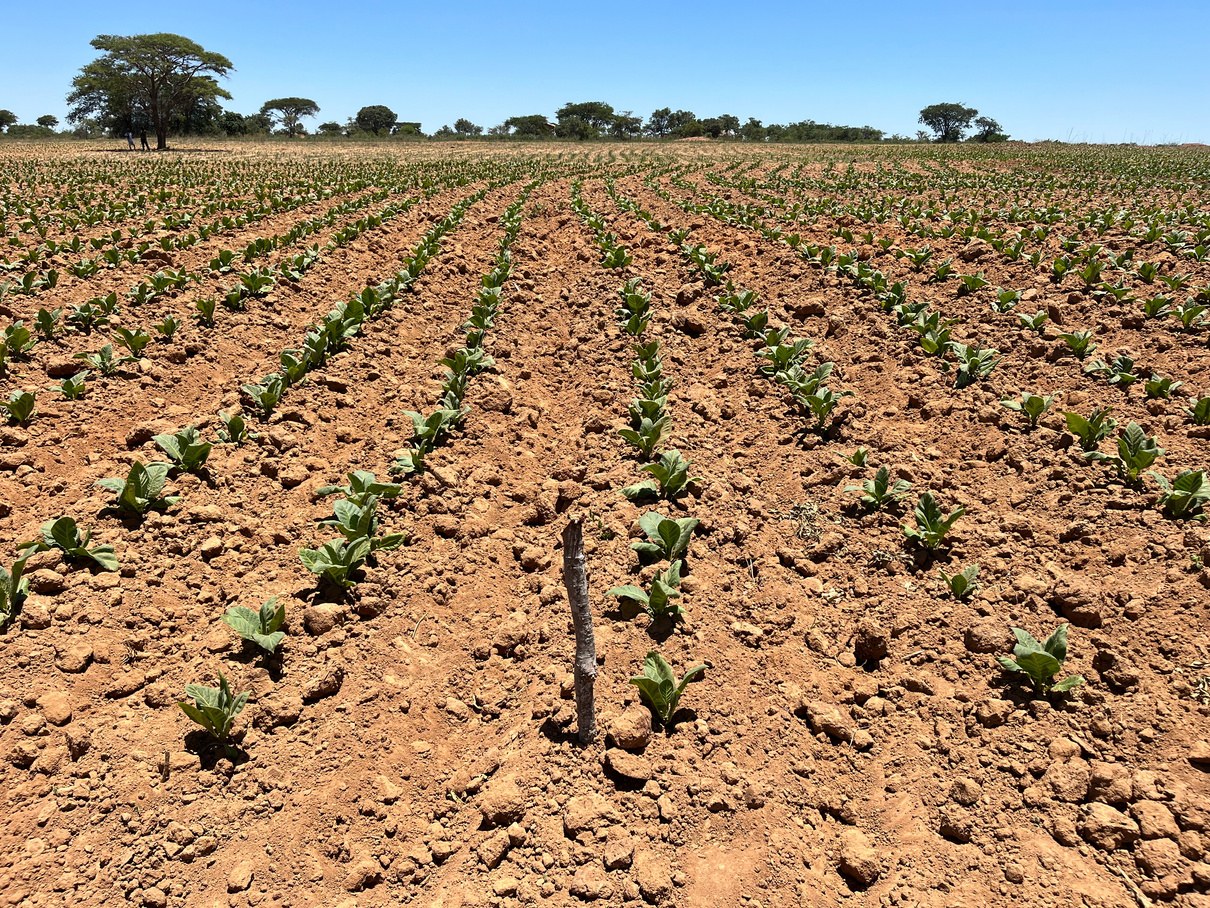
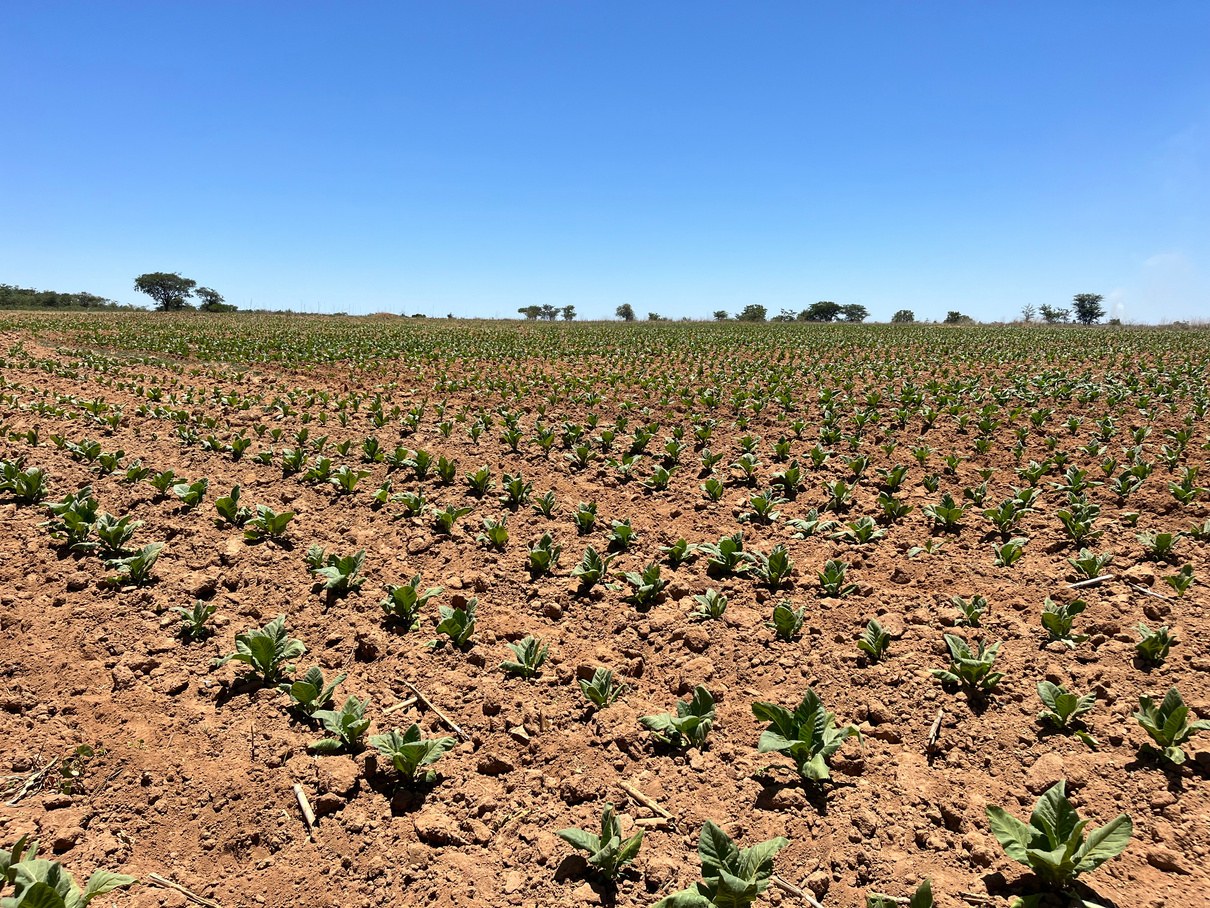
A field inspection was done on 12 December — up to now no budworm or aphids have been scouted in any of the four Plesiva Star plots. The farmer has experienced no rainfall since planting, and the plots without Kynohumate are looking very stressed with some plant deaths noted. Left of each pair: Plesiva Star, Kynohumate and Azoxy Duo. Right: Plesiva Star and Azoxy Duo alone.
12 December 2024
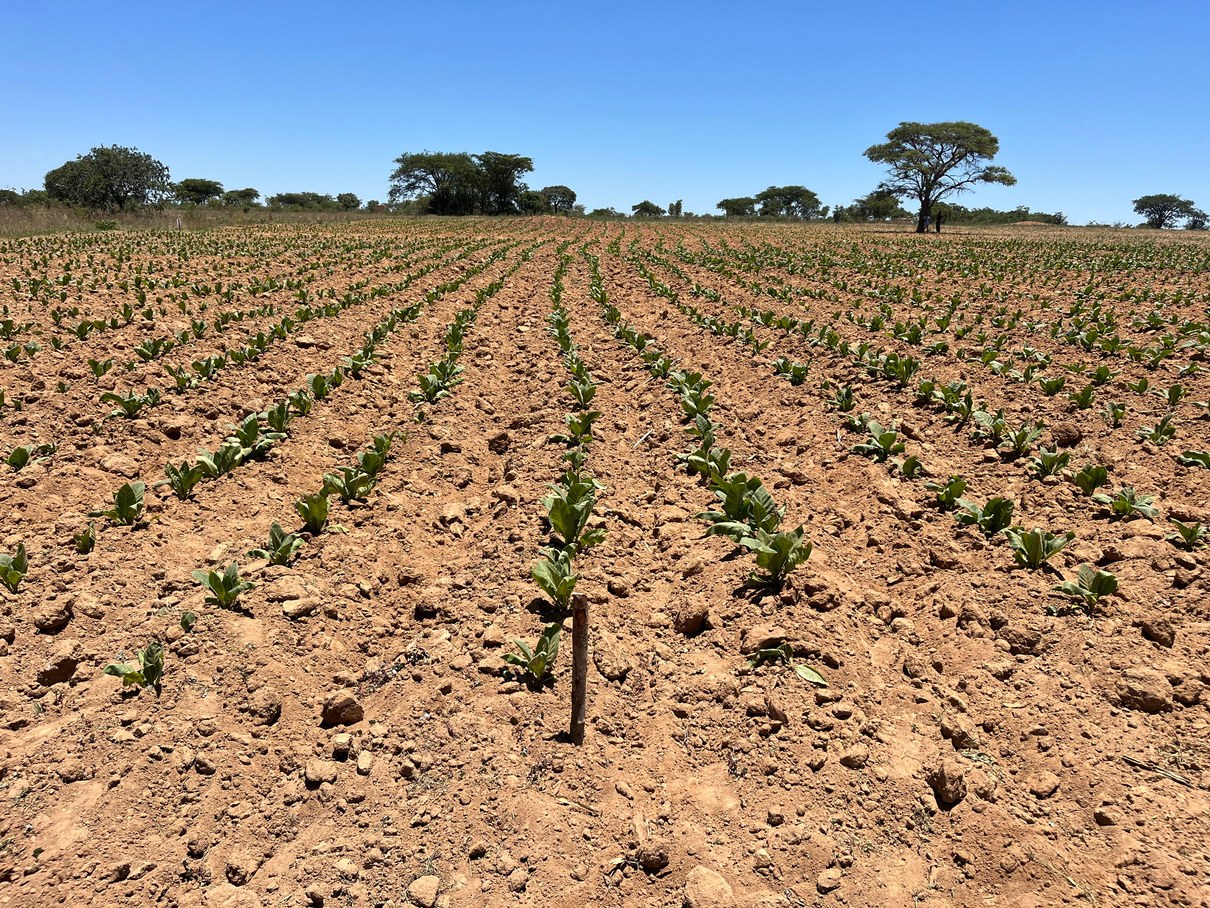
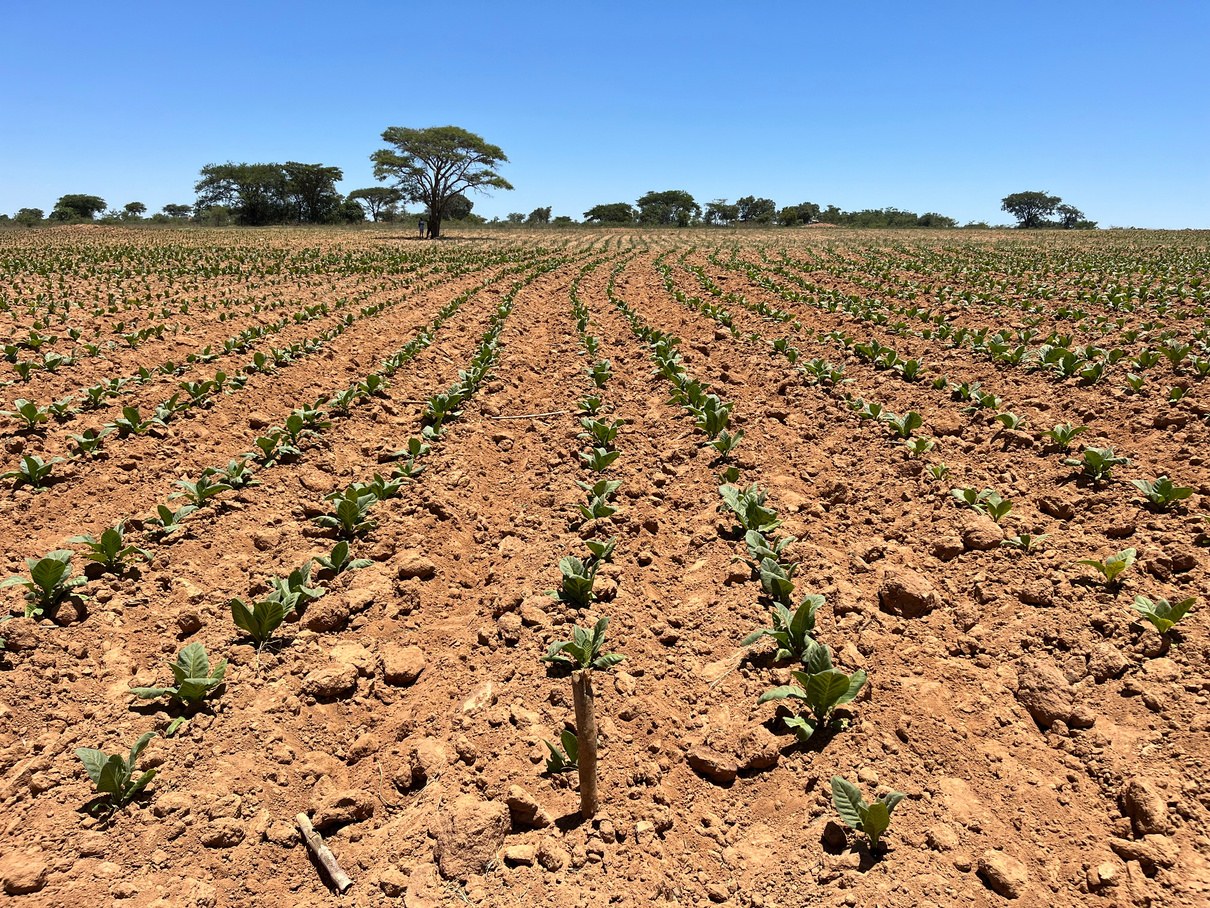
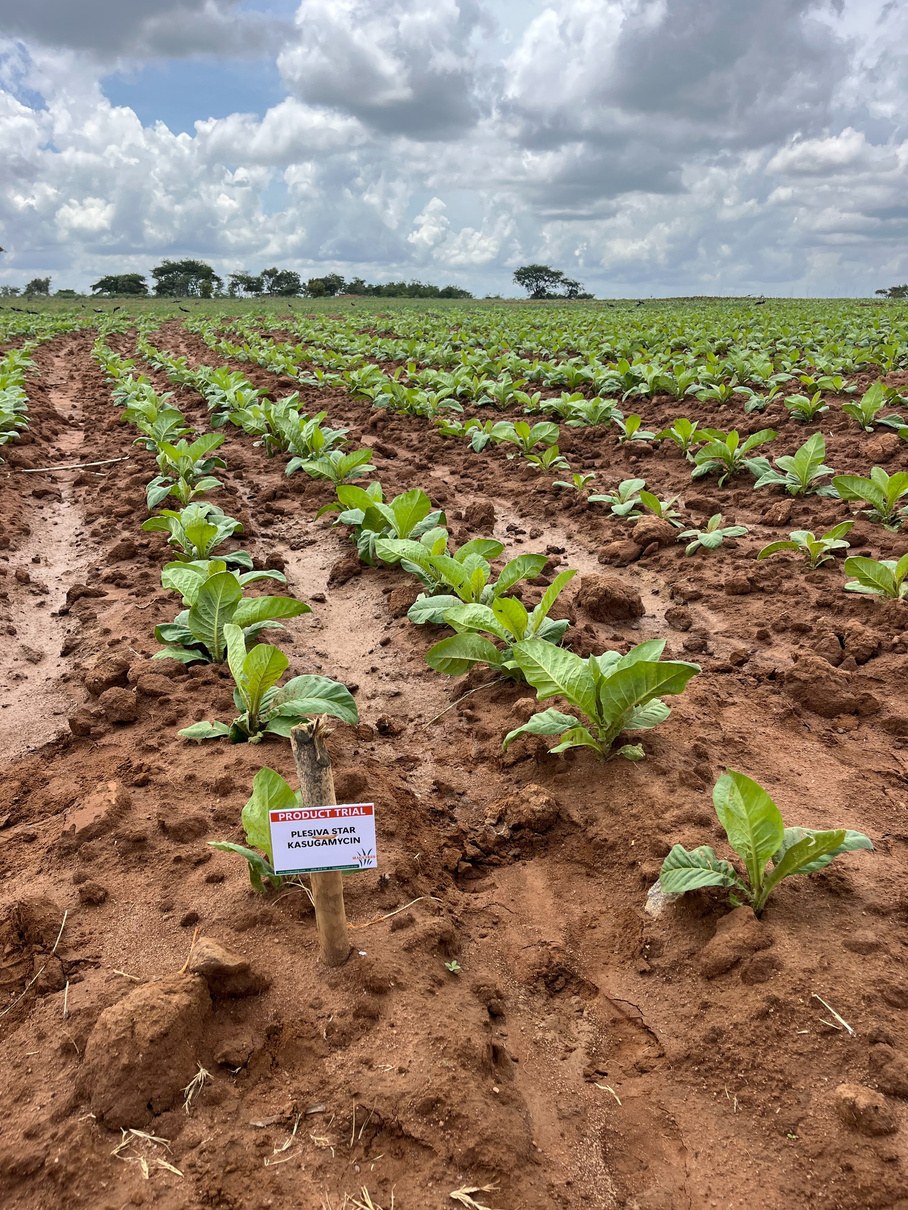
Kasugamycin plots
The Kasugamycin plots on the same inspection — Plesiva Star, Kynohumate and Kasugamycin alongside Plesiva Star and Kasugamycin alone. Again, no budworm or aphids were found in any of the Plesiva Star plots.
12 December 2024
The control plots
The control plots are showing signs of the drought, and the first budworm have been scouted here — though below the economic threshold, and the farmer has picked them by hand.
18 December 2024
Knapsack training
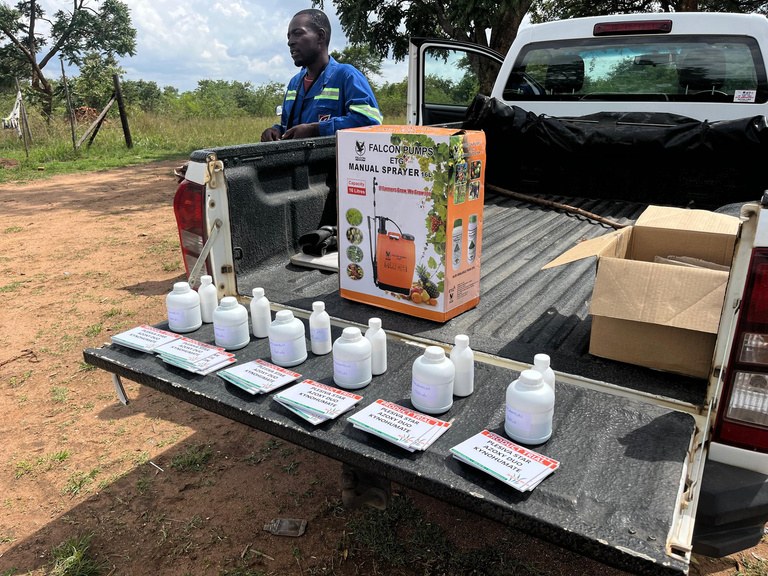
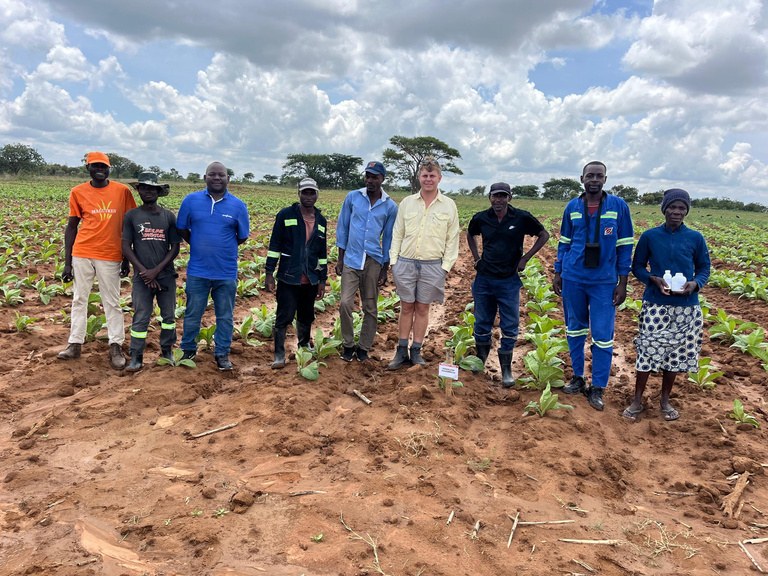
Everyone received a knapsack to ensure correct application of their Kasugamycin and Azoxy Duo, as well as signs to mark where these were applied. The first sprays went on the next day, 19 December (6 weeks from planting) — the first application was held off due to the lack of rainfall, for fear of causing unnecessary phyto damage to the tobacco.
18 December 2024
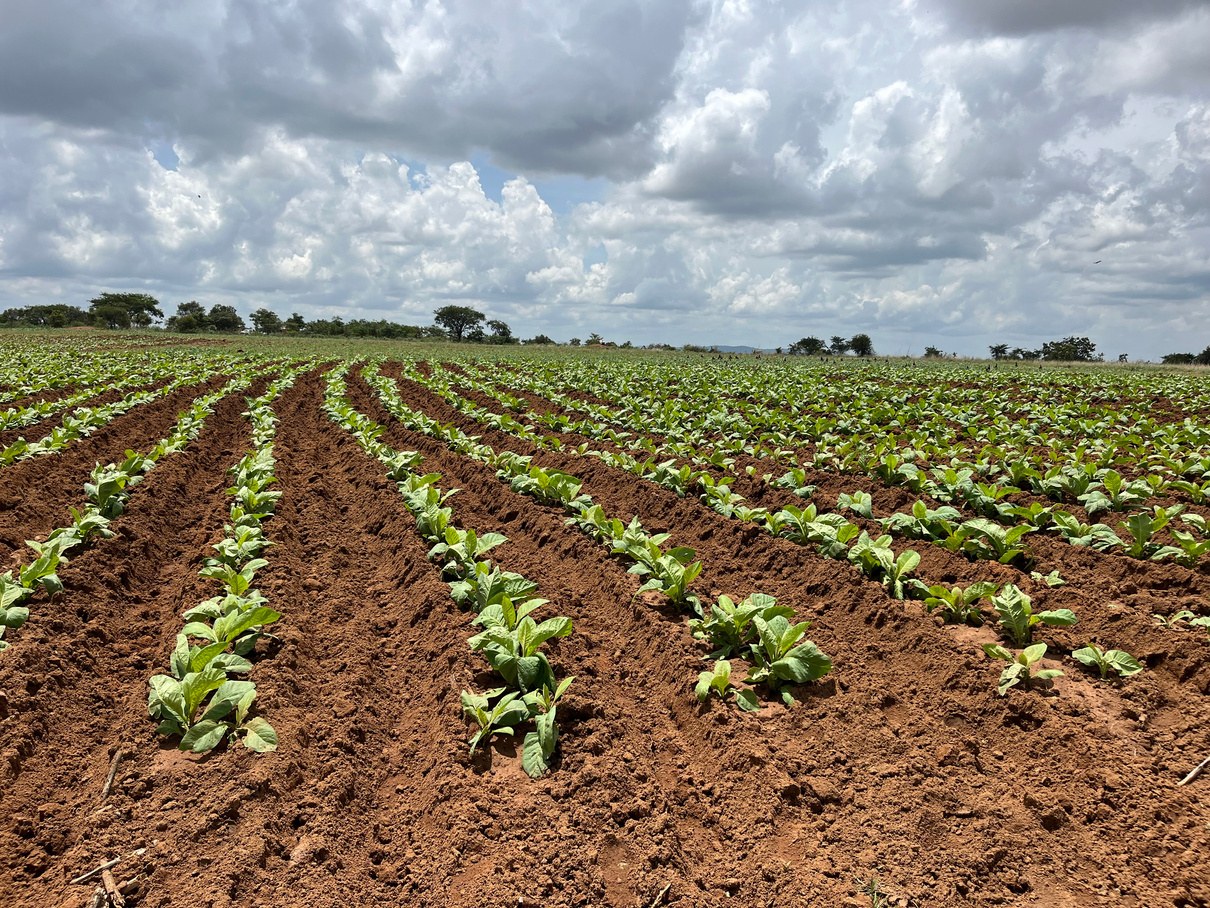
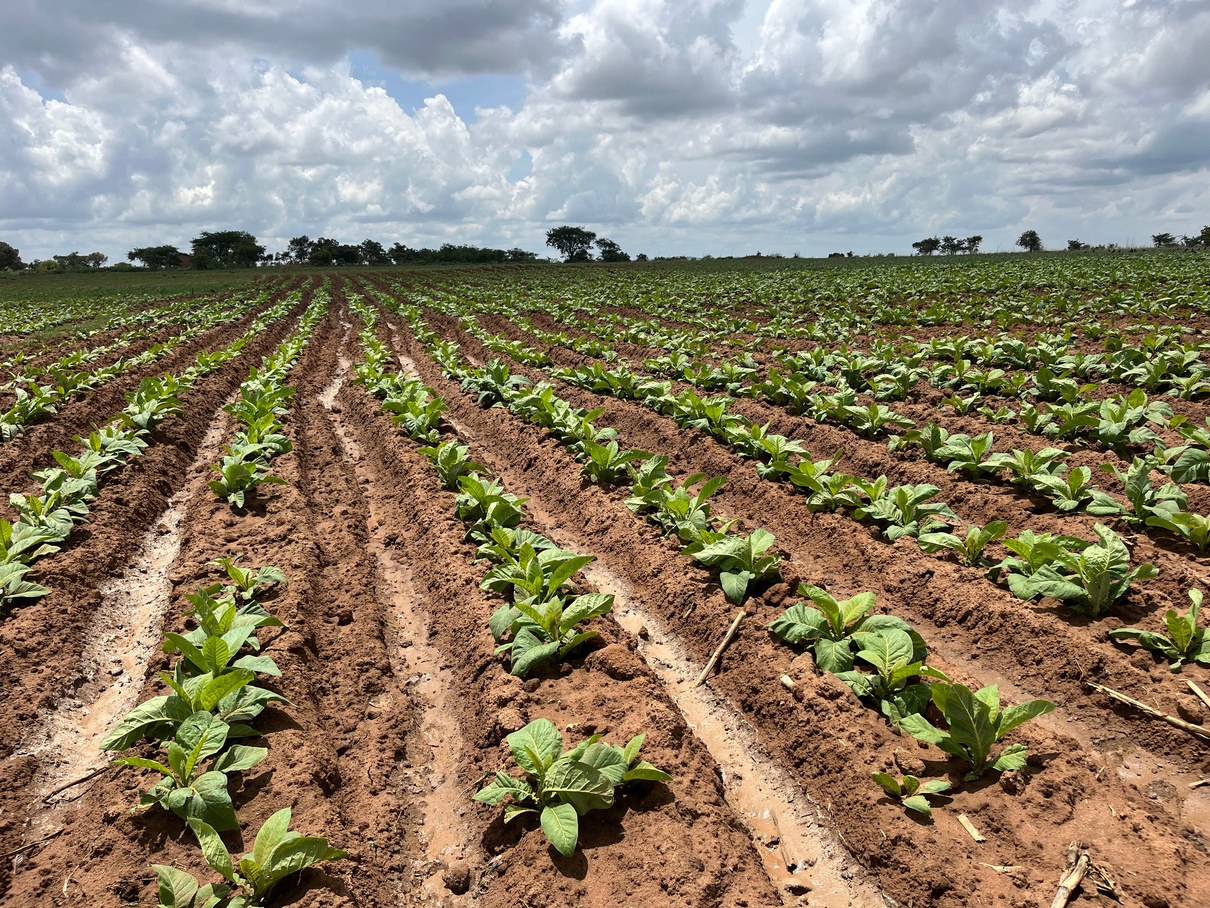
Kynohumate holds through the drought
The difference between the plot that received Kynohumate and the one that did not is clear — the Kynohumate crop has maintained evenness and vigour through the drought, while the untreated plot is stressed and uneven.
18 December 2024
Budworm over threshold in the control
On 17 December the budworm was scouted above the economic threshold in the control portions without Plesiva Star. The farmer applied Magmectin to the control plots to kill the budworm — while there was no budworm at all in the Plesiva Star plots.
10 January 2025
Second sprays at 9 weeks
The second sprays of Azoxy Duo and Kasugamycin were applied on 10 January (9 weeks from planting). There are no signs of disease in the plots, though weather-fleck spots are now visible across the whole crop — both the trial plots and the control.
10 January 2025
Topping stage — no insecticide needed
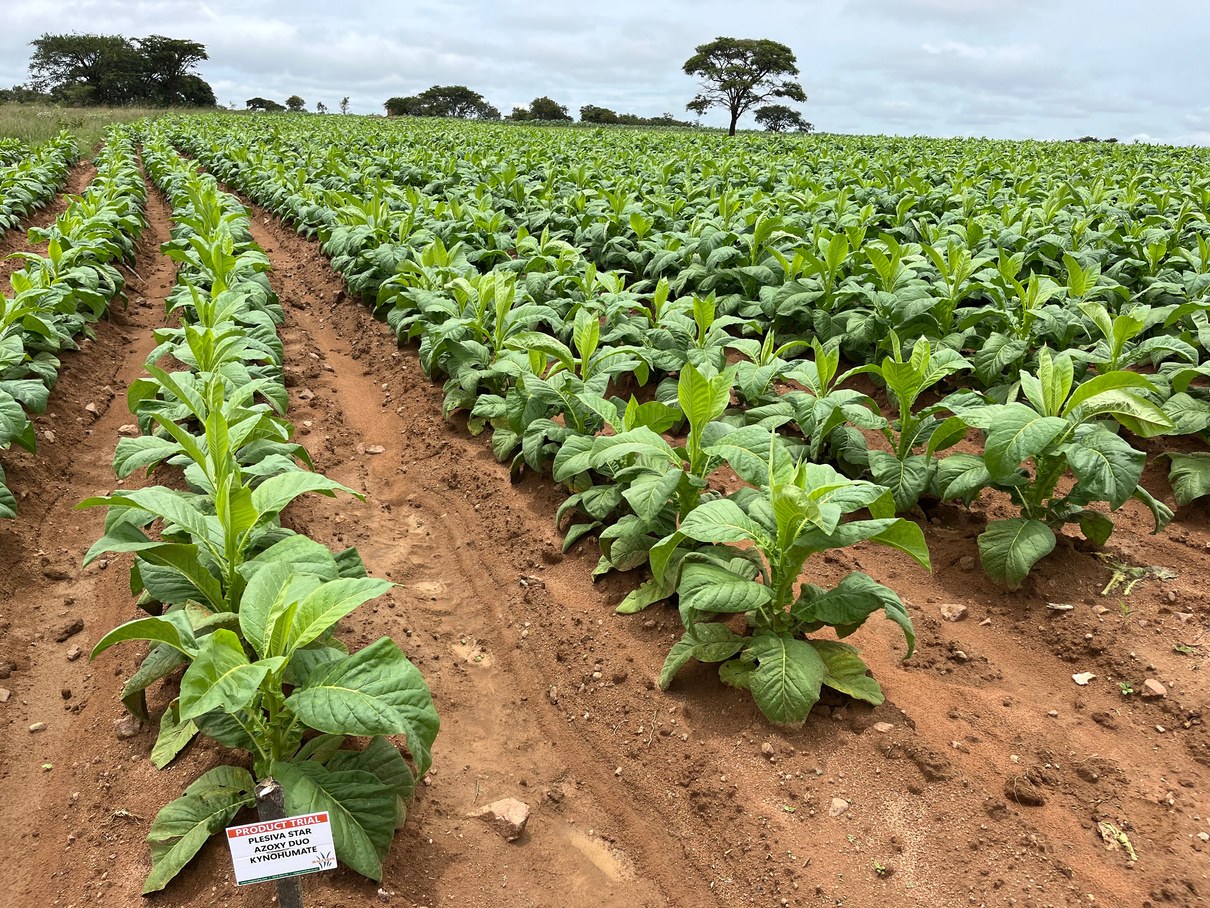
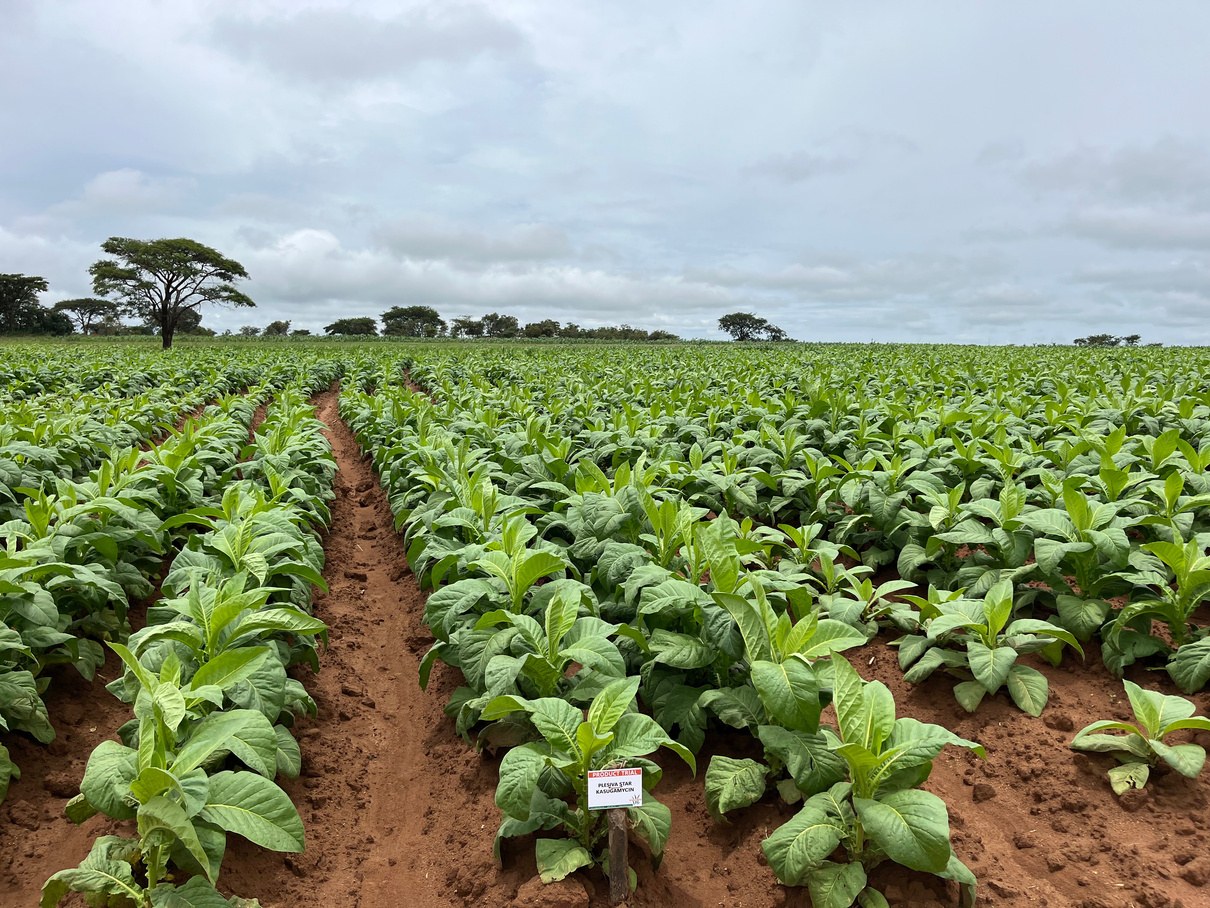
The Plesiva Star trial has been a huge success. The crop has reached topping stage with an average leaf count of 18–22, and no insecticide has been needed on the Plesiva Star plots — while the control plots were scouted today and over 20 budworm were found, even after a recent insecticide application.
26 February 2025
Fullness and colour
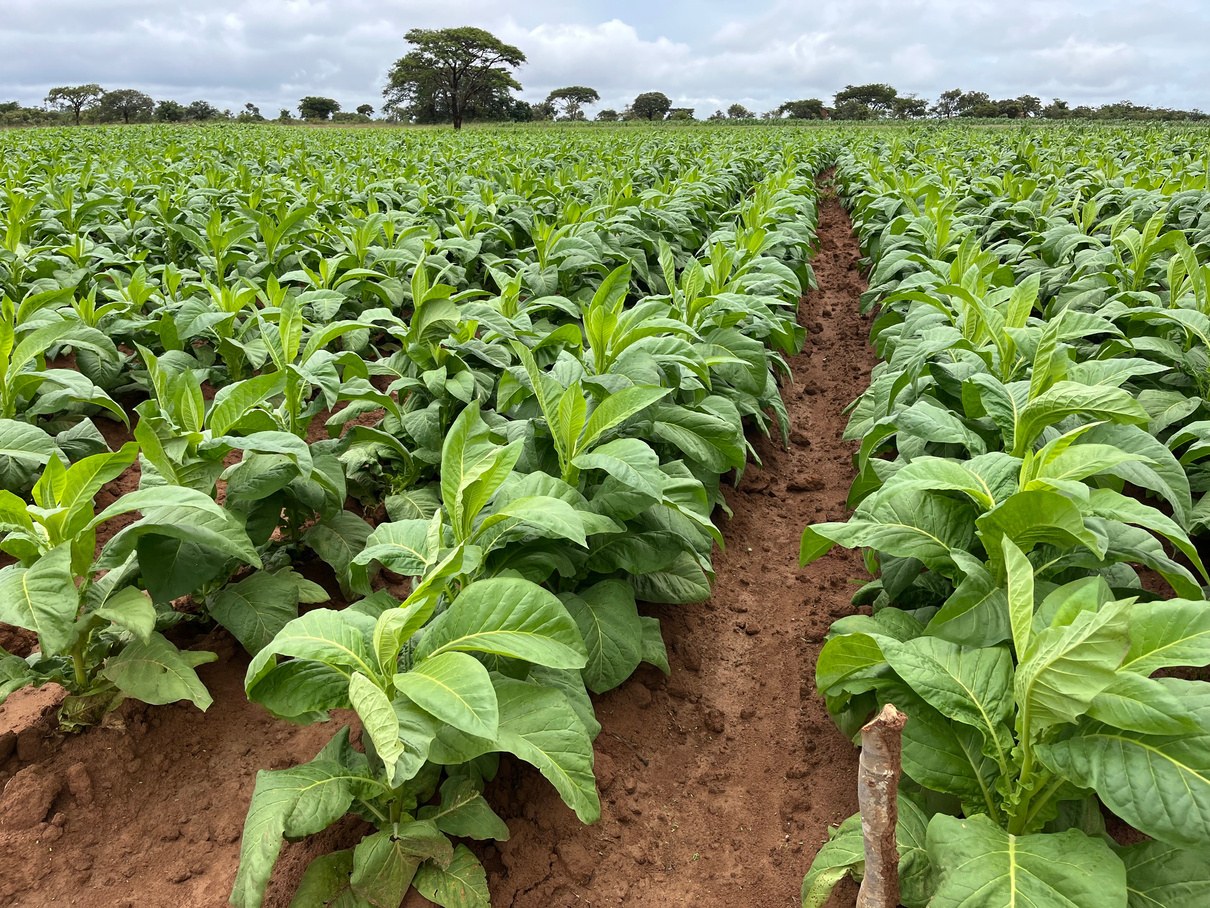
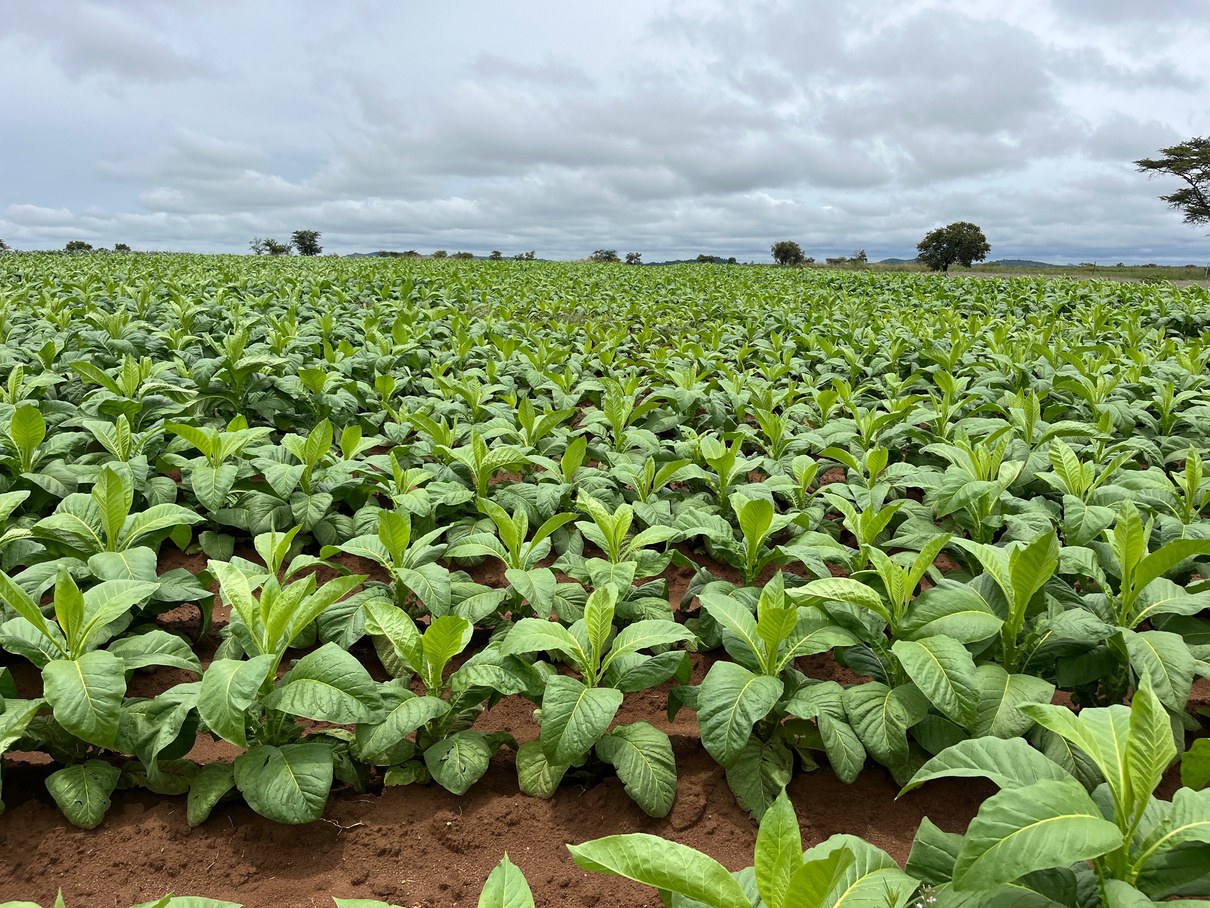
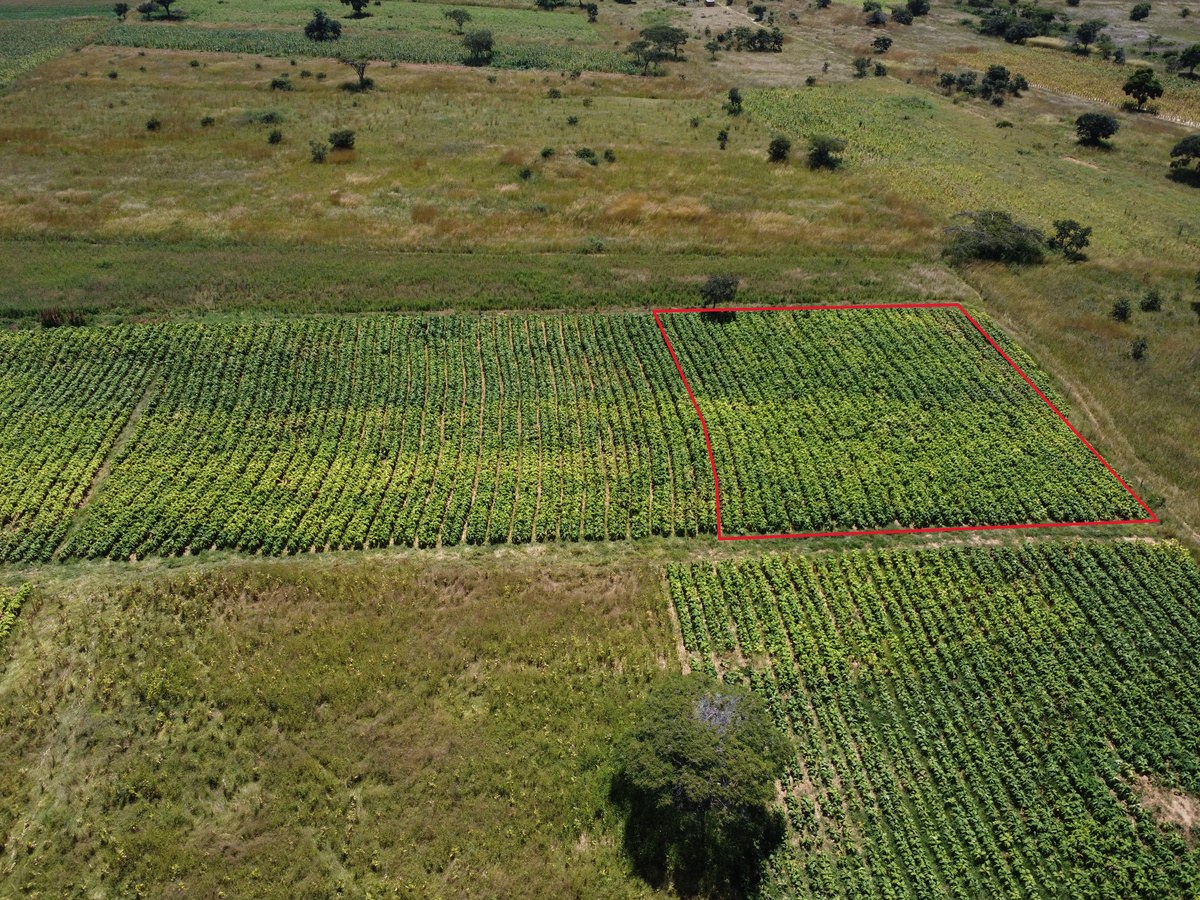
The biggest difference between the plots with and without Kynohumate is the fullness of the crop — bigger, more even in colour, and turning for reaping at a more similar stage. In the weaker part of the field the rows have actually closed in the Kynohumate plot. No fungal disease was found; angular leaf disease is present but, oddly, in fewer instances than the control plots.
26 February 2025
Comparing the plots
Weather fleck is visible throughout the whole crop — trial plots and control — and in all instances is showing a turn towards angular leaf spot. From left to right: the Imidacloprid control, the Azoxy Duo plot, and the Kasugamycin plot.
26 February 2025
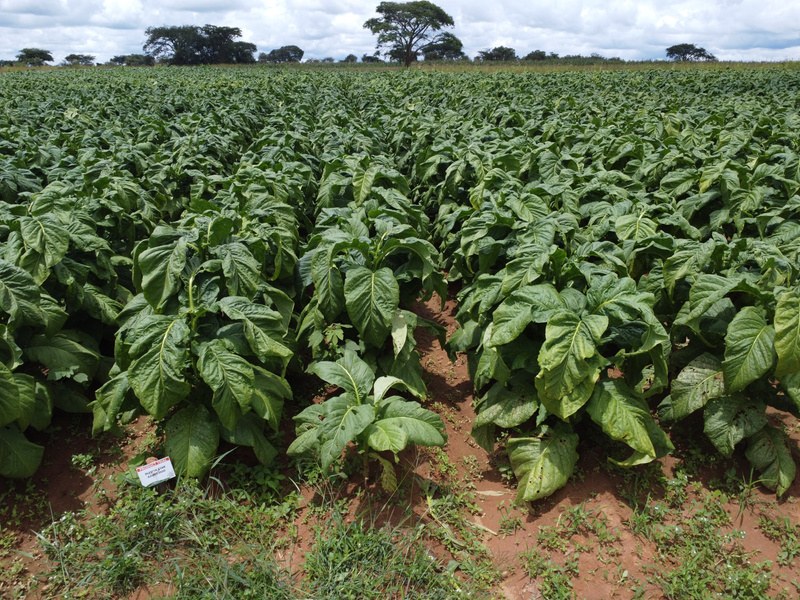
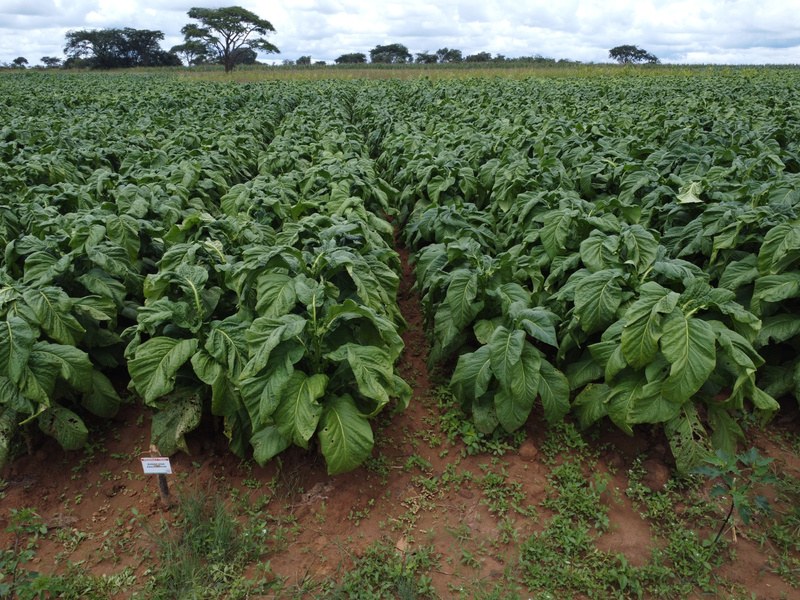
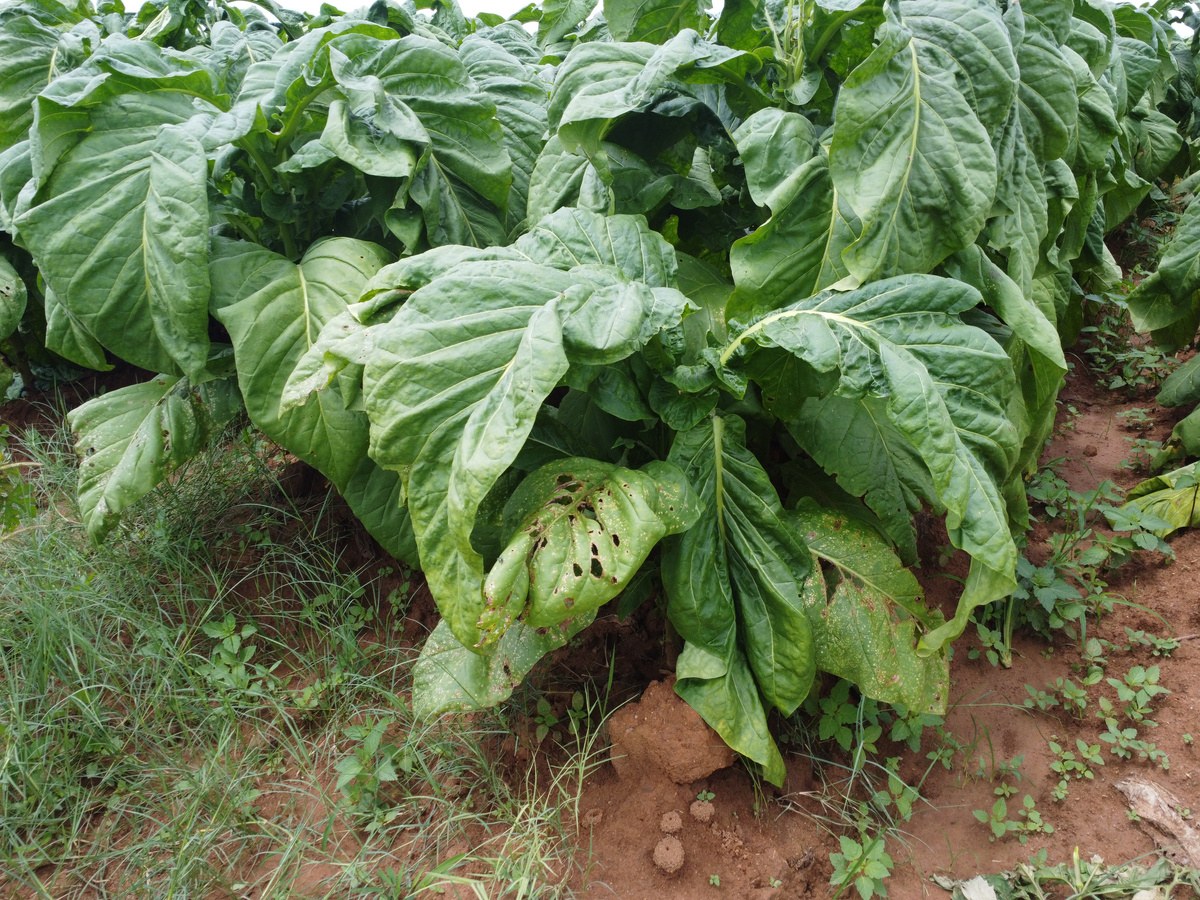
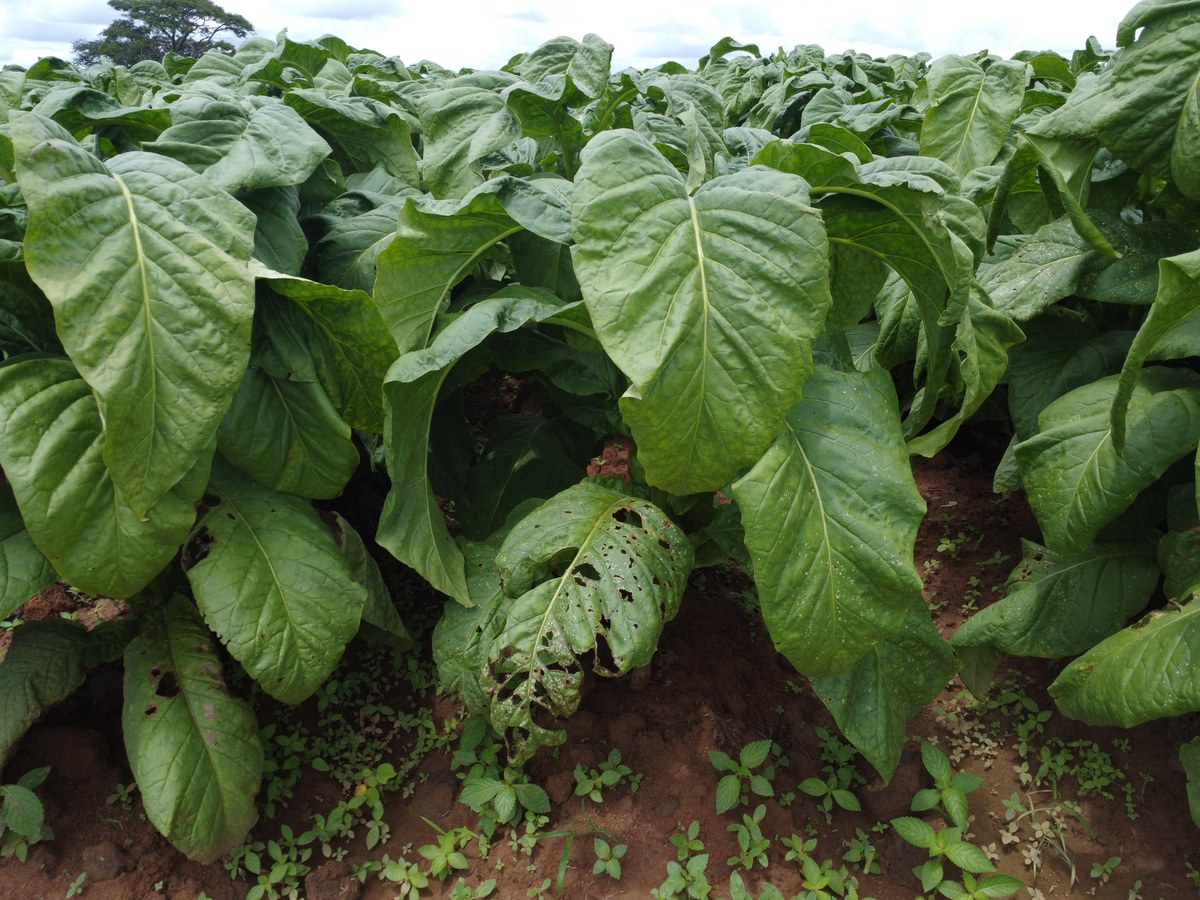
Weather fleck up close
Lots of weather flecks are visible throughout the whole trial — across all the different test plots and control plots the amount was roughly equal, a symptom of the season rather than any one treatment.
25 March 2025
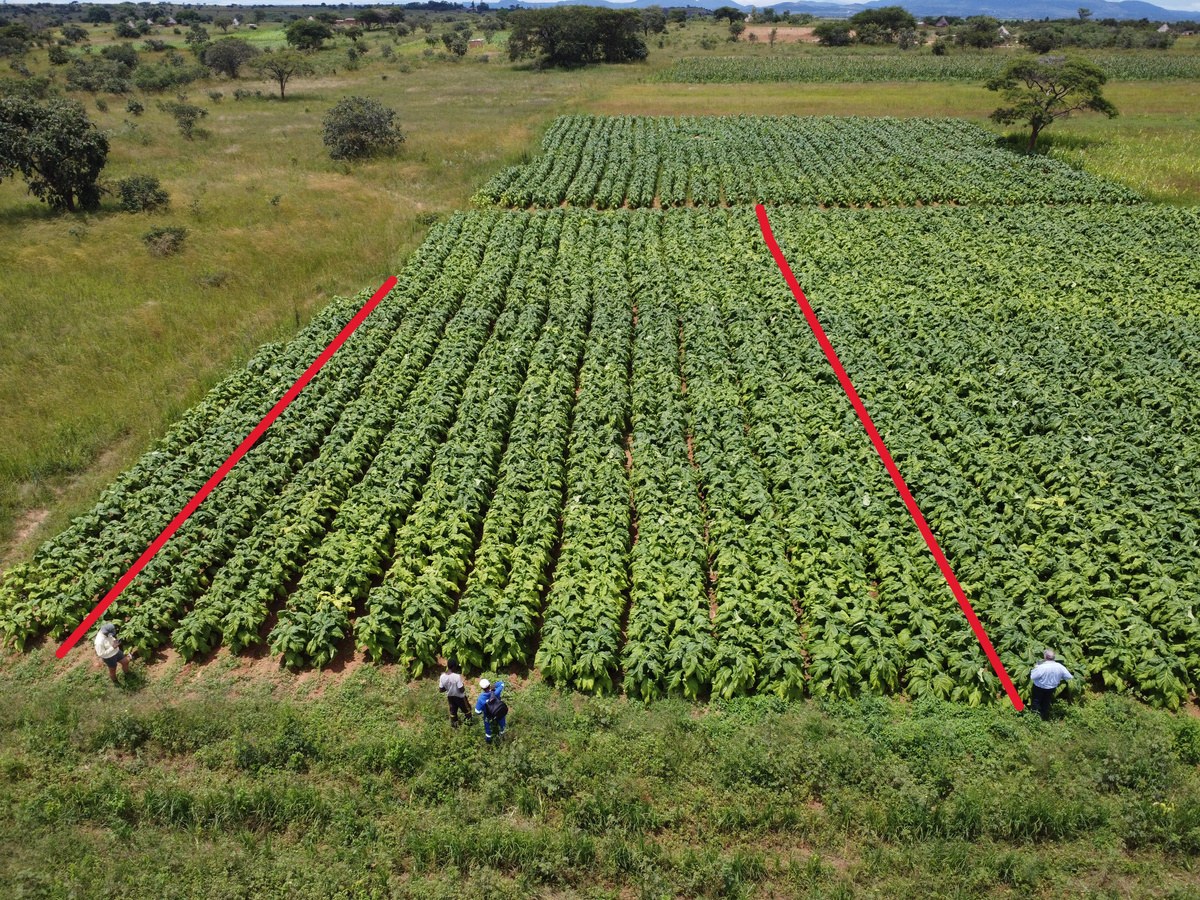
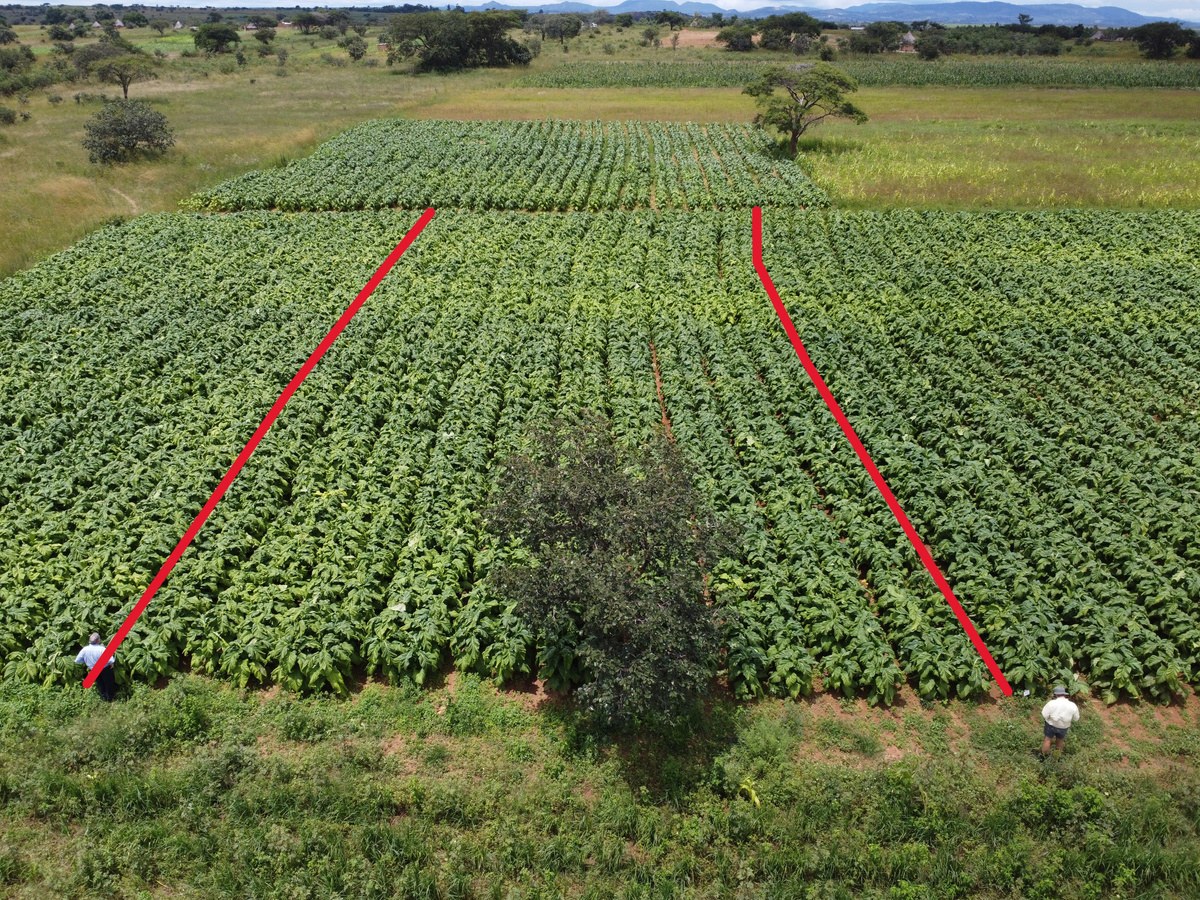
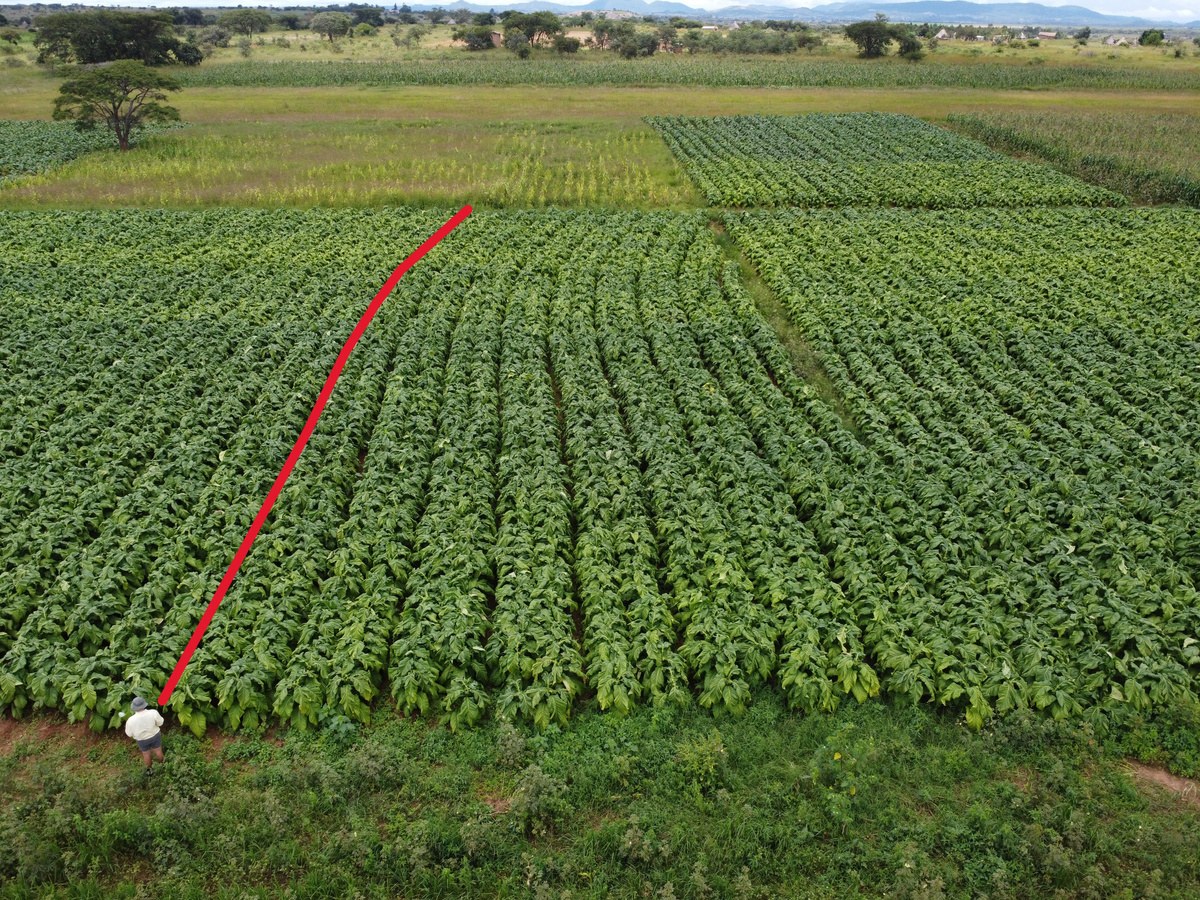
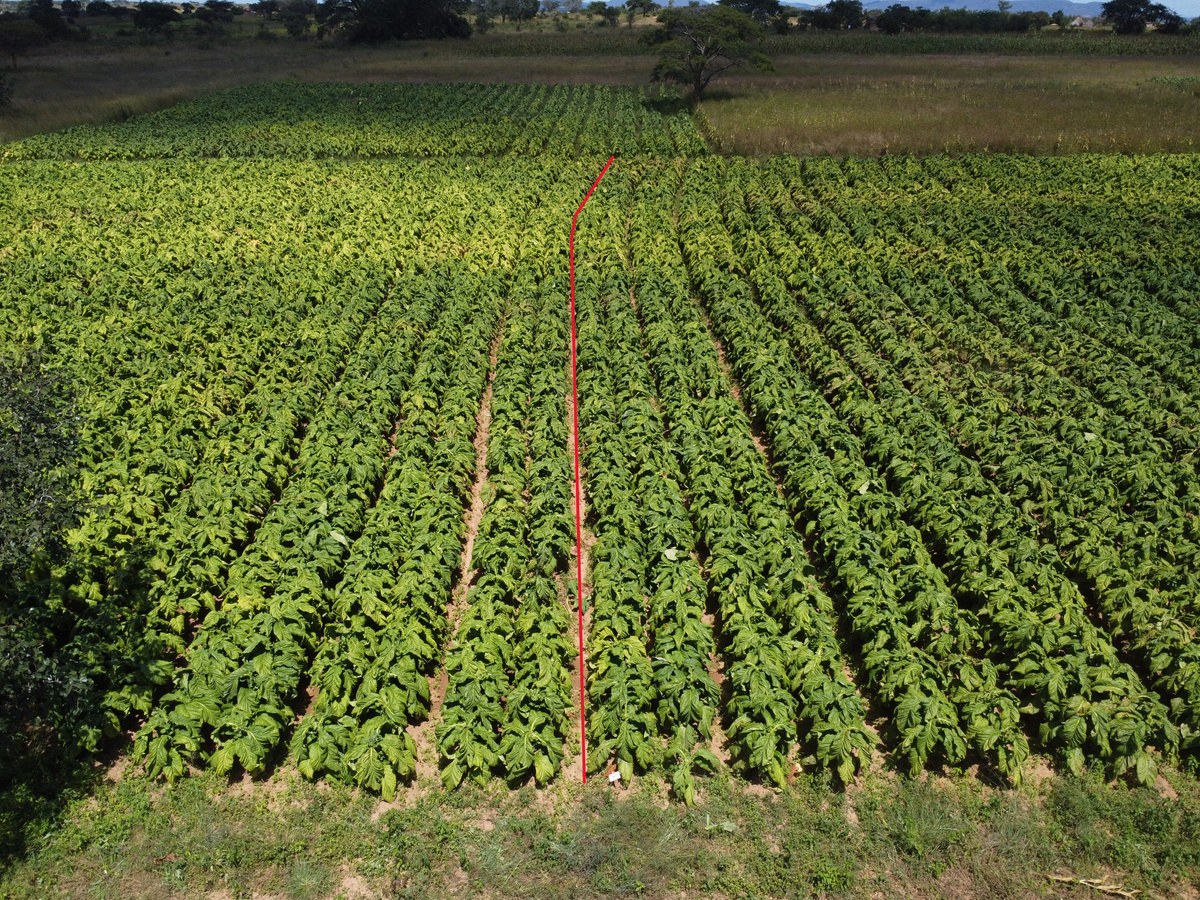
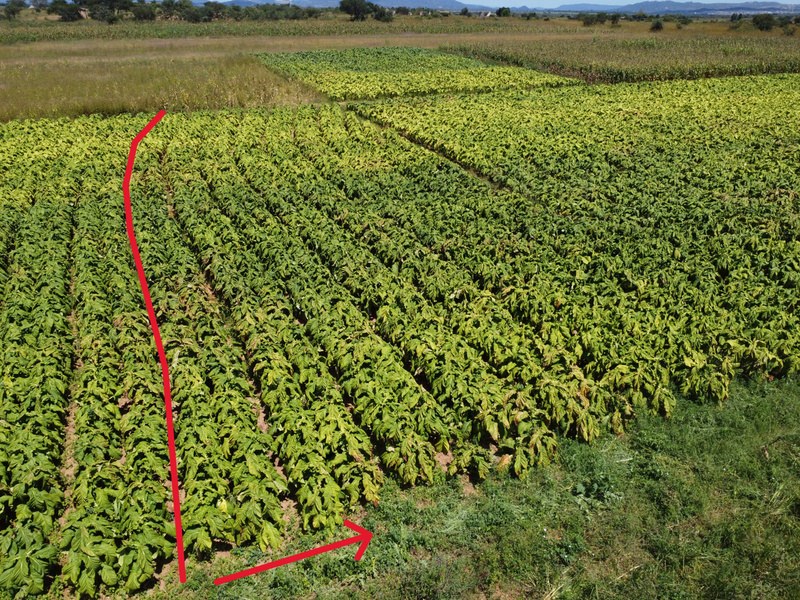
Kynohumate at season end
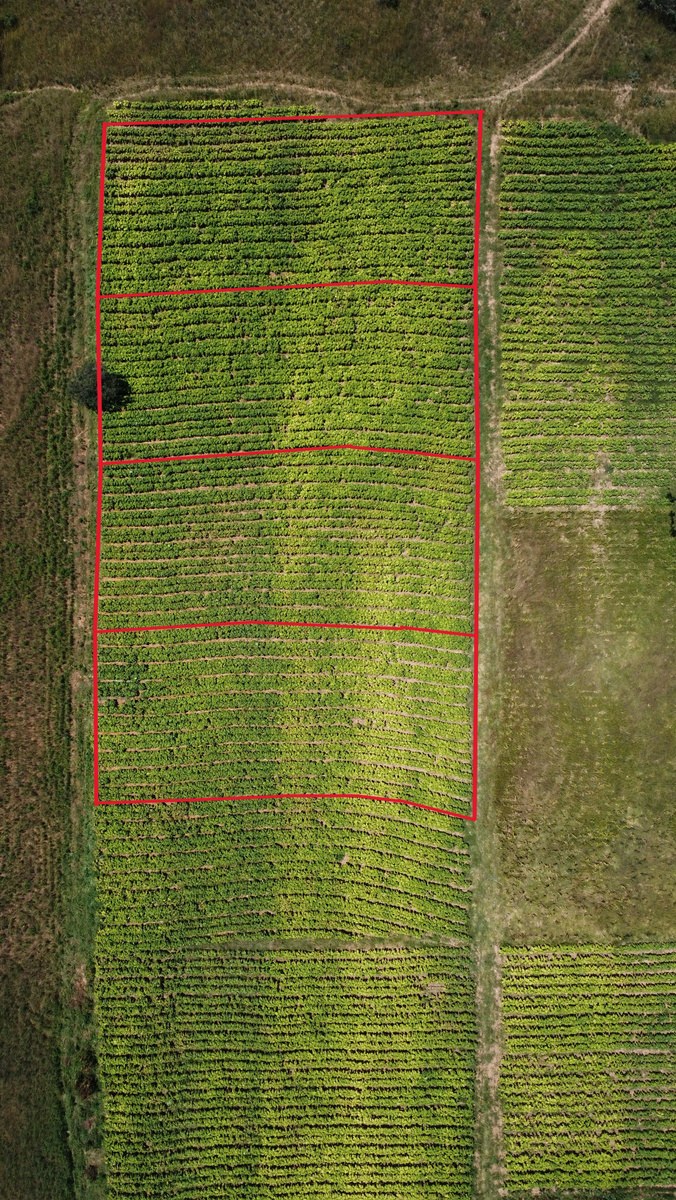
The sections that received the Kynohumate treatment (left of the red line) have filled out more, as well as turning, holding and ripening more evenly. The signs of drought resistance and early root development are now showing in bigger, healthier leaves.
25 March 2025
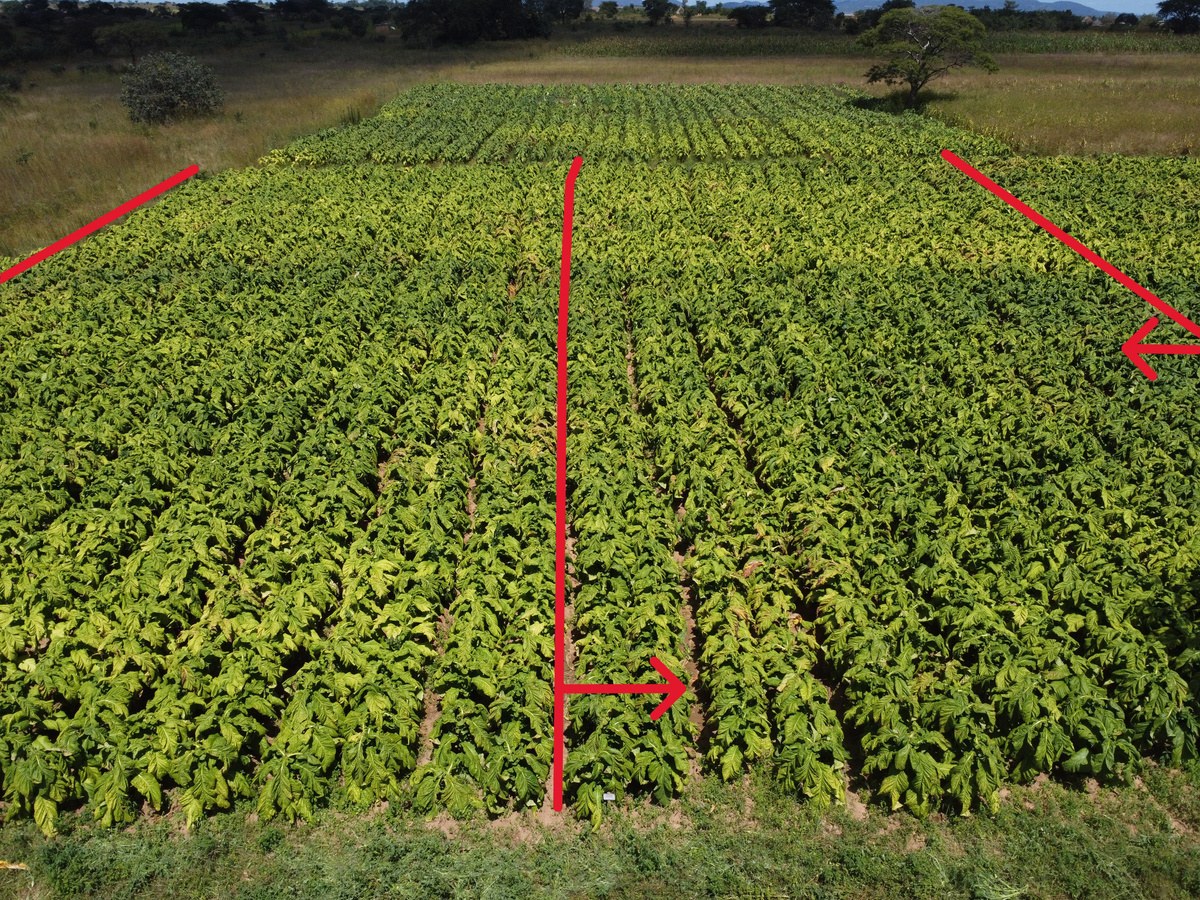
Angular leaf spot — Kasugamycin vs Azoxy Duo
Very low instances of fungal disease this season. The Kasugamycin plots have much less angular leaf spot than the Azoxy Duo plots — clear both in the severity of the affected areas and how frequently they appear — making Kasugamycin the better control method of the two.
25 March 2025
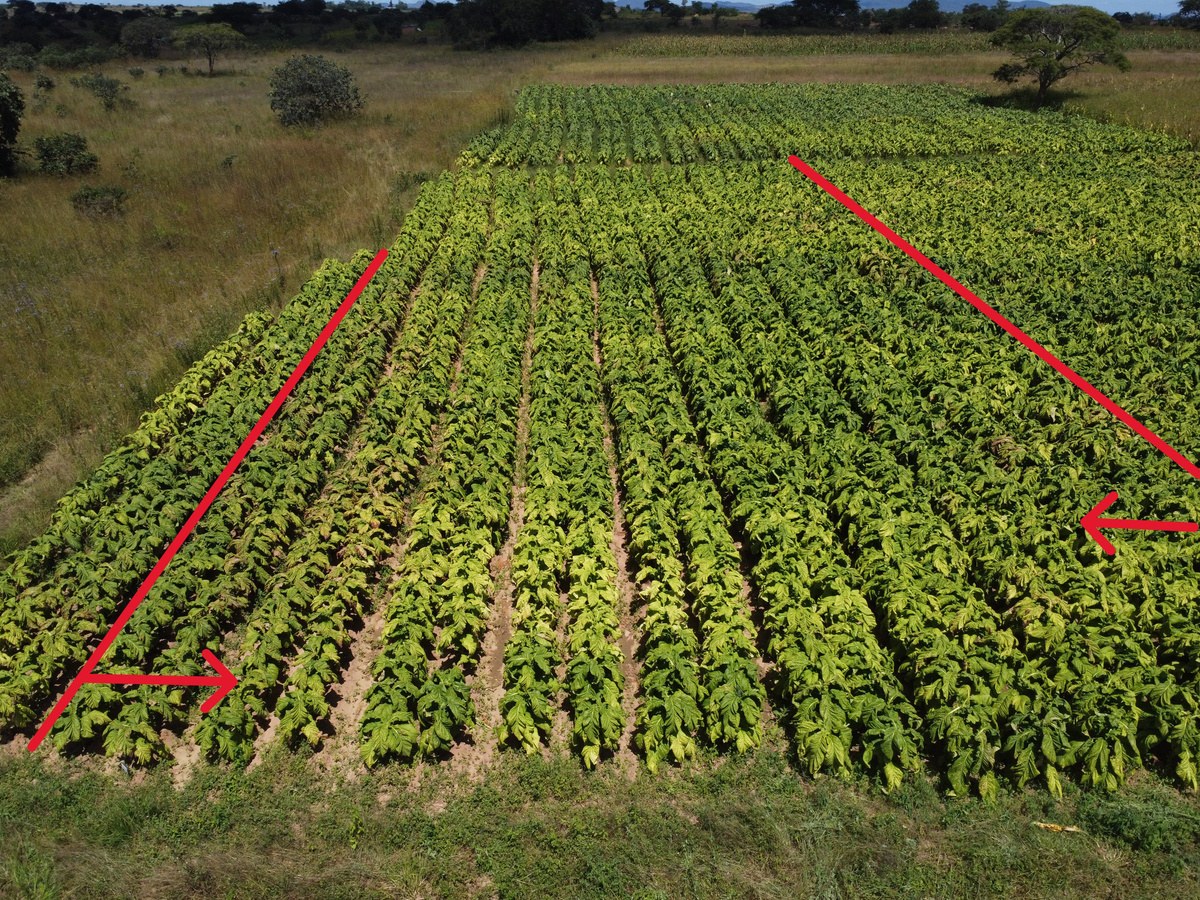
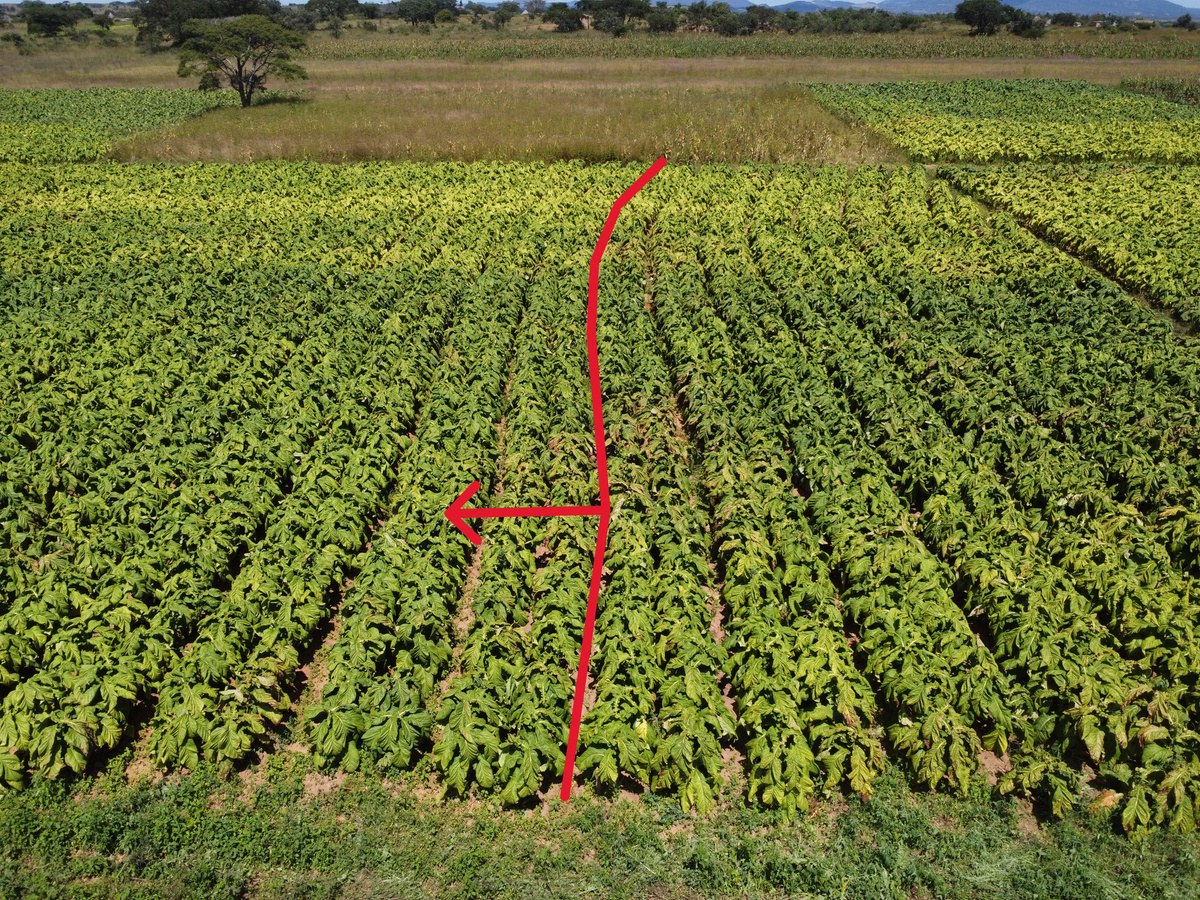
The control shows the most disease
These photos show how much more disease is visible in the control plots than in the trial plots — with the Kasugamycin plots having the least disease of all. A further note: the suckericide did a fantastic job across the whole farm, with a well-fertilised crop and little to no suckers found. Flumetralin Duo has proven an effective suckericide when used correctly.
Conclusions
Plesiva Star
270 g/ha at planting
Some of the most exciting results — the farmer and leaf tech are most interested in having this product in their pack every year. This farmer didn’t have to spray an insecticide on his Plesiva Star plots through the whole of the growing period, right up to topping. Although a few budworms were scouted after 6 weeks, the number was never over the economic threshold — while the farmer sprayed his control plots once before 6 weeks and again before topping.
Kasugamycin
1.2 L/ha at 6 and 9 weeks
This product really showcased its power in an angular season in the east of Zimbabwe. Comparing the Kasugamycin plot with the neighbouring control, the instances and severity of angular leaf spot were much worse and far more prevalent in the control plot.
Azoxy Duo
0.5 L/ha at 6 and 9 weeks
It was hard to see an effect from Azoxy Duo, as there was little to no instance of fungal disease in either the control or trial plots on this farm.
Kynohumate
5 L/ha at planting
The Kynohumate helped the crop through the drought from planting to mid December, and resulted in a full, healthier crop come harvest time. The leaf tech was very excited by how the crop held.
Key Finding
The Plesiva Star plots needed no insecticide at all from planting right through to topping — while the control was sprayed repeatedly and still carried over twenty budworm — and in an angular season the Kasugamycin plots came through with the least disease of all.