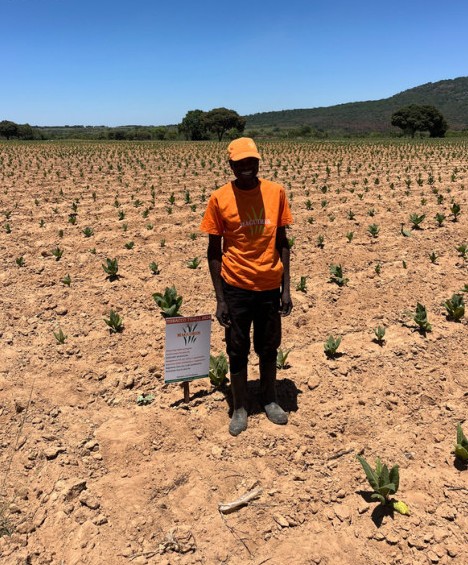
Trial at a Glance
- Grower
- Wilson Cherere · Premium Grower 2
- Area
- Macheke
- Planted
- 6 November 2024
- Trial Plots
- 4 treatment plots + control
Trial Overview
The Premium Leaf Zimbabwe Growers Packs were used throughout this farmer’s fields. In trial plots 1–4 the primary insecticide, Imidacloprid, was substituted with Plesiva Star — with additions of Kynohumate, Azoxy Duo and Kasugamycin in their relevant plots.
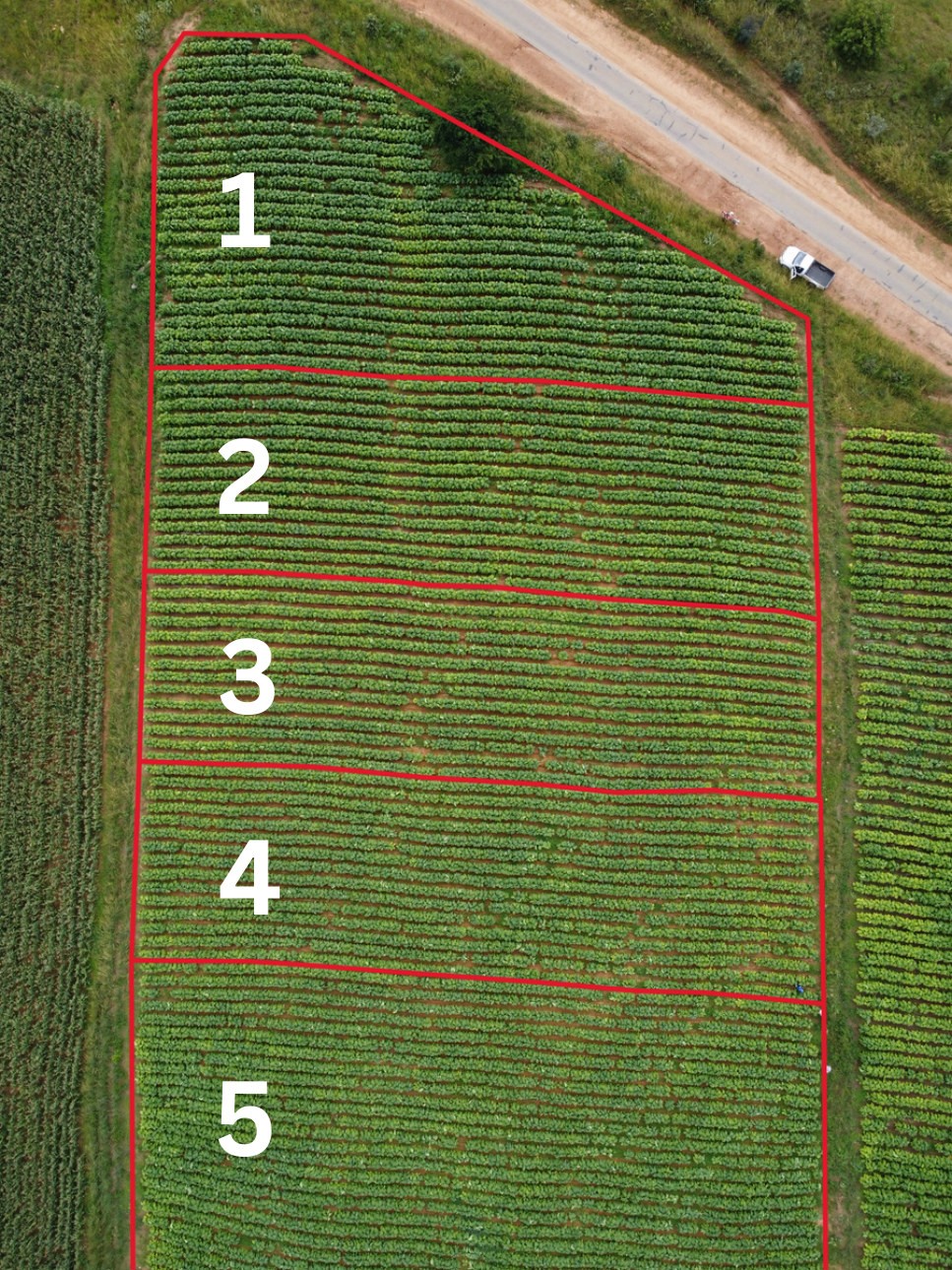
- Plot 1 — Plesiva Star (270 g/ha) + Kynohumate (5 L/ha) + Azoxy Duo (500 mL/ha ×2)
- Plot 2 — Plesiva Star (270 g/ha) + Kynohumate (5 L/ha) + Kasugamycin (1.2 L/ha ×2)
- Plot 3 — Plesiva Star (270 g/ha) + Azoxy Duo (500 mL/ha ×2)
- Plot 4 — Plesiva Star (270 g/ha) + Kasugamycin (1.2 L/ha ×2)
- Plot 5 — Imidacloprid (1 L/ha) control; all surrounding areas had the standard Premium set of treatments
The Season, Step by Step
The plots were inspected and photographed from planting in November 2024 through to the final reaping in late March 2025.
12 November 2024
Planting inspection
The first rainfall fell on 6 November — the same day the crop was planted — with the Plesiva Star application following on 7 November.
12 December 2024
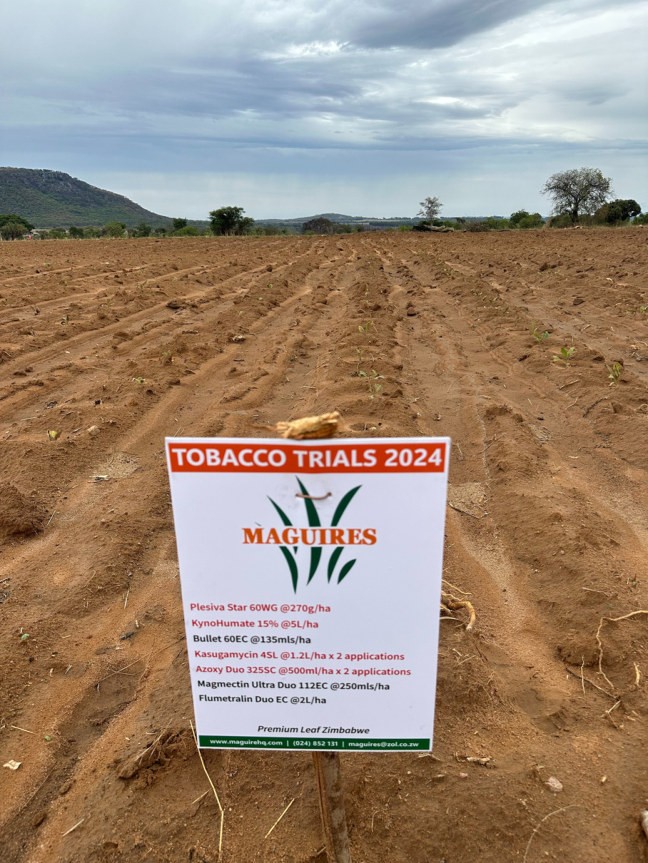
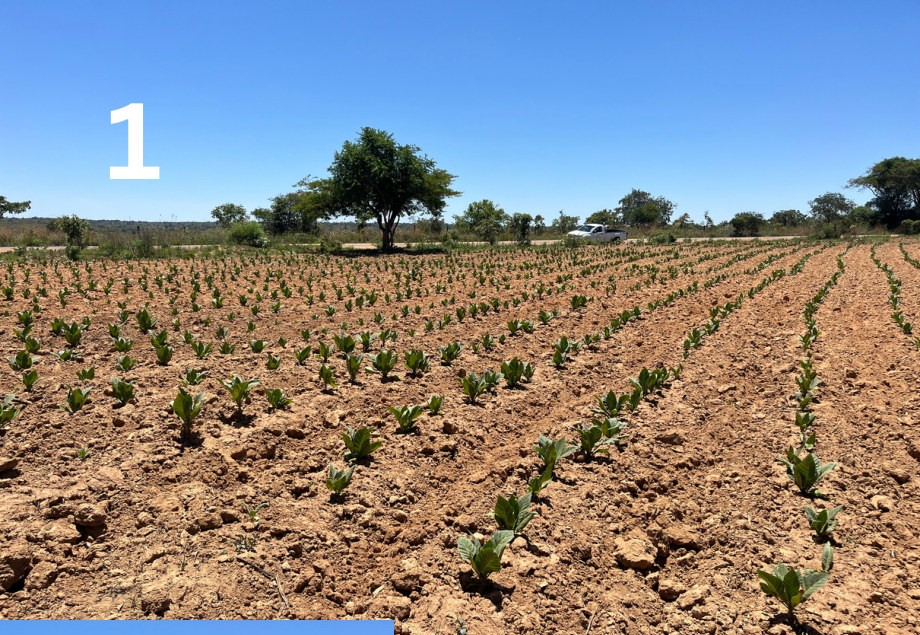
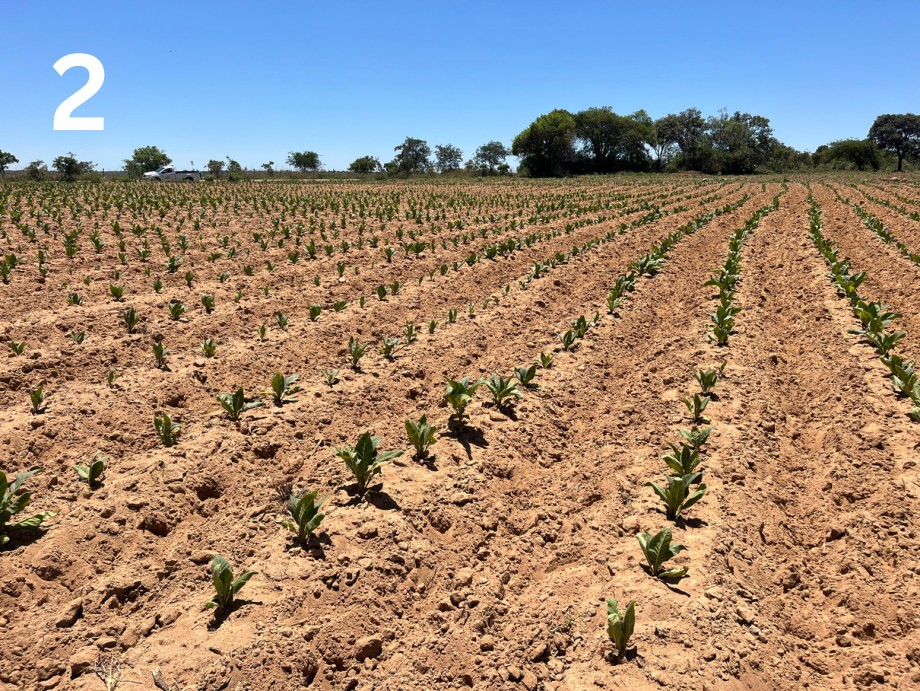
Azoxy Duo plots
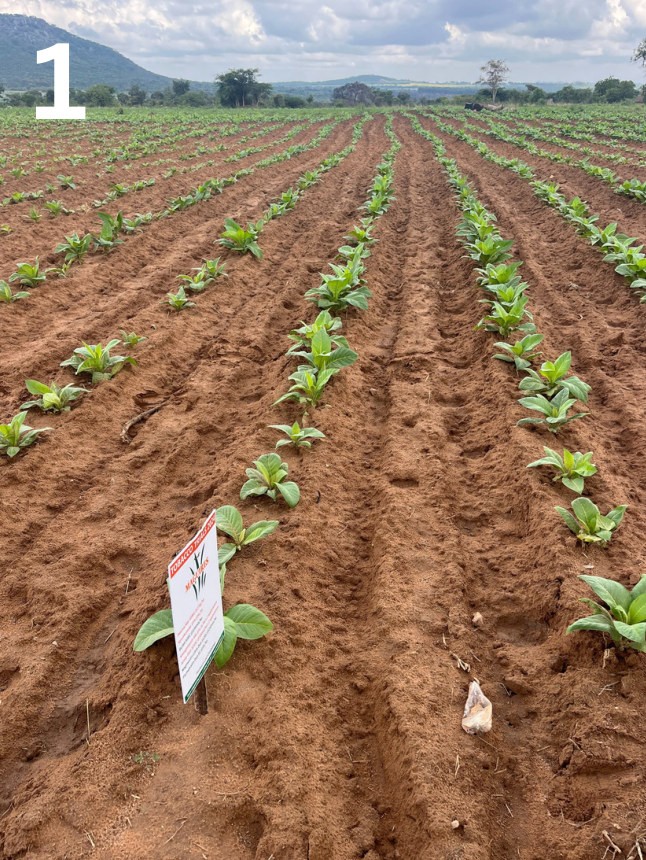
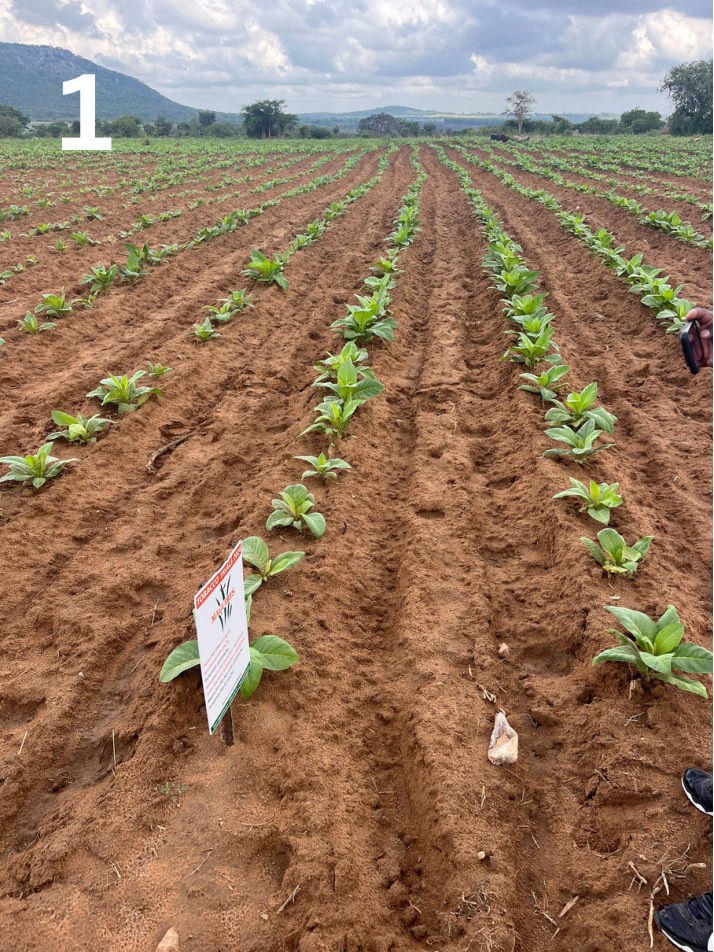
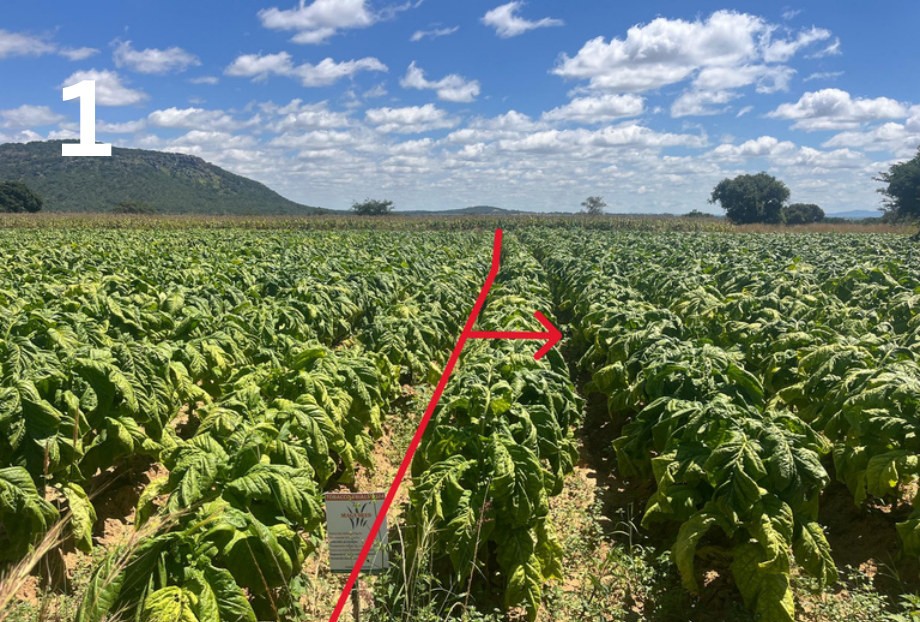
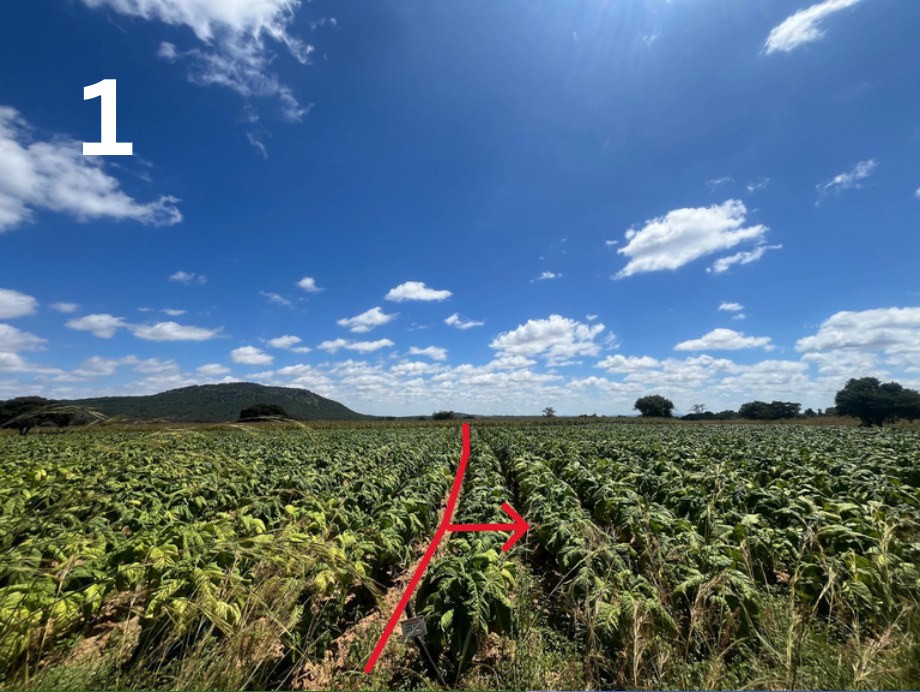
A field inspection was done on 12 December — up to now no budworm or aphids have been scouted in any of the four Plesiva Star plots. The farmer has experienced no rainfall since planting, and the plots without Kynohumate are looking very stressed with some plant deaths noted. Image 1: Plesiva Star, Kynohumate and Azoxy Duo (right of peg). Image 2: Plesiva Star and Azoxy Duo (right of peg).
12 December 2024
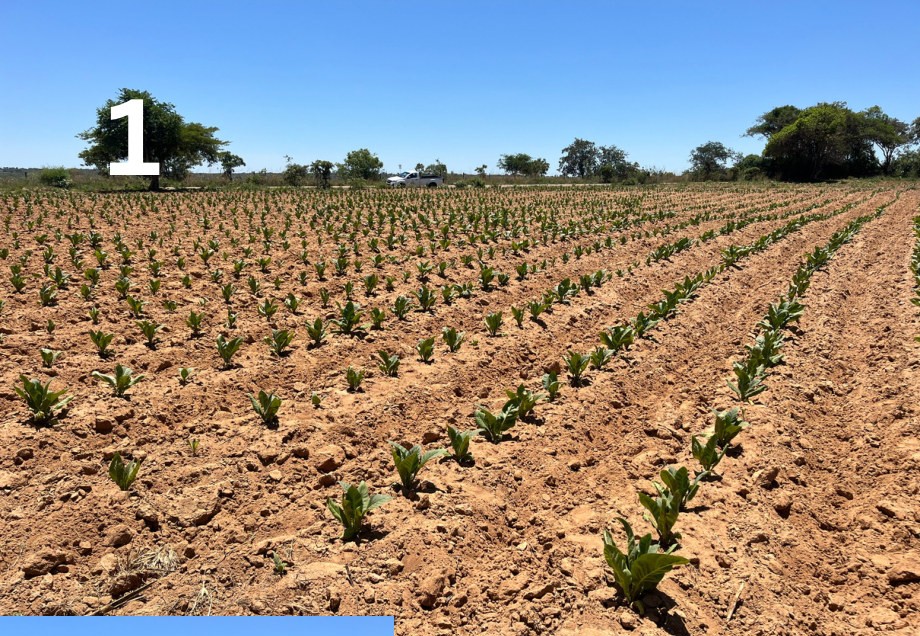
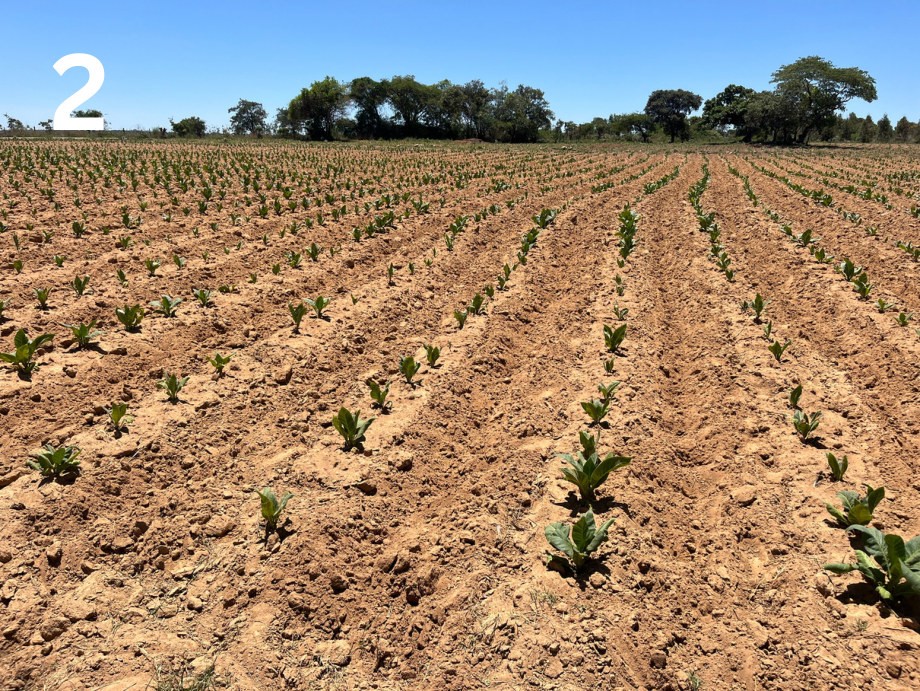
Kasugamycin plots
Image 1: Plesiva Star, Kynohumate and Kasugamycin. Image 2: Plesiva Star and Kasugamycin.
12 December 2024
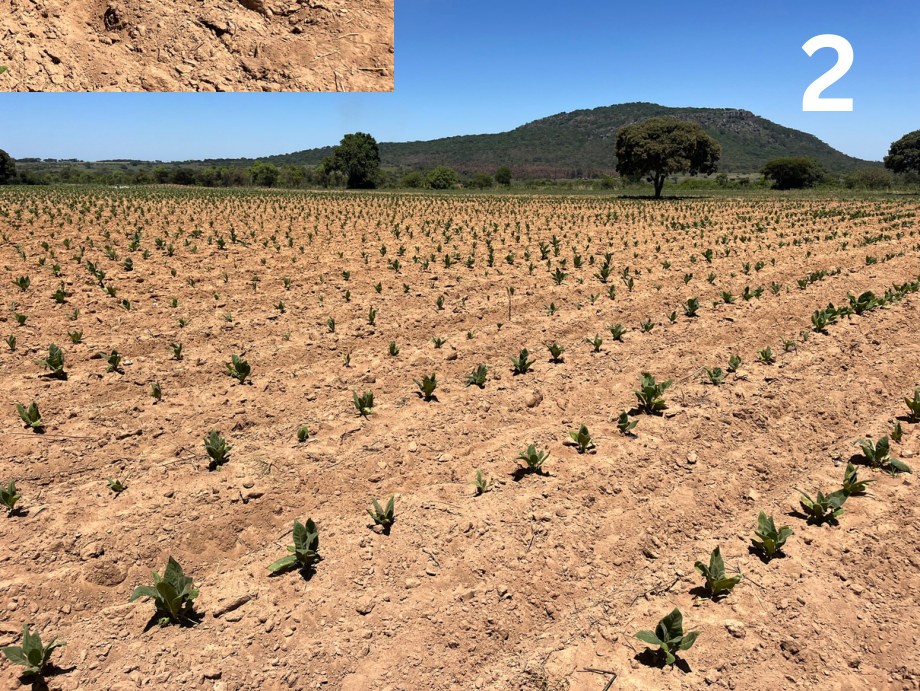
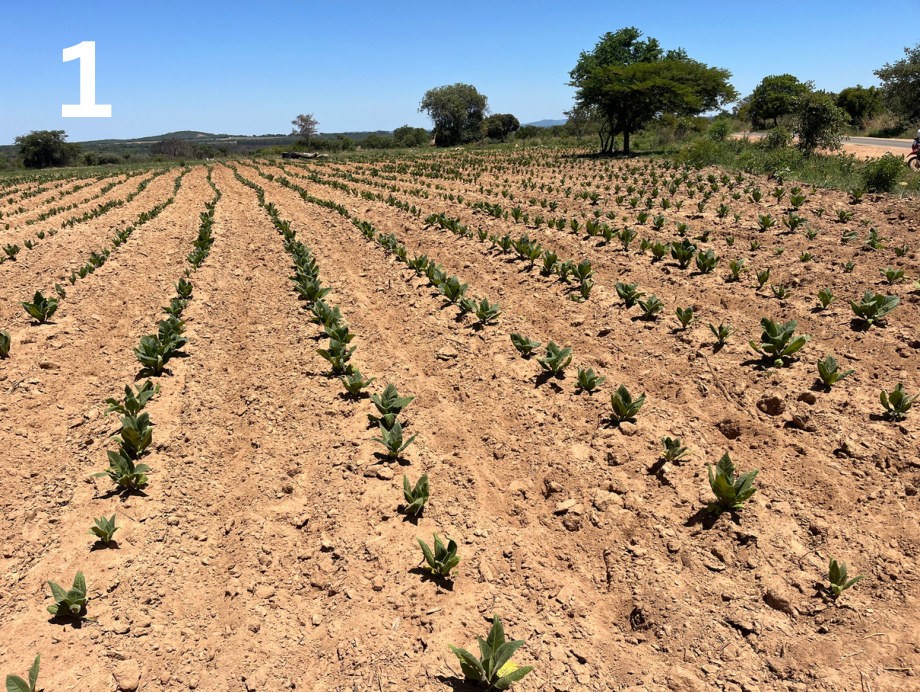
Kynohumate vs control
The control plots are showing signs of the drought, and the first budworm have been scouted here — though below the economic threshold, and the farmer has picked them by hand. Comparing the health of the plants between the two images, it is clear to see the effect the Kynohumate is having on the growth and vigour of the tobacco plant — much better than the control.
18 December 2024
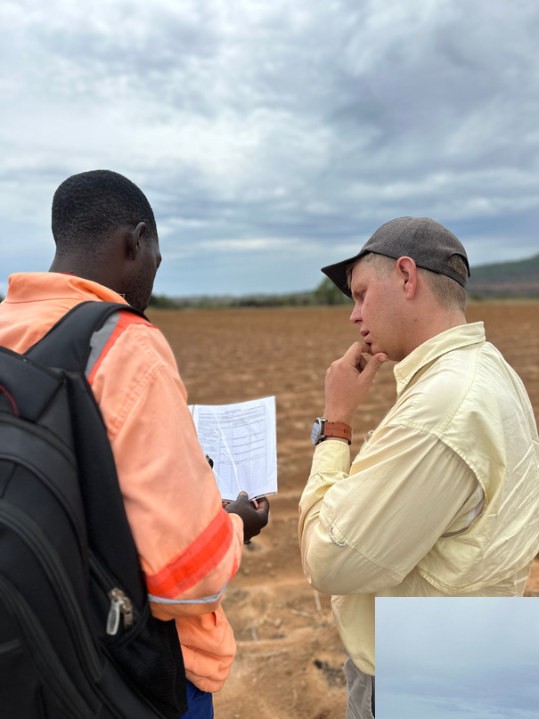
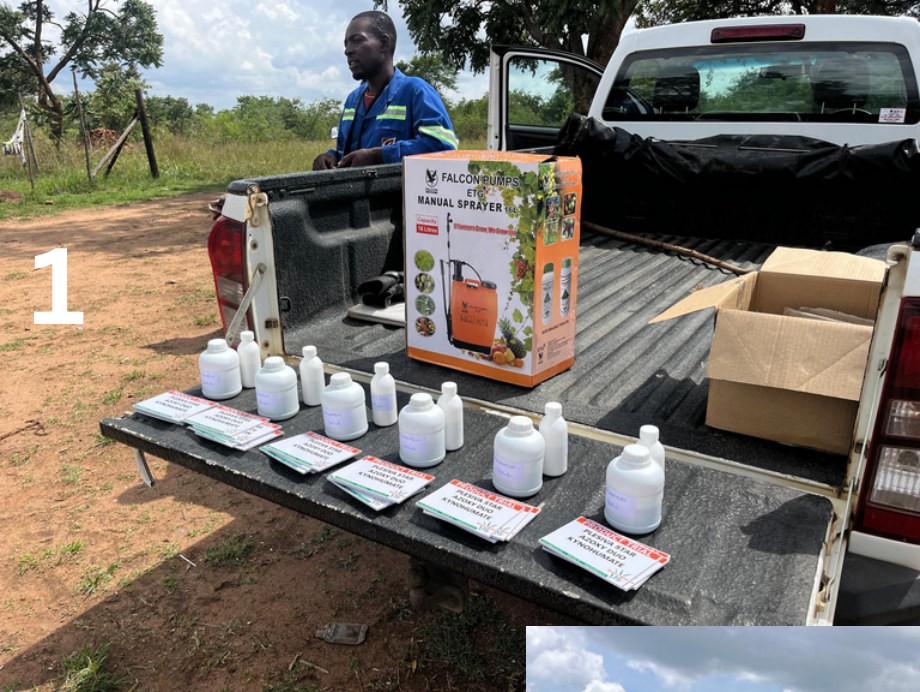
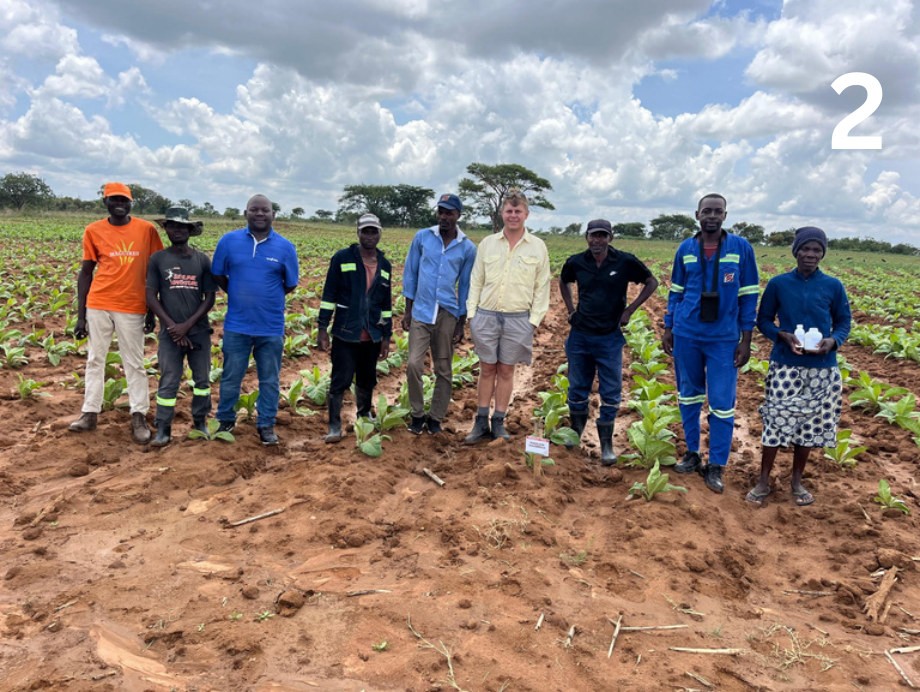
Knapsack training
Everyone received a knapsack to ensure correct application of their Kasugamycin and Azoxy Duo, as well as signs to mark where these were applied. The first sprays went on the next day, 19 December (6 weeks from planting) — the first application was held off due to the lack of rainfall, for fear of causing unnecessary phyto damage to the tobacco.
18 December 2024
Kynohumate holds through the dry weeks
Kynohumate has shown its strength in supporting growth and vigour through the dry weeks leading up to the rain received yesterday. The crop to the right of the peg, where Kynohumate was applied, is even and has fewer plant deaths than the other portions of this farmer’s field.
10 January 2025
Second sprays at 9 weeks
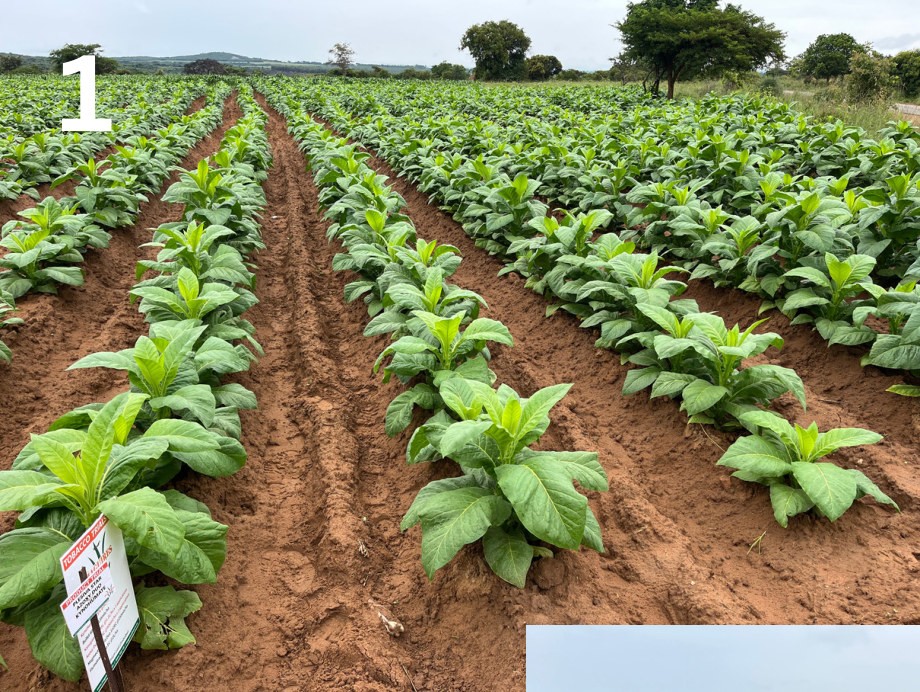
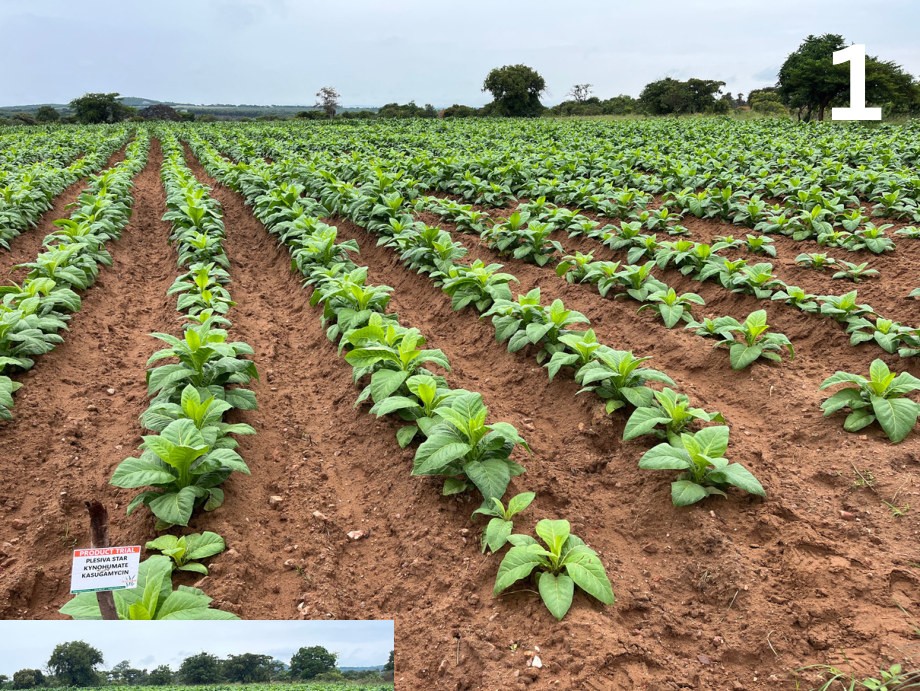
The second sprays of Azoxy Duo and Kasugamycin were applied on 10 January (9 weeks from planting). There are no signs of disease in the plots, though weather fleck spots are visible in some areas — the farmer was cautioned about spraying in the heat of the day. The differences between the two Azoxy Duo plots are clear: the Kynohumate plot is much more balanced and filled out, and to the eye the Kasugamycin plots show better health and vigour than the others — far superior to the control.
10 January 2025
Topping stage — no insecticide needed
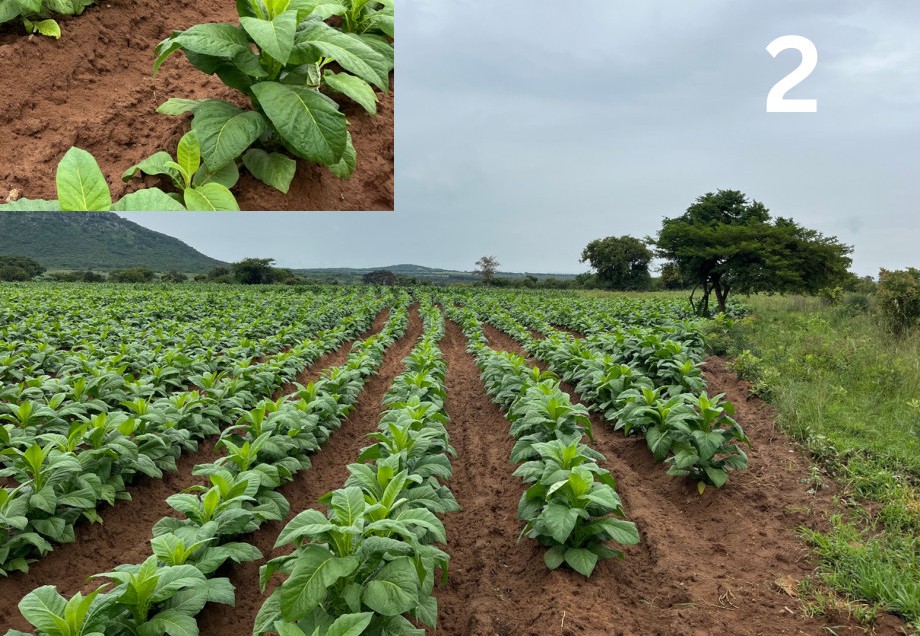
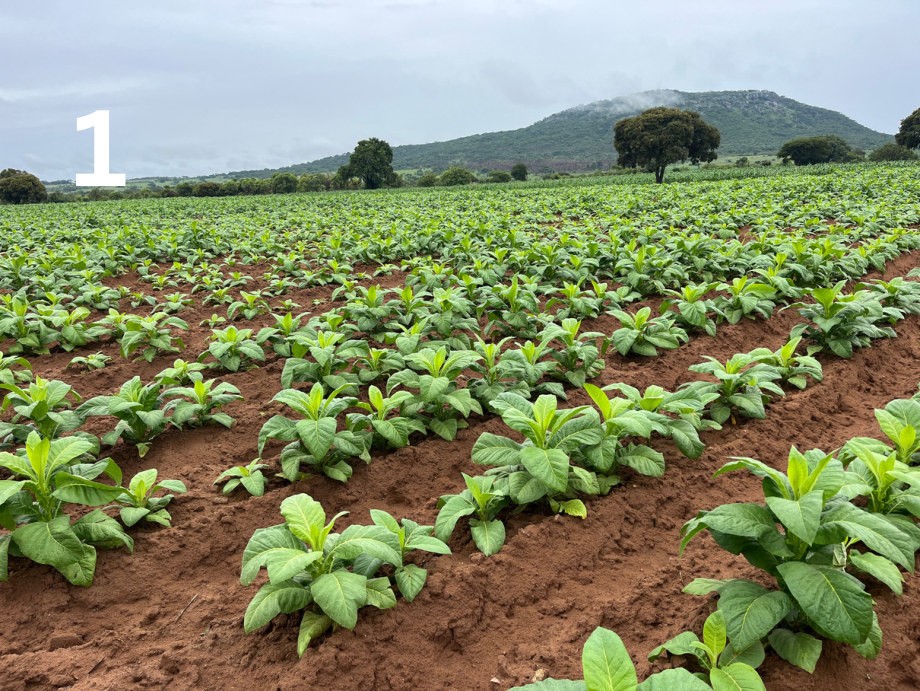
The Plesiva Star trial has been a huge success. The tobacco has reached topping stage with an average leaf count of 18–22, and no insecticide has been needed on the Plesiva Star plots — while the farmer has sprayed two insecticide applications to control budworm in his other fields. The Kynohumate plots are much more advanced and even, with fewer plant deaths.
10 January 2025
The anomaly that proved the point
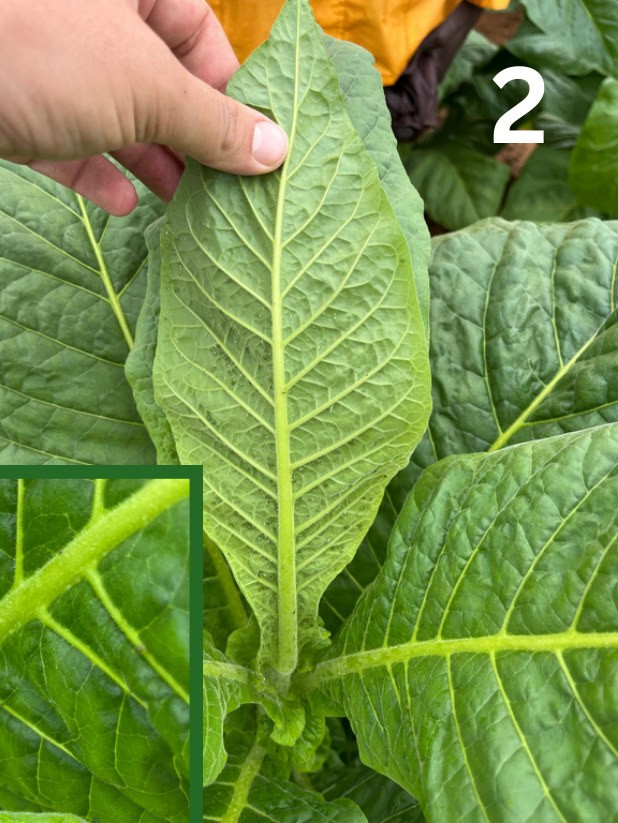
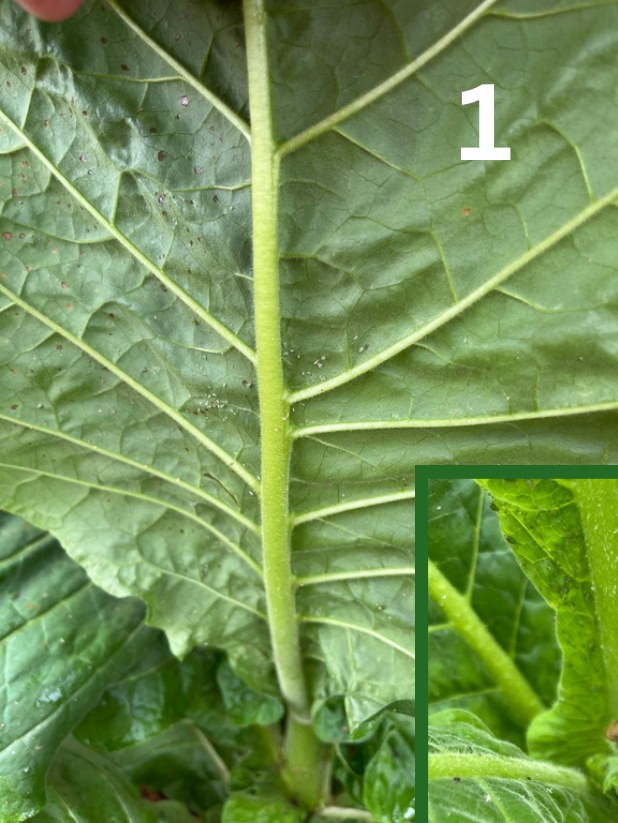
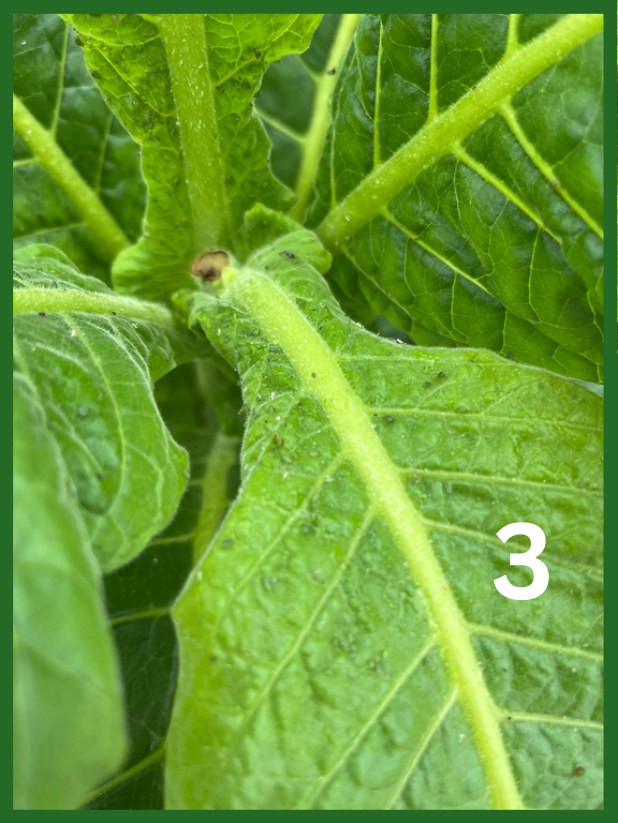
An anomaly was discovered showing the success of Plesiva Star: at the end of one of the tobacco lines, a single plant was found with a high incursion of aphids. This planting-hole application was likely missed — meaning no Plesiva Star was applied — as none of the surrounding plants have any occurrence of aphids, in either the Plesiva Star or Imidacloprid plots.
26 February 2025
Fullness and colour
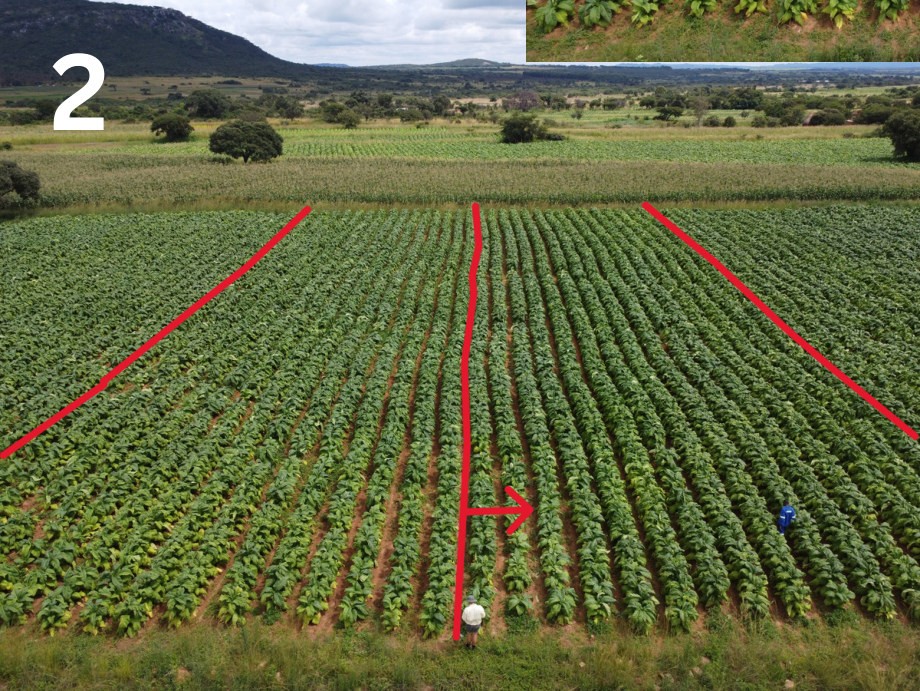
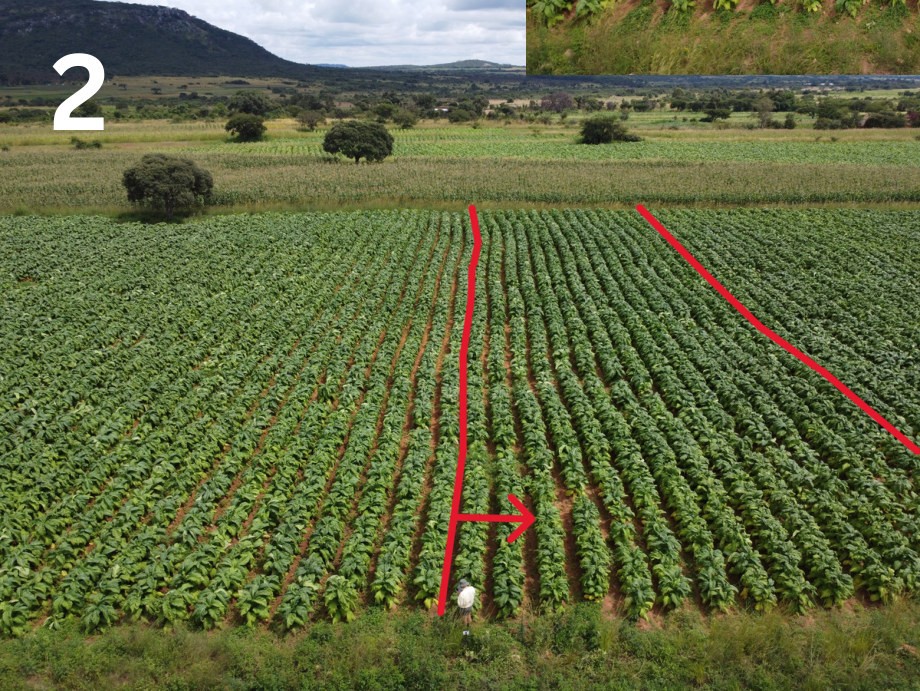
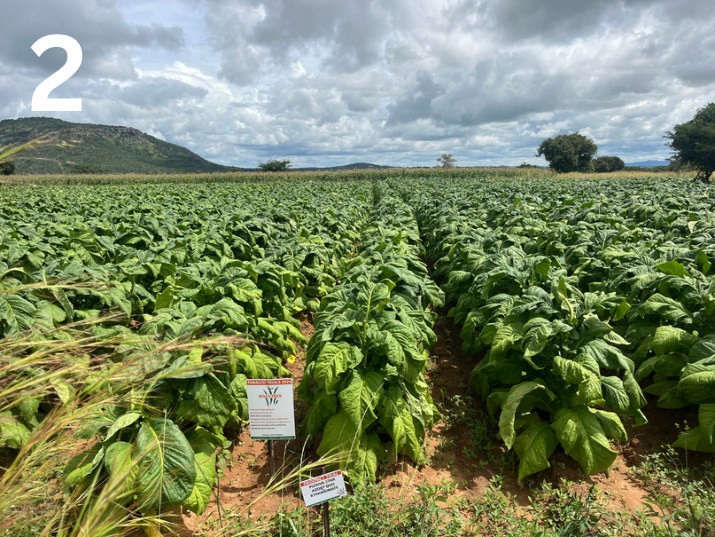
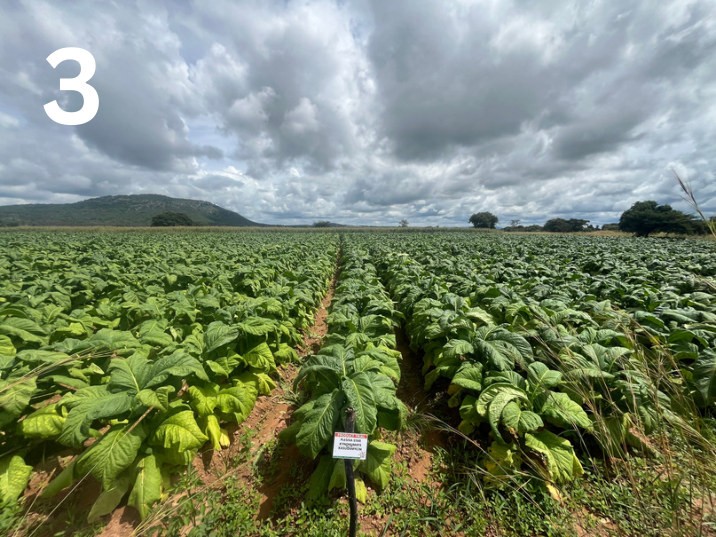
The biggest difference between the plots with and without Kynohumate is the fullness of the crop — bigger, more even in colour, and turning for reaping at a more similar stage. In the weaker part of the field the rows have actually closed in the Kynohumate plot. Of all the plots, the Kasugamycin plots appear best to the eye in colour and even growth, especially paired with Kynohumate. No fungal disease was found.
26 February 2025
Comparing ripening
The most obvious difference between the plots without Kynohumate and those with it is the ripening speed — immediately left of the Kynohumate plots the bottom leaves are significantly riper, while in the Kynohumate plots the colour of the bottom leaves is holding.
25 March 2025
End of season
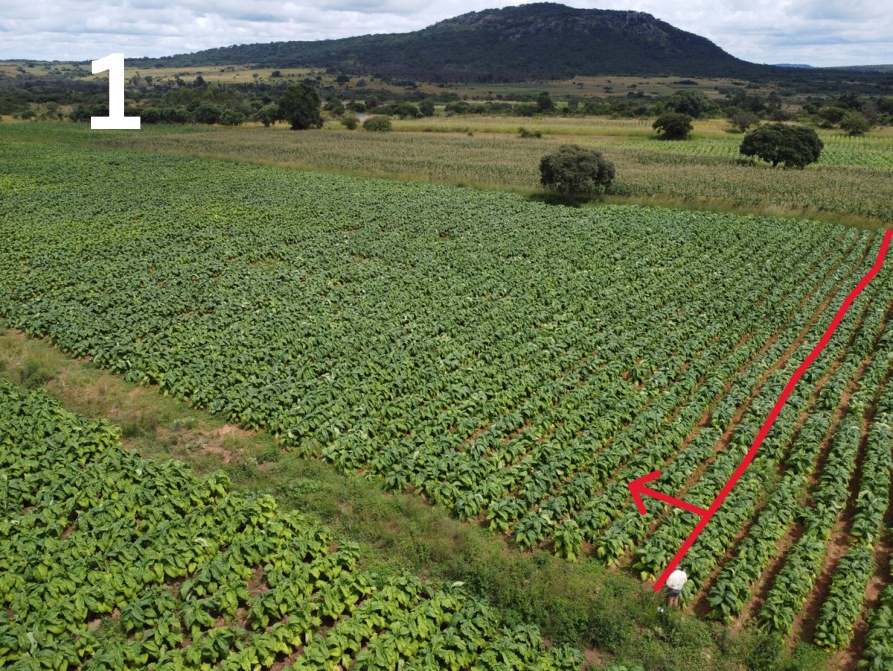
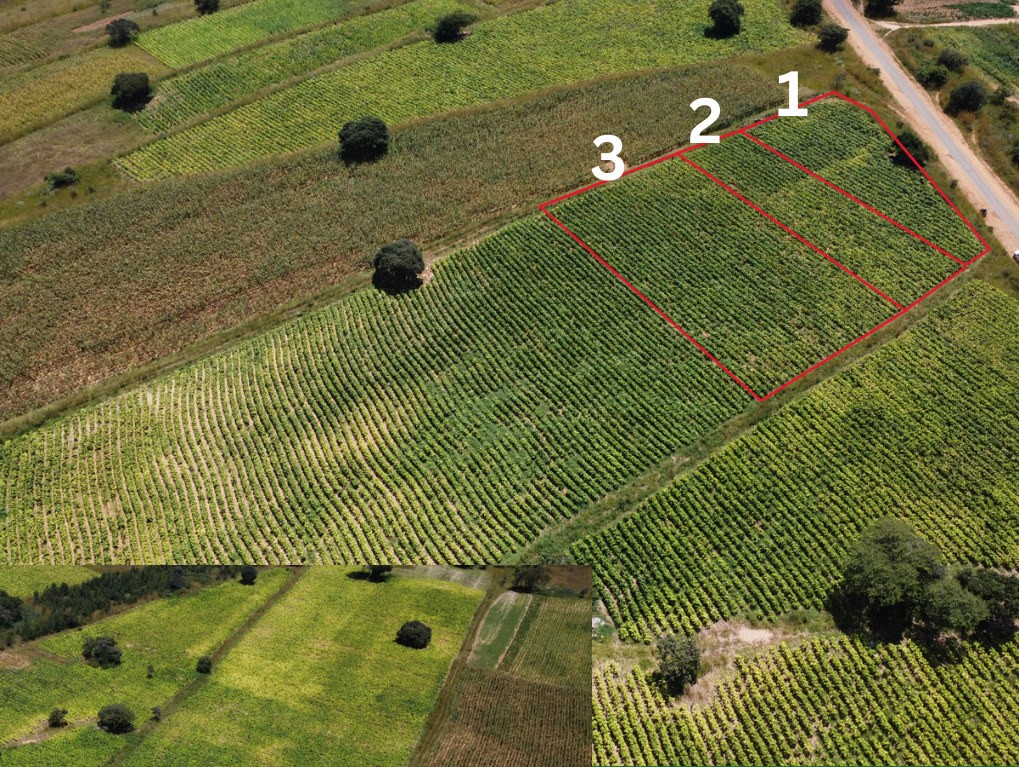
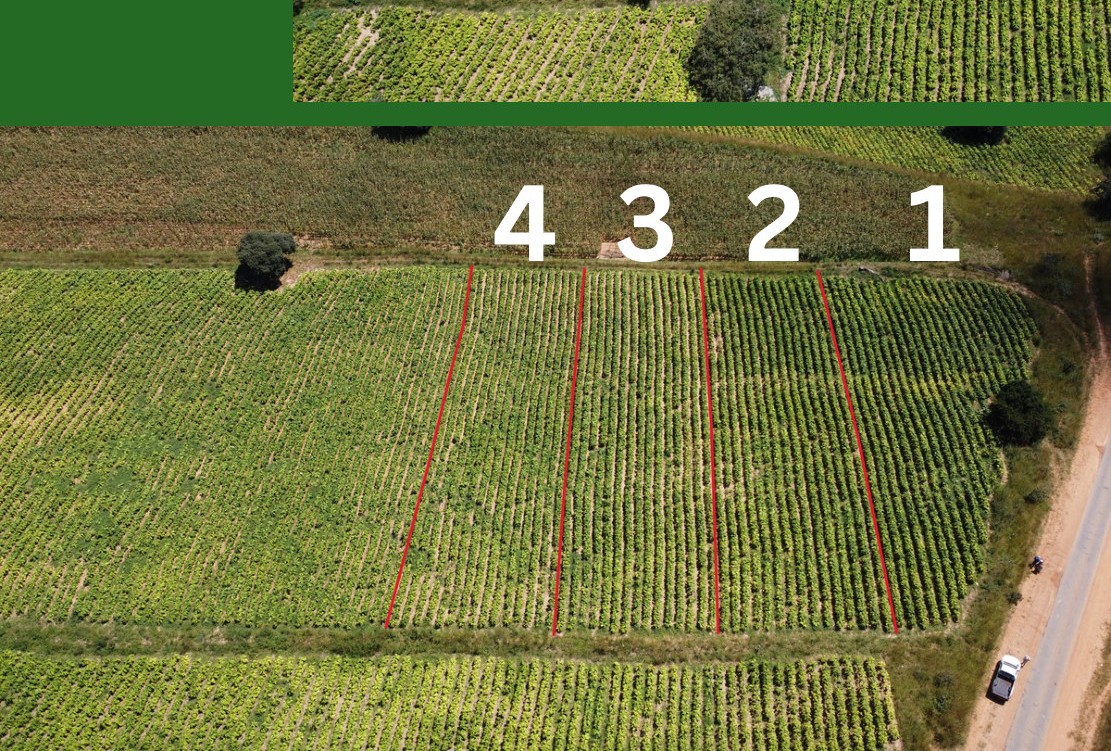
There is generally one or two extra leaves left to reap on the Kynohumate plot plants, and on closer inspection the leaves feel thicker. Very low instances of disease on this farm this season, both fungal and bacterial — the Kasugamycin plots have less disease than the Azoxy and control plots, with a healthier look, better colour, and leaves that feel and appear fuller.
25 March 2025
The plots before final reaping
The Azoxy Duo and Kasugamycin plots just before the final reaping.
Conclusions
Plesiva Star
270 g/ha at planting
Some of the most exciting results — the farmer and leaf tech are most interested in having this product in their pack every year. This farmer didn’t have to spray an insecticide on his Plesiva Star plots through the whole of the growing period, right up to topping. Although a few budworms were scouted after 6 weeks, the number was never over the economic threshold — while the farmer sprayed his control plots once before 6 weeks and again before topping.
Kynohumate
5 L/ha at planting
The Kynohumate crop held for longer, having more leaves to reap at the end. It helped the crop through the drought from planting to mid December, and resulted in a full, healthier crop come harvest time. The leaf tech was very excited by how the crop held.
Kasugamycin
1.2 L/ha at 6 and 9 weeks
This product had the least instances of disease across all this farmer’s plots and fields. Although this farmer didn’t struggle with disease this season, the difference in the presence of disease between the plots was noted.
Azoxy Duo
0.5 L/ha at 6 and 9 weeks
It was hard to see an effect from Azoxy Duo, as there was little to no instance of fungal disease in either the control or trial plots on this farm.
Key Finding
The Plesiva Star plots needed no insecticide at all from planting right up to topping — while the control plots were sprayed twice — and the single aphid-hit plant found was one whose planting-hole application had likely been missed.